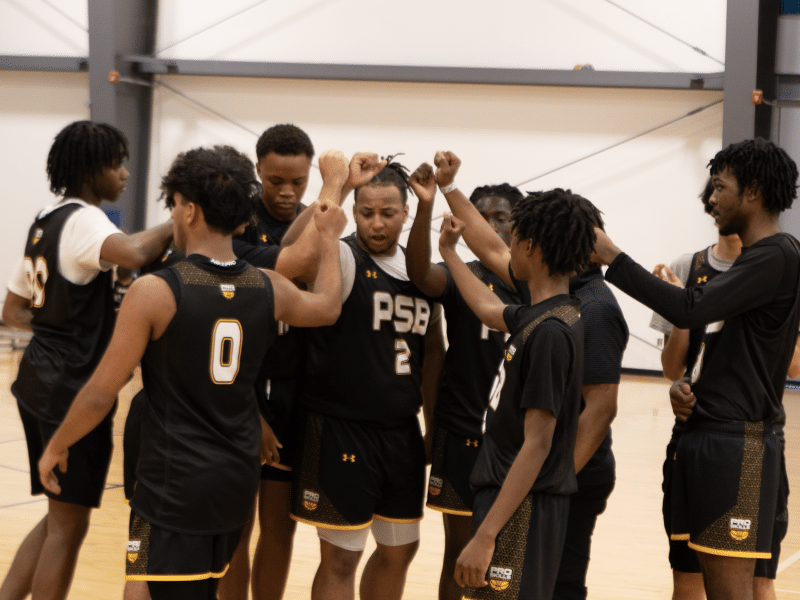
Positionless basketball teaches every young player the full set of skills (shooting, ball-handling, passing, and defending multiple opponents) instead of locking them into one role. The result is a more adaptable athlete with more ways to help a team. With children now playing an average of just 1.63 sports, that broad skill base matters more than ever (Aspen Project Play, 2024).
Last updated: June 2026
Key Takeaways
- Positionless basketball trains every player to shoot, handle, pass, and defend rather than fit one fixed slot.
- Versatile players earn more playing time because coaches can use them anywhere in a lineup.
- Defending several types of opponents sharpens footwork, awareness, and toughness.
- The approach fits youth schedules, where teams often practice only one or two times a week.
- A defined role still has value at younger ages; the goal is a wide base first, specialization later.
Basketball at the highest levels looks different than it did fifteen years ago. Guards post up, big players bring the ball up the floor, and the best defenders switch onto anyone. Coaches call this approach positionless basketball, and the same ideas that shape the NBA and college game can help a young player grow.
At Pro Skills Basketball, we build our club teams and player development around teaching complete skills rather than assigning a number from one to five. Below are three reasons that approach works for young athletes, along with an honest look at where a defined role still helps.
What is positionless basketball?
Positionless basketball means coaching every player to do the things the game asks of everyone: shoot from different spots, handle the ball under pressure, pass on time, move without it, and guard more than one type of opponent. Instead of telling a tall player to only rebound or a small player to only bring the ball up, the coach teaches the whole menu and lets the player grow into it.
This is not a gimmick borrowed from the pros. It reflects how the sport actually moves now. A player who can only do one thing is easier to scheme against at every level.
What are the benefits of positionless basketball for young players?
1. More complete, adaptable players
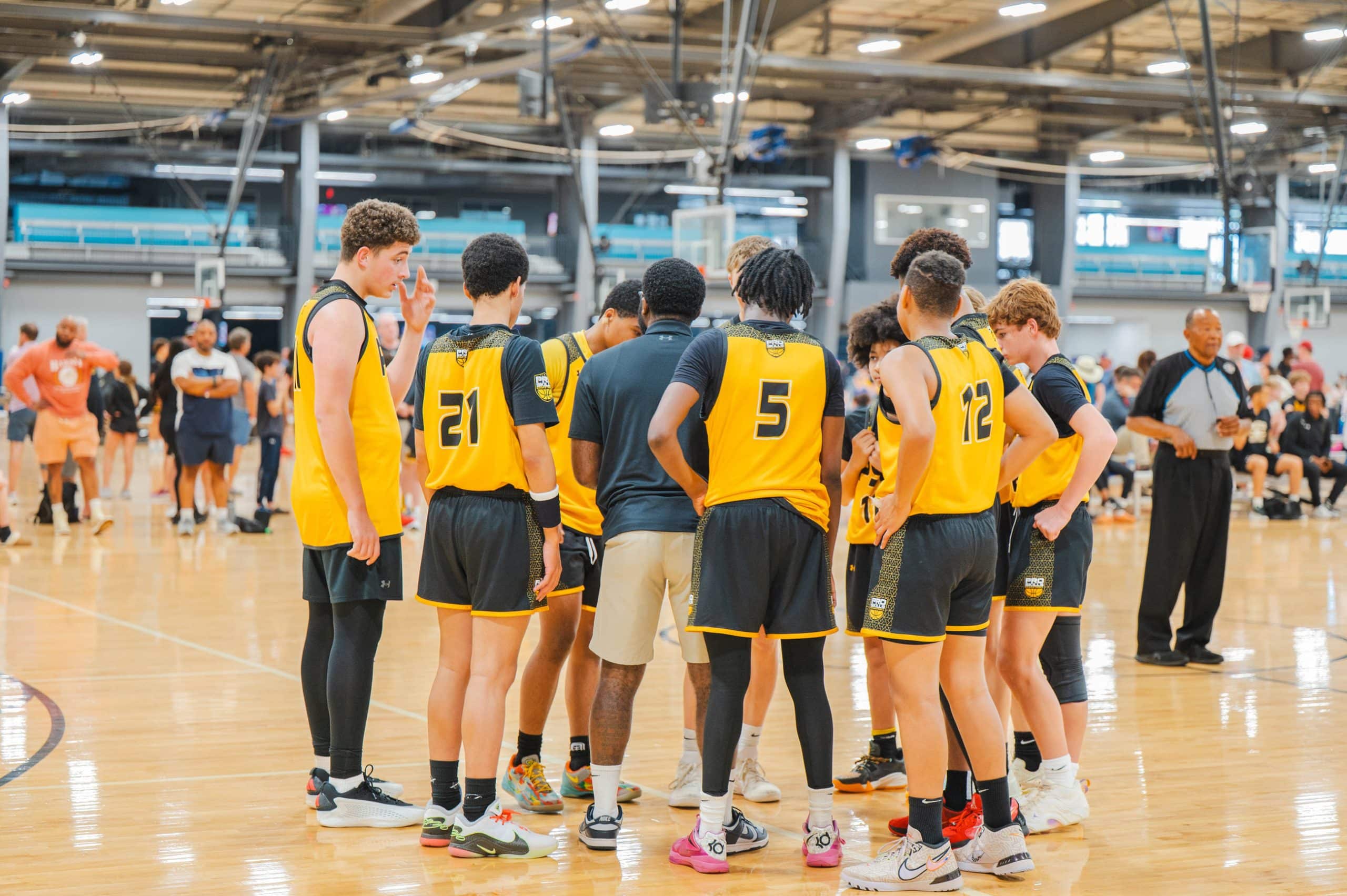
When a coach stops sorting players by position, every athlete works on the same core skills. A taller player learns to dribble in traffic. A smaller player learns to finish near the rim and guard a bigger opponent for a few possessions. Over a season, that adds up to a player who understands the whole game rather than one corner of it.
This also fits the reality of youth schedules. Many teams practice once or twice a week for a couple of hours. There is rarely time to install complicated, role-specific systems. Teaching universal skills is simpler to coach and gives each player more to work on at home. Our core skill drills and at-home shooting workouts are built for exactly that kind of broad development.
2. More playing time and more ways to help
A player who can do several things is easy to put on the floor. Consider a young athlete who can both shoot and set a screen, a guard who can rebound and defend in the post, or a forward who can bring the ball up the court. A coach can use that player in many lineups, adjust to foul trouble, and respond to matchups without sitting anyone.
For a child, that means more minutes and more chances to contribute. A player stuck in a single narrow role waits for that exact situation to come up. A versatile player is useful in almost any situation. If earning minutes is on your mind, our guide to how to get playing time pairs well with this approach.
3. Stronger, more versatile defense
Defense is where positionless basketball asks the most. Players learn to guard a quick guard one possession and a stronger post player the next. That kind of work builds footwork, awareness, and the willingness to compete on every possession. It also matches how the modern game judges defenders: by how many different opponents they can handle.
Draymond Green built a career on that exact versatility, and his approach to defense is blunt.
“You’ve got to hit first. In life, you throw the first punch, you don’t get punched first. It’s the same on defense: You’ve got to hit first. Do your work early.”
— Draymond Green, Golden State Warriors
That mindset (effort, preparation, and the readiness to guard anyone) is exactly what a positionless system trains. Players who learn it early carry a defensive edge that holds up as they grow. For more on the defensive side, see our defensive drills for youth players.
How does positionless basketball compare to fixed-role coaching?
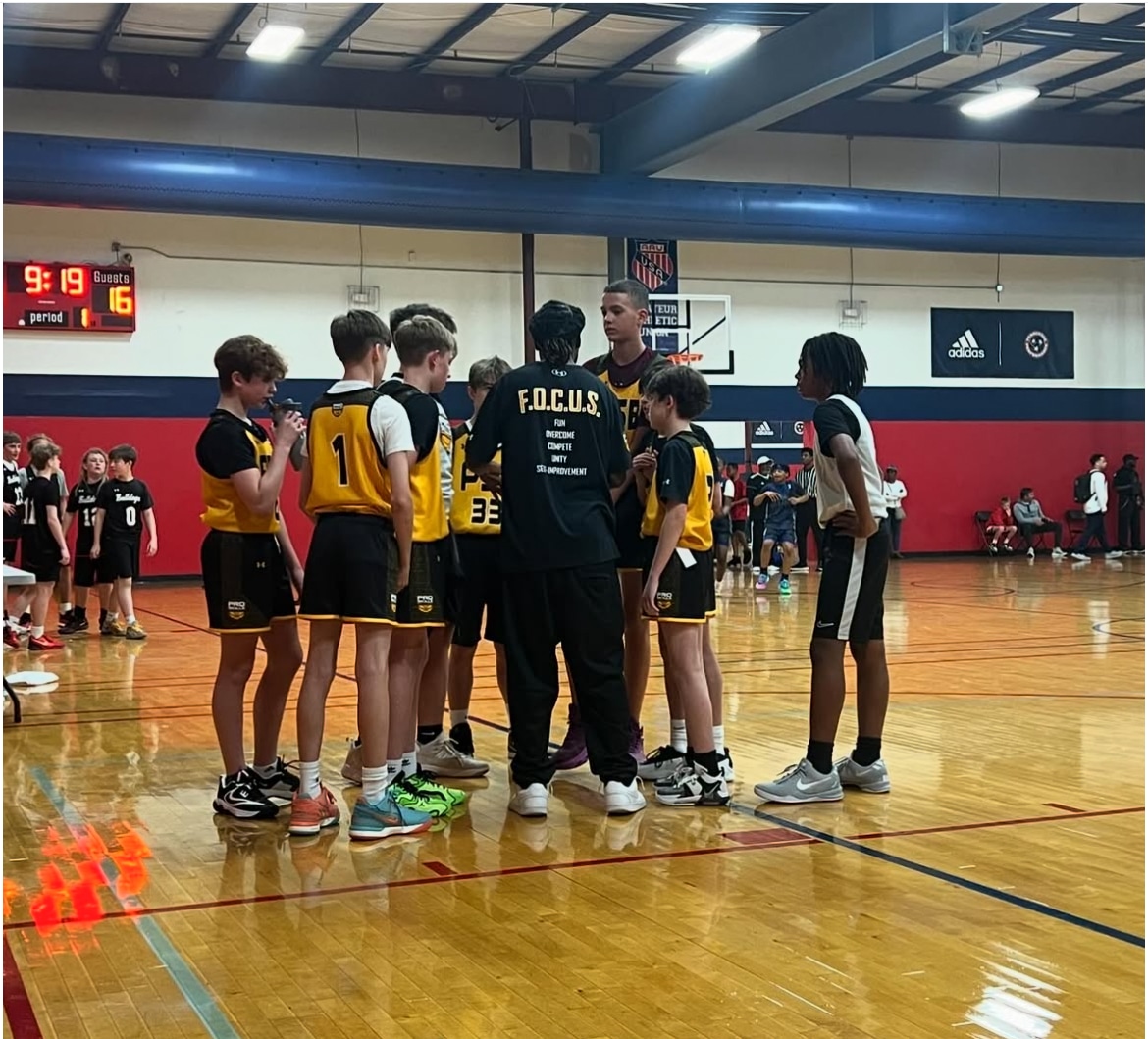
Both approaches have a place. The table below shows the practical differences so parents can see what each one trains.
| Factor | Positionless approach | Fixed-role approach |
|---|---|---|
| Skills taught | Shooting, handling, passing, and defense for everyone | Skills tied to one assigned position |
| Playing time | More lineups a player fits into | Depends on the team needing that role |
| Best for | Building a wide skill base | Mastering a specific job |
| Defensive demand | Guard several opponent types | Guard one type well |
| Long-term fit | Adapts as a player grows and changes size | Can limit growth if a player changes |
A young player who grows six inches between middle school and high school is a common story. The athlete trained only as a small guard can struggle when asked to play inside, and the one trained only as a post player can struggle when asked to handle the ball. A broad base protects against that, which is one reason a defined role tends to matter more later, after the fundamentals are in place.
When should a young player start learning multiple positions?
Earlier is better, within reason. The youth years are the right time to build a wide base because a player is still figuring out their body and their game. Locking a nine-year-old into one position because of current height often backfires. As players reach high school and the competition tightens, they can lean into the strengths that emerged from that broad foundation. You can see this same philosophy in our view on basketball and child development.
Want a visual of how this looks in practice? Watch this clip from Pro Skills Basketball on Instagram.
Frequently Asked Questions
Does positionless basketball mean my child will not learn fundamentals?
The opposite. Positionless basketball is built on fundamentals, since every player works on shooting, ball-handling, passing, and defense. It widens the skill base rather than skipping any part of it.
Will a smaller player be at a disadvantage in this system?
No. A positionless approach helps smaller players because it teaches them to score, defend, and contribute in more ways than just one. It also helps taller players develop guard skills early, which pays off if they stop growing or face bigger opponents later.
Is a defined position ever useful for a young athlete?
Yes. Mastering a role can be valuable, especially as players reach higher levels of competition. The recommended path is a wide base of skills first, then leaning into specific strengths as a player matures.
How does this help my child earn more playing time?
A player who can handle several jobs fits more lineups, so a coach can use them through foul trouble, matchups, and tempo changes. More ways to help usually means more minutes on the floor.
Where can my child learn positionless basketball?
Pro Skills Basketball teaches it through club teams, camps, clinics, and academies in 25-plus cities. Our locations page shows where programs run near you.
Sources

 De’Mon Brooks: Davidson to Pro Lessons for Young Players
 »
»