Pro Skills Basketball improves club basketball in three concrete ways: a structured player development model, vetted and trained coaches, and an organized parent communication system. This matters because roughly 3.6% of high school boys ever play NCAA basketball at any level, so the everyday experience your child has should build skills and character that last.
Last updated: June 2026
Key Takeaways
- Club basketball often feels disorganized and overly focused on winning; PSB is built to fix that.
- A structured development model combines skill training, clinics, team practice, and the F.O.C.U.S. values.
- Every PSB coach is background-checked, safety-certified, and trained in the PSB teaching method.
- Clear, multi-channel parent communication removes the guesswork families dread most.
- Only about 3.6% of high school boys reach NCAA basketball, so the daily experience should matter on its own.
Club basketball can feel disorganized, fixated on the scoreboard, and frustrating for players and parents alike. At Pro Skills Basketball, we think families deserve better. Across more than a decade of running camps, clinics, and competitive teams, we have watched what helps young players grow and what wears them down. The three things below are where we put our effort, and they are the questions parents ask us most.

How does PSB structure player development?
When PSB grew from camps and clinics into competitive club teams, we did not want to settle for practices and games on a calendar. Development happens when the pieces connect. Our model brings four things together so a player is not just busy but actually improving.
Skill training and team play that reinforce each other
- Skill sessions: Weekly work on fundamentals such as ball handling, shooting form, and footwork. If you want a sense of what that looks like at home, see our guide to at-home shooting workouts.
- Clinics and camps: Focused sessions during school breaks led by experienced coaches.
- Team practices and games: Structured reps that turn individual skills into real decisions under pressure.
- The F.O.C.U.S. values: Fun, Overcome, Compete, Unity, and Self-Improvement, woven into drills and game plans so players build habits that carry into school and life.
This connected approach is also why a structured program tends to beat a loose schedule of pickup runs. If you are weighing options, our guide to the benefits of AAU basketball walks through what a season should give your child.
Recruiting support that stays honest
We take college basketball seriously, and we are also straight with families about the odds. About 3.6% of high school boys play NCAA basketball at any division, and roughly 1.1% reach Division I, per the NCAA. We help players who want to pursue that path with film, guidance, and parent workshops, and we are clear that development and character are the real return for the other 96%. For families starting the journey, our 5 steps to the recruiting process is a grounded place to begin.
What makes PSB coaches different?
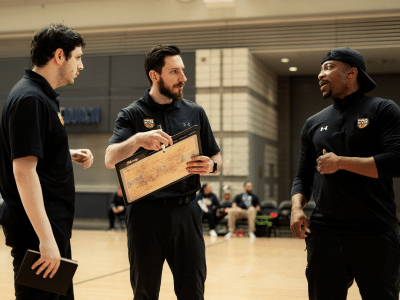
Uneven coaching is one of the biggest complaints parents have about club basketball. One team gets a teacher; the next gets a volunteer reading a clipboard. We hold our staff to a clear standard.
| What parents often see elsewhere | What PSB requires |
|---|---|
| Whoever volunteers gets the team | Selective hiring of experienced coaches |
| Background checks inconsistent | Background check plus CPR, First Aid, and safety training |
| No shared teaching method | PSB coaching certification before stepping on court |
| Training ends after orientation | Ongoing development through the PSB Coaches Program |
The point of all this is consistency. A parent should not have to hope their child landed with the good coach this season. The standard travels with the program. Steve Kerr, head coach of the Golden State Warriors, keeps the why behind it simple.
“We are the luckiest people on earth. We play basketball for a living. People dream of that, so we never, ever want to lose sight of the fact that this has got to be fun.”
— Steve Kerr, Head Coach, Golden State Warriors
That mindset matters for young players too. The Aspen Institute reports that the average child quits a sport by around age 11, most often because it stopped being fun. Good coaching keeps the game enjoyable while still teaching it well, which is exactly how you keep a player in the gym long enough to get good. Our piece on bringing fun back to youth sports goes deeper on the balance.
How does PSB keep parents in the loop?
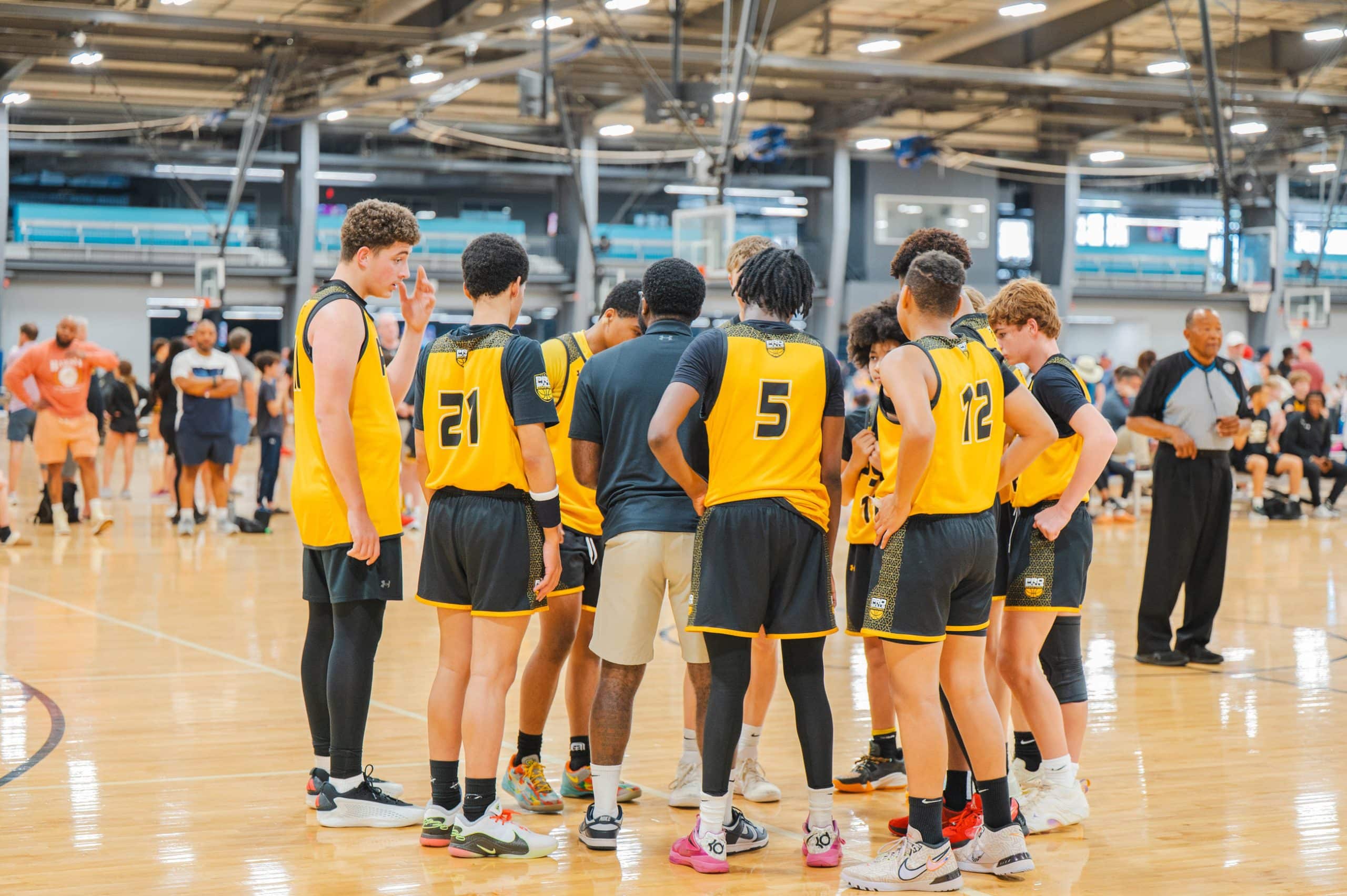
Missing information is a quiet source of stress for basketball families. When is practice, where is the tournament, who do I call, what does my child need to bring. We try to answer those questions before you have to ask them.
- Multiple channels: Updates by email, text, and social so schedules and changes reach you fast.
- City handbooks: Before tryouts, every family receives a city-specific handbook covering schedules, fees, codes of conduct, and season goals, reviewed at parent orientation.
- Clear contacts: You always know who to reach for a question, a conflict, or a concern.
Strong communication also helps parents stay in a healthy role on the sideline. If that is something you think about, our honest look at the signs of a basketball parent who has lost perspective is worth a read.
A post shared by Pro Skills Basketball (@proskillsbasketball)
Frequently Asked Questions
What ages does PSB serve?
PSB runs programs for young players roughly ages 8 to 18, including club teams, camps, clinics, and year-round academies. The right fit depends on your child’s age, experience, and goals, and your local director can help you choose.
Is club basketball worth it if my child will not play in college?
Yes. Only about 3.6% of high school boys reach NCAA basketball, so the lasting value is in the skills, fitness, and character a player builds along the way. A good program is worth it for the experience itself, not only the long-shot outcome.
How is PSB different from a typical AAU team?
The biggest differences are the structured development model, the coaching standard, and the communication system described above. You can compare approaches in our AAU basketball guide.
Are PSB coaches background-checked?
Yes. Every coach is background-checked and certified in CPR, First Aid, and child-safety protocols, and each completes PSB coaching certification before working with a team.
How do I find a PSB program near me?
Use our locations page to find your city, then reach out about teams, camps, or clinics. A local director will walk you through tryouts and the season.
Sources

 How to Choose a College Basketball Program