

A S.M.A.R.T. basketball goal is Specific, Measurable, Achievable, Relevant, and Timely, which turns a vague wish like “get better” into a trackable plan such as “make 300 game-speed jumpers a day this summer.” Research on goal setting shows it reliably improves athletic performance when goals are concrete and tied to a deadline.
Last updated: June 2026
Key Takeaways
- A dream is the destination; a goal is the map that gets your child there.
- S.M.A.R.T. goals are Specific, Measurable, Achievable, Relevant, and Timely.
- The best goals are owned by the player, not handed down by a parent or coach.
- Short, stackable goals build momentum better than one giant long-term goal.
- Keep the work fun. Having fun is the number one reason children play, so protect it.
At Pro Skills Basketball we hear big dreams from young players every week. “I want to play Division I.” “I want to play in college.” “I want to go pro.” Those dreams are worth having, and we love hearing them. But when we ask how a player plans to get there, most go quiet.
That gap is the whole problem. A dream tells you where you want to end up. A goal tells you what to do this week to get closer. The players who improve the fastest are the ones who learn to translate the dream into a plan they can act on today.
This guide breaks down how to set realistic basketball goals using the S.M.A.R.T. framework, with examples by age so parents and players can put it to work right away.
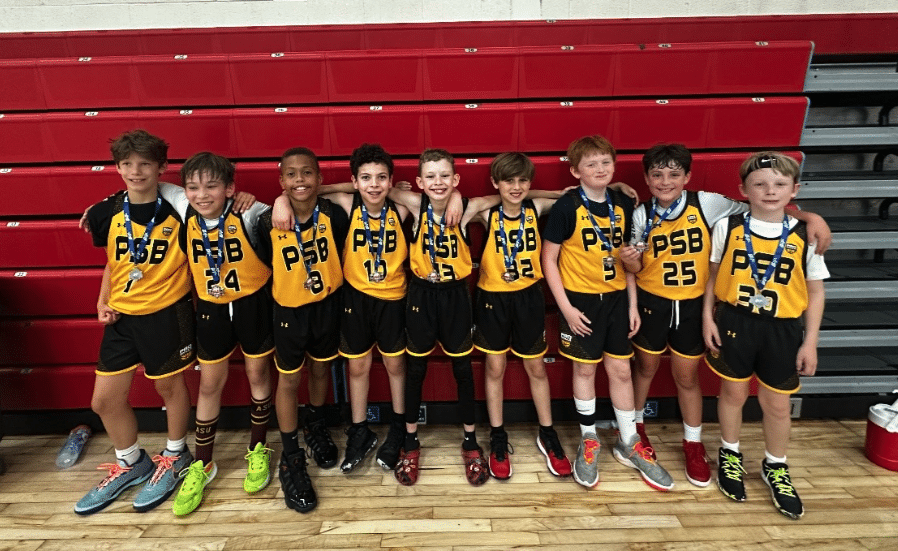
What does S.M.A.R.T. stand for in basketball goal setting?
S.M.A.R.T. is a goal-setting method used across sports, school, and business. Each letter forces a vague intention to become something a player can actually train toward and measure.
Specific
“I want to be a better player” is a fine intention, but it gives you nothing to train. Ask how. “I want a reliable left hand.” “I want to defend on the ball without fouling.” “I want to shoot better from three.” The narrower the target, the easier it is to aim your reps.
Measurable
Once a goal is specific, attach a number so progress is visible. Instead of “shoot better,” try “make 40% of my threes in games this season” or “make 10 free throws in a row five times every week.” Numbers let a player see whether the plan is working or needs adjusting.
Achievable
Dream big, but set the next goal within reach. A 10th grader aiming for the NBA next year has no useful goal. “Make varsity next season,” “add four inches to my vertical this summer,” or “earn 20 minutes a game by midseason” are real targets a player can chase and hit.
Relevant
A goal a player actually cares about gets pursued long after motivation dips. Help your child ask: is this my dream or someone else’s? Which part of my game do I want to fix? Self-chosen goals stick. Parent-assigned ones tend to fade by August.
Timely
A goal without a deadline is just an idea. “Make 500 shots a day from June 1 to August 31.” “Add 30 pounds to my bench in the next 90 days.” A start and end date creates urgency and gives you a clear point to evaluate the result.
What is the difference between a vague goal and a S.M.A.R.T. goal?
Most young players set goals that sound motivating but cannot be acted on or measured. Here is how the same ambition looks before and after the S.M.A.R.T. treatment.
| Vague goal | S.M.A.R.T. goal | Why it works |
|---|---|---|
| “Be a better shooter” | “Make 38% of my threes in games by season’s end, tracking every practice and game attempt” | Specific skill, real number, clear deadline |
| “Get in shape” | “Run a sub-7-minute mile by August by training twice a week” | Measurable outcome with a plan attached |
| “Make varsity someday” | “Make the varsity roster at next fall’s tryout” | Achievable next step instead of a far-off wish |
| “Get recruited” | “Build a highlight video by October and email it to 20 college coaches” | Concrete actions a player controls |
If recruiting is part of the dream, the action steps matter more than the wish. Our guide to how to email college basketball coaches and the full college recruiting process turn “get recruited” into a checklist a player can work through.
Why do S.M.A.R.T. goals work for young basketball players?
Plenty of players assume that showing up to games is enough. The ones who pull ahead train with a purpose. Goal setting is what gives a workout its purpose, and the research backs this up. Studies on goal-setting interventions in sport consistently find that specific, time-bound goals improve performance compared with simply telling an athlete to do their best.
Beyond the numbers on the stat sheet, the habit teaches a player four things that carry well past basketball:
- Discipline. Daily effort, tracked over weeks, adds up to real change.
- Focus. A clear goal tells a player where to spend limited time and energy.
- Accountability. Writing down results makes a player responsible to the plan.
- Resilience. Not every goal gets hit on schedule, and learning to reset is part of it.
One caution from the research: goals can sharpen performance while quietly draining the joy if every minute becomes a target. Having fun is the single biggest reason children play sports, cited by 48% of young athletes in the Aspen Institute’s national survey. Protect that. The point of a goal is to make the work more rewarding, not to turn a 12-year-old’s game into a job.
“I knew what I wanted to accomplish, and I knew how much work it took to achieve those goals. I then put in the work and trusted in it.”
— Kobe Bryant, The Mamba Mentality: How I Play
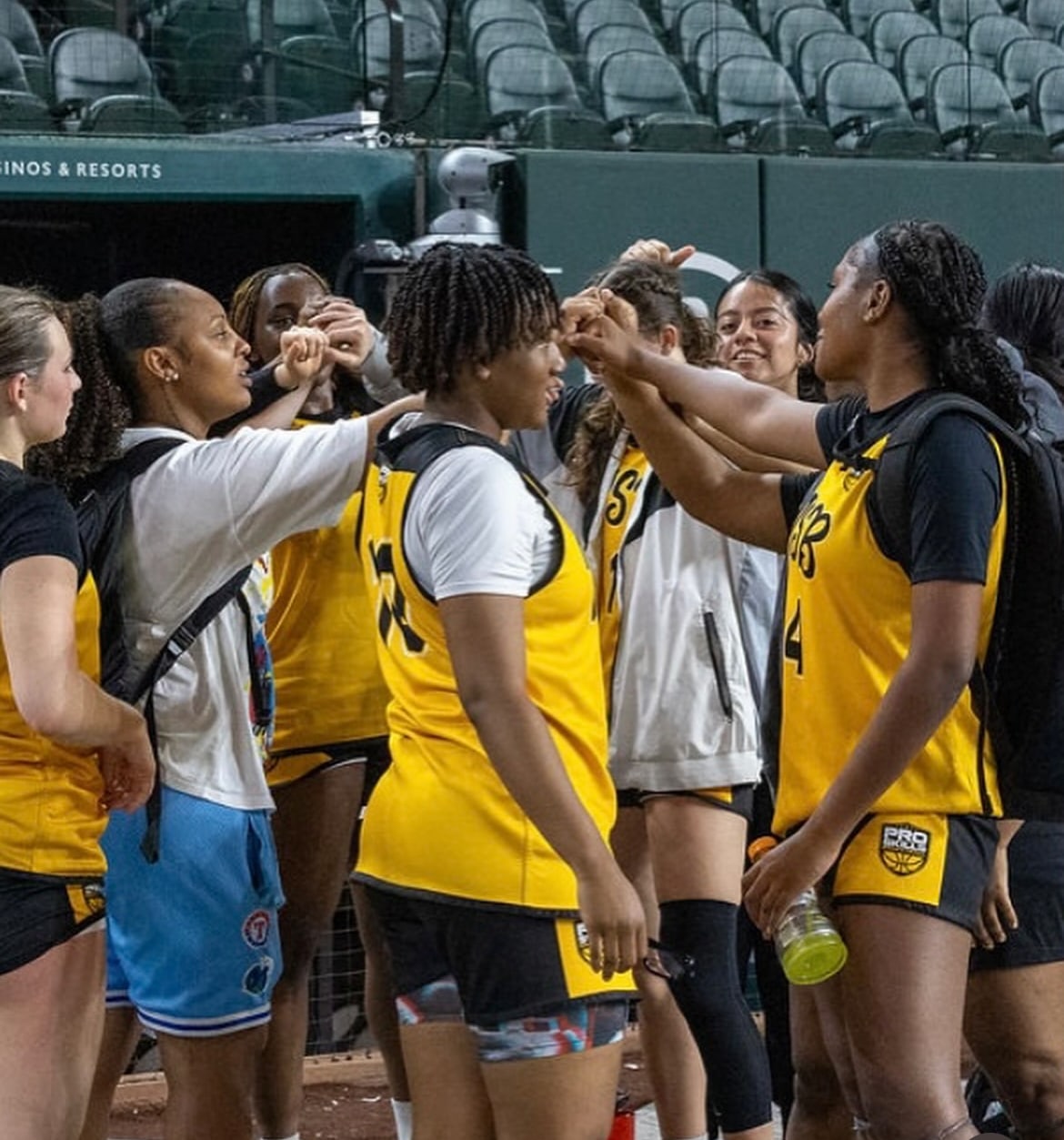
What are good S.M.A.R.T. goal examples by age?
The framework scales from a sixth grader learning a left-hand layup to a junior chasing exposure. Here are starting points by stage.
Middle school (grades 6 to 8)
- “Make 100 left-hand layups three times a week this summer.”
- “Shoot 200 free throws a week and track my percentage.”
- “Run a mile twice a week to build conditioning.”
This is the stage to fall in love with the work. Our middle school basketball drills give players solo and partner options they can run in a driveway.
High school (grades 9 to 12)
- “Raise my three-point shooting to 38% by tracking every rep in practice and games.”
- “Attend three skill clinics this offseason.”
- “Build a highlight video by October and send it to 10 college coaches.”
College prep and recruiting
- “Play in two exposure events this spring and send film to 20 schools.”
- “Meet with my high school coach monthly to review strengths and weaknesses.”
- “Journal every workout and reflect weekly on progress.”
If college is the target, it helps to know what college coaches actually look for in recruits so the goals point at the right skills.
How can parents help without taking over?
The most useful thing a parent can do is hold the player accountable to goals the player chose. Ask “what are you working on this month?” instead of assigning the target yourself. Help track the numbers, celebrate the small wins, and resist the urge to manage every rep. Ownership is what keeps a player going when you are not watching.
Frequently Asked Questions
How many goals should a young player set at once?
Two or three at a time is plenty. A skill goal, a fitness goal, and maybe a team goal keep focus sharp. Stacking ten goals at once usually means none of them get real attention.
How often should a player review their goals?
A quick weekly check-in works well, with a fuller review at the end of each season or training block. The point is to notice early whether a plan is working so it can be adjusted before months go by.
What if my child does not hit a goal?
That is normal and useful. Treat a missed goal as information, not failure. Was it too ambitious, too vague, or did the plan fall apart? Reset the target and keep going. Learning to recover from a miss is one of the most valuable things sports teaches.
Should goals focus on outcomes or effort?
Both, but lean on what the player controls. “Make the varsity team” depends partly on coaches and other players. “Make 500 quality shots a day” is fully within a player’s hands. Process goals tend to drive outcome goals.
At what age should a child start setting basketball goals?
Simple goals work as early as middle school, framed in fun, concrete terms like “make 50 layups without a miss.” The structure can grow more detailed through high school as the player matures and the stakes rise.
Sources
At Pro Skills Basketball, our coaches help players set and chase S.M.A.R.T. goals all season, in club teams, camps, clinics, and academies across more than 25 U.S. cities. Find your city and join a program built on real development.

 The Real Problems With AAU Basketball