
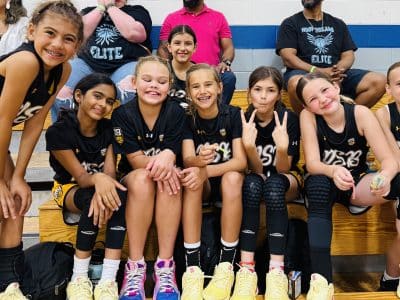
Children most often quit sports because the game stops being fun, with the average young athlete dropping out by age 11, according to Aspen Institute Project Play research. Parents protect that joy by celebrating effort over scores, staying quiet on the sideline, and choosing a program whose values match their own.
Last updated: June 2026
Key Takeaways
- The average child quits organized sports by age 11, most often because it is no longer fun.
- Fun for a young player usually means friends, energy, and effort, not the final score.
- Sideline coaching and car-ride breakdowns add pressure and drain enjoyment.
- A program whose values match yours keeps expectations clear and the experience positive.
- When parents and coaches share the same goals, players stay in the game longer.
Youth sports are losing players, and the reason is simpler than most parents expect. The average child today spends fewer than three years in a sport and walks away by age 11, most often because it stopped being fun. That finding comes from a national survey of parents conducted by the Aspen Institute with the Utah State University Families in Sports Lab.
At Pro Skills Basketball, fun is the foundation of long-term development. Our core values spell F.O.C.U.S., and the first letter stands for Fun. Basketball should be where a young player learns, grows, and builds a lasting love for the game. Yet sideline pressure, oversized expectations, and a narrow focus on winning can turn something joyful into something stressful. Here is how parents can help bring the fun back.
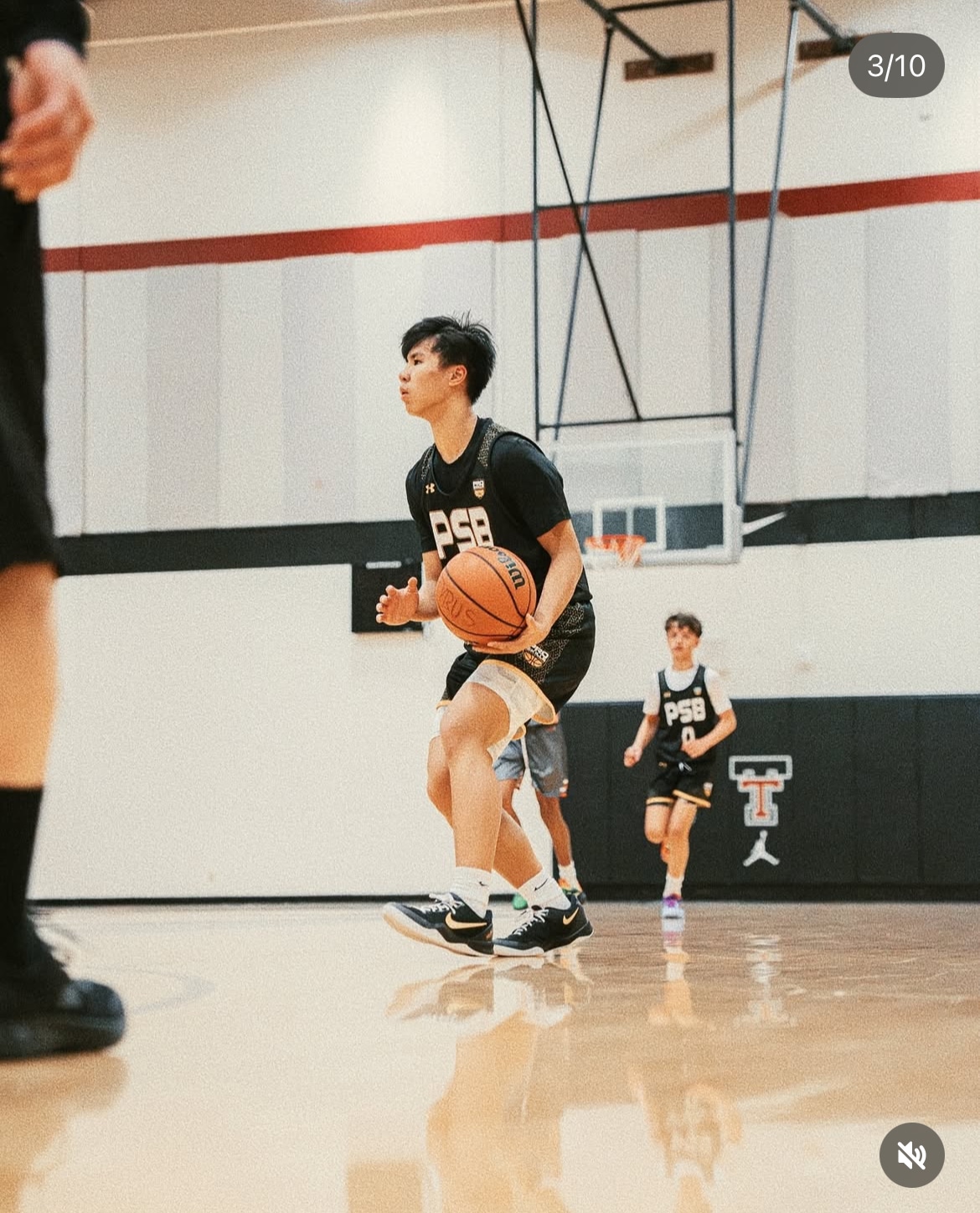
Why Do So Many Children Quit Youth Sports?
The honest answer is that the game stops feeling like play. When practices feel like obligations and games feel like exams, young athletes lose the reason they signed up in the first place. The drop-off is steep: many players are gone before they reach middle school.
The pressure is not evenly shared, either. Project Play found that lower-income youth were less likely to “almost always” or “frequently” have fun in sports (56 percent) than higher-income youth (72 percent). Cost, travel, and access all shape whether a child gets to simply enjoy playing. For parents, the takeaway is clear: joy is fragile, and it is worth protecting on purpose.
What Does “Fun” Actually Mean to a Young Player?
Winning feels good, but it is rarely why children play. Ask them, and the top answer is almost always the same: because it is fun. As adults, we sometimes forget what that word means to a 10-year-old.
We have had parents come to us upset after a lopsided loss, worried their child had a miserable afternoon. Then we look over at the bench and see that same child laughing with teammates or playing tag after the final buzzer. The scoreboard did not register at all.
For most young players, fun looks like this:
- Playing alongside friends
- Having a coach who genuinely cares
- Feeling the energy of a crowd
- Making a great pass or hitting a big shot
A Simple Question That Sets the Tone
Instead of leading with wins or stats after a game, try a different opener: “I loved watching you play today. Did you have fun?” Your reaction teaches your child what matters. When you show that joy comes first, your child is far more likely to keep wanting to play. If you want more ways to support without overstepping, our guide on common youth basketball parent habits is worth a read.
Should Parents Coach From the Sideline?
Staying quiet in the stands is hard. Even coaches and club directors feel the pull to shout suggestions during a game. But coaching your child from the bleachers, or breaking down every possession on the ride home, usually does more harm than good.
Three reasons this backfires:
- Conflicting instructions confuse players. When the coach says one thing and a parent says another, the player does not know who to follow.
- Added pressure hurts performance. A player trying to satisfy both coach and parent often loses confidence in the process.
- Post-game breakdowns drain enthusiasm. The car ride home should be recovery time, not a film session.
We have watched well-meaning parents unintentionally chip away at a child’s love for the game by overanalyzing every mistake. Joy fuels growth. When a young player loses the joy, the drive to keep playing usually goes with it.
“Young people need models, not critics.”
— John Wooden

How Do You Pick a Basketball Program That Keeps It Fun?
One of the best ways to protect your child’s experience is to choose a club or coach whose goals match your own. At Pro Skills Basketball, we aim for a real balance between development and competition. We are not a win-at-all-costs program, and we are not an everyone-gets-a-trophy team either.
We build the experience around a few priorities:
- Long-term skill development
- Positive coaching
- Team culture and accountability
- Game opportunities matched to where a player is developmentally
This approach is not for every family, and that is fine. Some families want national travel and a heavy focus on winning. Others want guaranteed minutes and less pressure. What matters is that parents and the program are on the same page from day one. Misalignment is where frustration starts, and it is usually where the fun fades fastest.
Three Program Philosophies, Compared
| Program Type | Best Fit For | Watch Out For |
|---|---|---|
| Win-at-all-costs | Highly competitive players chasing exposure and travel | Burnout, limited minutes, pressure-driven dropout |
| Everyone-gets-a-trophy | Beginners who want low pressure and guaranteed playing time | Thin skill development, little real challenge |
| Development-and-competition balance | Families who want growth, structure, and lasting enjoyment | Requires clear, honest expectations up front |
We believe in honest communication from the start. When parents and coaches work toward shared goals, players benefit and the joy of the game stays intact. You can see how this plays out across our club teams and learn more about how basketball supports a young player’s development.
Keeping the Lessons That Outlast the Scoreboard
The lessons a young player carries out of sports have little to do with stats or trophies. Resilience, teamwork, leadership, and effort are really lessons about growing up: making new friends, building self-esteem, and learning to be a reliable teammate. Our job as parents is to make sure children stay in the game long enough to learn them.
Frequently Asked Questions
At what age do most children quit youth sports?
The average child quits organized sports by age 11, according to Aspen Institute Project Play research. The most common reason given is that the sport stopped being fun.
Why is fun so important in youth basketball?
Fun is what keeps young players coming back. When children enjoy the experience, they practice more, stay longer, and develop the skills and character that sports are meant to build. When the joy disappears, so does the motivation.
Should I talk to my child about the game on the ride home?
Keep it light. The car ride home is best used for recovery, not analysis. A simple “Did you have fun?” works far better than breaking down mistakes. Save detailed feedback for the coach.
How do I know if a basketball program is right for my child?
Look for a program whose stated values match what you want for your child, whether that is development, competition, or low-pressure participation. Ask coaches directly about playing time, coaching style, and team culture before you commit.
What can parents do to keep youth sports fun?
Celebrate effort over outcomes, resist sideline coaching, ask about enjoyment instead of stats, and choose a supportive environment. Small shifts in how you respond after games make a real difference in whether your child keeps playing.
Sources

 5 Keys to Playing the Low Post in Basketball