
Starting a youth basketball program means answering five honest questions first: why you want to do it, whether you are qualified to coach, who you will serve, where you will run it, and how you will handle the business side. With U.S. youth sports participation up to 58% in 2024, demand is real, but a program only lasts when coaching and structure come before passion.
Last updated: June 2026
Key Takeaways
- Your reason for starting decides everything. Player development is a durable motive; chasing money or reliving your own playing days is not.
- You do not need to have played professionally, but you do need a real coaching or playing background and an honest read on your gaps.
- Decide early who you serve, recreational players, competitive players, or both, and build programs that fit them.
- Location, facility access, and local demand shape your pricing and growth more than almost anything else.
- The hardest part is the business: legal setup, registration, gym rental, hiring, and parent communication.
Youth basketball organizations have opened in cities across the country, and more people than ever want to turn a love of the game into a career. According to the Aspen Institute’s Project Play, U.S. youth sports participation rose to 58% in 2024, the highest level in nearly a decade. That demand is encouraging if, like us at Pro Skills Basketball, you care about coaching and developing young athletes.
Loving basketball is not the same as being ready to build a program around it. A sustainable youth basketball business is hard work. It takes experience, persistence, and a willingness to learn how an actual business runs. We have coached since 2009, and we have made plenty of mistakes along the way. Here are the five questions worth answering before you start.
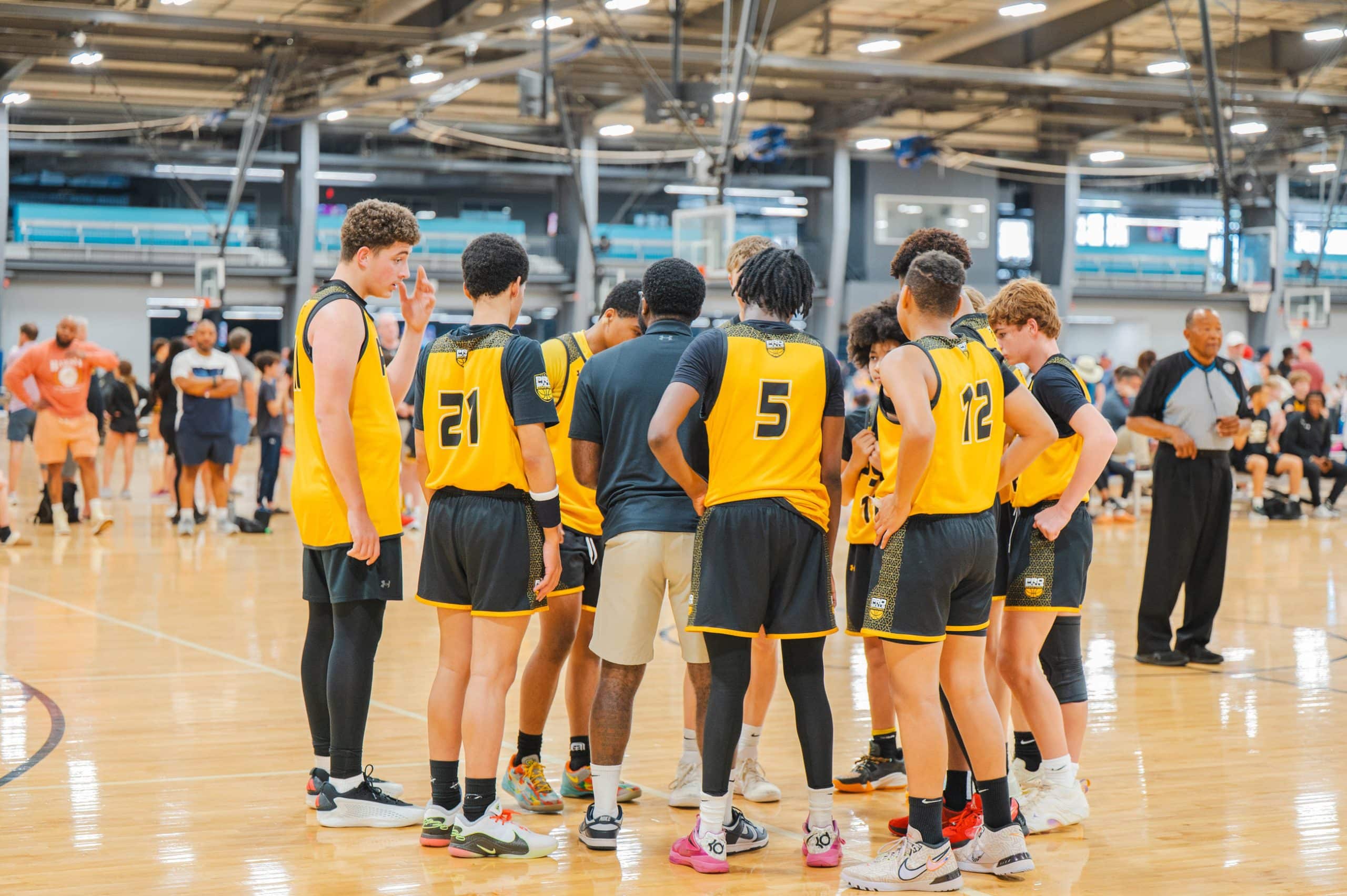
Why Do You Want to Start a Youth Basketball Program?
This is the most important question, because your motivation tends to decide your outcome. If you are getting into youth basketball to make quick money, coach your own child, relive your playing days, or chase attention, you are probably in the wrong lane.
The coaches and founders who last are driven by something steadier:
- A genuine interest in teaching and developing young players
- Real knowledge of the game
- A desire to make a positive impact on children through sports
If your reason lines up with those, you are on solid ground. Drew Hanlen’s Pure Sweat is a good example of mission-first player development that grew into a real business. The mission came first, and the business followed.
Are You Actually Qualified to Coach?
We say this with respect: not everyone should be a youth basketball coach. That does not mean you need to have played in the NBA. It does mean you should have a real background in playing, coaching, or both. Young players deserve coaches who understand the game and know how to teach it.
Playing experience and coaching ability are not the same skill, either. Jeff Van Gundy never played professionally and still became a respected NBA head coach. The point is to know what you bring, and be honest about what you do not. If you want to see the kind of backgrounds a developed program looks for, our team and coaching pages show the standard we hold.
What “qualified” really looks like
Beyond a résumé, qualified coaches can break a skill down into teachable steps, manage a gym full of energy, and communicate clearly with parents. If you are still building your own knowledge, study how strong programs structure their work, from fundamental youth drills to age-appropriate progressions.
Who Will You Coach, and What Will You Offer?
Get specific about the players you want to serve and the programs you will build for them. A few questions to settle early:
- What type of players do you want to coach? Recreational players just learning the game, or competitive players who want to train year-round and play club basketball?
- What programs will you run? Skill clinics, private training, camps, club teams, academies, or a mix?
At Pro Skills Basketball, we coach both recreational and competitive players, and we offer training, camps, clinics, and club teams designed to meet athletes where they are developmentally. That is one model, not the only one. Some coaches focus solely on elite travel teams. Others build academies or stick to small-group instruction. Each can work. What matters is matching your programs to your goals and your expertise.
For context on how participation breaks down by program type, it helps to understand the broader club and travel landscape, which our guide to AAU basketball walks through in detail.
Where Will You Run Your Program?
Location shapes nearly everything: your pricing, your gym availability, and how fast you can grow. Before you start, work through:
- Will you operate in a large city, a suburb, or a small town?
- What youth basketball organizations already exist there?
- Is there real demand for another program?
- Will you build your own facility or rent gym space?
Some organizations build their own facilities, like Carolina Courts in Charlotte or Gold Crown in Denver. At PSB, we rent space from schools, churches, and recreation centers so we can stay flexible and lean. Every market is different, and your geography will drive your costs and your growth path.
Owning vs. renting your facility
This single decision affects your startup capital, your monthly overhead, and how quickly you can expand into new areas. Here is how the two approaches compare.
| Factor | Own a Facility | Rent Gym Space |
|---|---|---|
| Upfront cost | High (mortgage, build-out, equipment) | Low (hourly or seasonal rental) |
| Flexibility | Tied to one location | Easy to add or change sites |
| Scheduling control | Full control of the calendar | Shared with the facility’s schedule |
| Best for | Established programs in one strong market | New or multi-city programs |
To research local competition and demand, free tools go a long way. Map nearby gyms and rec centers, and look at local Facebook basketball groups to gauge how many families are looking for a program.

How Do You Actually Start the Program?
If you have made it this far and still want to go for it, here comes the hard part: the logistics. Running a youth basketball business involves far more than showing up and coaching. You will need to handle:
- Legal setup (LLC, insurance, liability waivers)
- A website, registration system, and payment processing
- Customer service and parent communication
- Scheduling and renting gym space
- Hiring and training coaches
- Marketing and social media
- Gear, uniforms, and equipment
None of this is glamorous, and most of it has nothing to do with basketball. But it is what separates a weekend hobby from a program families can rely on season after season. Build the back end with the same care you bring to a practice plan.
“Excellence is the gradual result of always striving to do better.”
— Pat Riley, in The Winner Within
That mindset applies to building a program as much as to coaching one. The first season will not be perfect. The point is to get a little better every week, in your coaching, your communication, and your operations.
What Parents Should Look For in a Program
If you are a parent reading this to judge a program rather than start one, the same five questions are your checklist. Ask why the founder started it, who is coaching and what their background is, whether the program fits your child’s level, where and how often it meets, and how professionally it is run. A program that answers those clearly is one worth your time. For a deeper look at the upside, see how basketball supports child development.
Frequently Asked Questions
How much does it cost to start a youth basketball program?
It varies widely. Renting gym space and running clinics can start in the low thousands once you cover insurance, registration software, and gear. Building or leasing a dedicated facility can run into six figures. Most new programs begin by renting and reinvesting as they grow.
Do I need to be a former professional player to start one?
No. You need a real coaching or playing background and the ability to teach the game, not a pro résumé. Plenty of respected coaches never played professionally. Honesty about your gaps matters more than your highlight reel.
What programs should a new youth basketball organization offer first?
Most start with clinics or camps because they require less commitment from families and less overhead from you. As demand grows, many add club teams, academies, or private training. Start with what your market actually wants and what you can run well.
How do I know if there is demand in my area?
Map the existing gyms, rec centers, and clubs nearby, then check local Facebook groups and school programs. If families are asking where to find good training and the options are thin, that gap is your opening.
What is the hardest part of running a youth basketball program?
For most founders, it is the business side: scheduling gyms, managing registration and payments, hiring and training coaches, and communicating with parents. The coaching is the part you already love. The operations are what you have to learn.
Sources

 Staying Engaged on the Bench in Youth Basketball
 »
»