
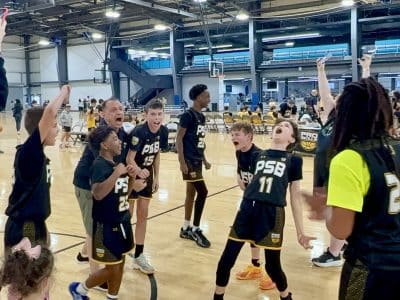
Staying engaged on the bench teaches young basketball players to support teammates, manage disappointment, and stay ready to perform when called on. With 58% of U.S. children ages 6 to 17 playing sports in 2024 (Aspen Institute Project Play), bench habits shape how millions of young athletes experience the game.
Key Takeaways
- Bench energy is a real skill that builds team culture, not background noise.
- Engaged players are easier to sub in because they have tracked the flow of the game.
- Supporting teammates from the bench teaches selflessness, resilience, and how to handle disappointment.
- Coaches and parents set the tone; players follow what the adults reward.
- A few simple habits, modeled consistently, change how a team plays and feels.
Walking around an AAU tournament recently, one thing stood out. Players on the bench were often disengaged, distracted, or sulking. That is a missed opportunity, and it is one of the easiest things in youth basketball to fix.
Bench energy is not only about clapping for teammates. It is about culture, connection, and character. At Pro Skills Basketball we treat the bench as one of the most useful and overlooked tools for development. That is why we built our “Stay Active” approach around it. We encourage young players to stay engaged, energetic, and positive even when they are not in the game.
Here are three reasons it matters for players, parents, and coaches alike, plus practical ways to build it into your program.
Why does bench energy matter in youth basketball?
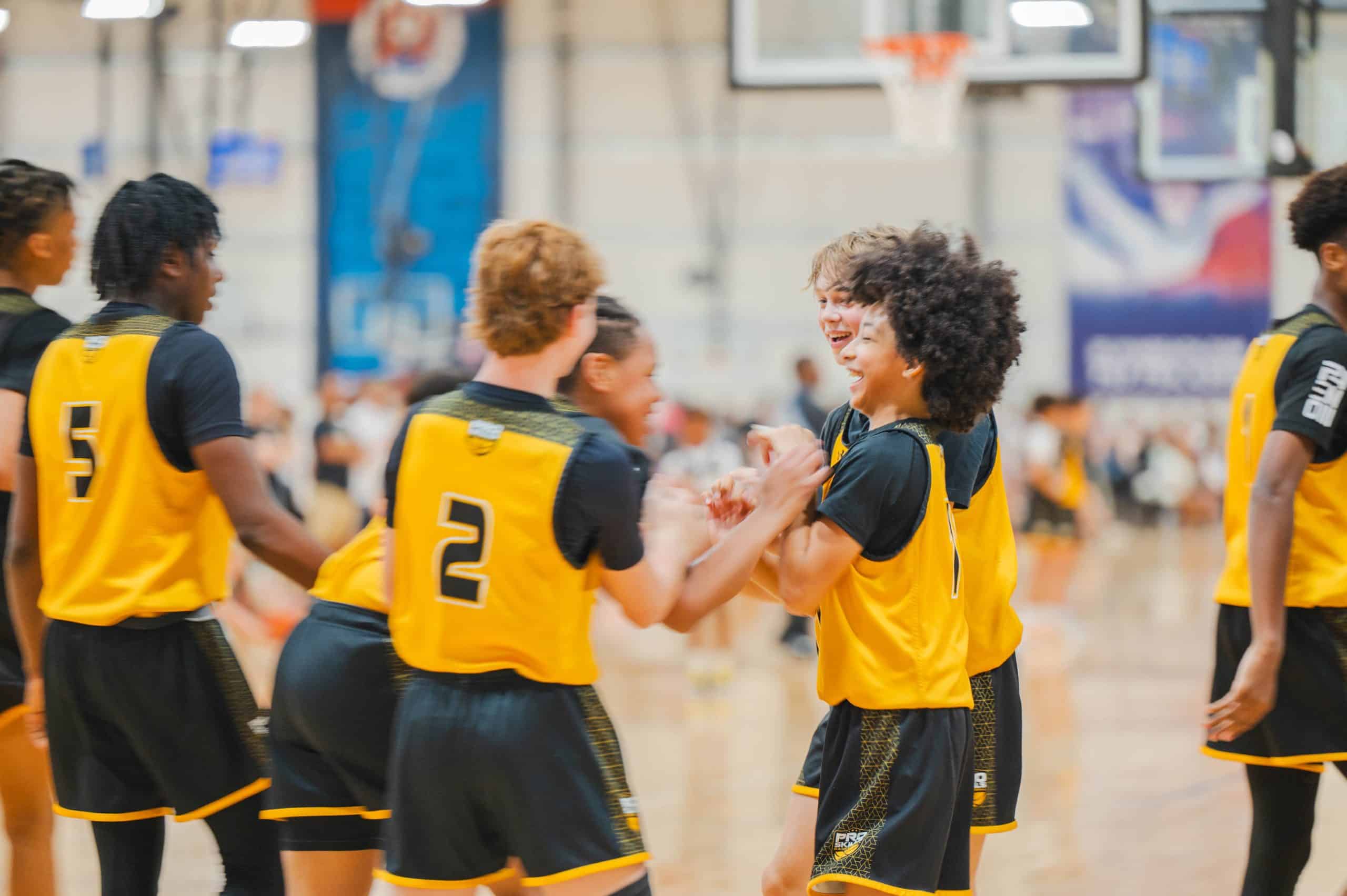
When a team has genuine spirit, it shows, and it usually starts on the bench. Some of the best memories in sports come from celebrating with teammates. Even if you are not the one scoring the game winner, being part of the moment is its own reward.
Watch any college team during March Madness. The bench players are loud, creative, and unified. They are having fun and building culture at the same time. The pros notice it, coaches notice it, and teammates feel it.
Energy is contagious, and a connected team is a more enjoyable team to be part of. That matters when so many young athletes drift away from sports. Keeping the experience fun is one of the strongest reasons players stay in the game. We cover this theme in our piece on bringing fun back to youth sports.
“The most important measure of how good a game I played was how much better I’d made my teammates play.”
Bill Russell, 11-time NBA champion
Russell built a Hall of Fame career on exactly this idea. The same standard applies to a 10-year-old on the bench. Your job in that moment is to make the team better. You can do that with your voice and your attention before you ever step on the floor.
How does staying active on the bench help a player perform?
From a coach’s seat, this one is simple. When we look down the bench mid-game trying to decide who to sub in, we have a choice:
- The player who has been slouching and sulking for 20 minutes.
- Or the one who is locked in, cheering, high-fiving, and tracking the flow of the game.
We want players who are mentally and emotionally in the game, because when their number is called, they are ready. Bench energy does not only help teammates. It helps the player, too. Tracking matchups, fouls, and tempo from the sideline is real preparation, and it pairs well with the broader habit of staying focused throughout a game.
I learned this one the hard way. Late in my pro career, after good stretches in France, I landed in Germany averaging about eight minutes a game. My ego was bruised. I blamed the coach. I pouted and made excuses. Looking back, I wish I had handled it with more maturity. I did not, and I regret it.
That is why I tell our parents and players today: be ready, be active, be positive. That energy helps the team, and it helps you. Earning more opportunity often starts with attitude, which is exactly what we get into in how to get more playing time.

What life lessons does the bench teach young athletes?
Being a good teammate is one of the most valuable things we can teach. Not every player will be the star. Not every player will get the minutes they want. But every player can add to the team’s culture, unity, and spirit.
Players who stay engaged from the bench learn how to:
- Support others even when things are not going their way.
- Manage disappointment with grace.
- Put the team ahead of themselves.
We have heard the pushback before: “I’m not teaching my son to be a cheerleader.” We understand the instinct. But the real lesson is different. You are teaching your child to be coachable, selfless, and supportive. These traits carry into school, work, and every team they will ever join.
These are the same habits that show up in our look at how basketball supports child development. Learning to respond to a setback, including losing playing time, is a skill we explore further in how to learn from losing.
Dean Smith, the legendary North Carolina coach, used to make his entire team run if one player did not stand and clap for a teammate coming out of the game. That was never about punishment. It was about values, and it worked.
How can coaches and parents build bench energy?
Bench culture does not happen by accident. The adults set the tone, and players follow what gets noticed and rewarded. The table below shows the difference a deliberate approach makes.
| Situation | Disengaged bench | Engaged bench |
|---|---|---|
| Teammate makes a play | Heads down, little reaction | Stands, celebrates, calls out the assist |
| Coach looks to sub | Player has lost the flow of the game | Player knows the matchups and is ready |
| Tough stretch in the game | Frustration spreads down the bench | Encouragement steadies the group |
| After the game | Players feel apart from the result | Players feel part of the team’s effort |
Here are a few simple ways to get started:
- Coach-led modeling: praise the players who bring energy, the same way you praise a good box-out.
- Celebration roles: give younger or newer players a specific “hype” responsibility during games.
- Film and discussion: watch clips of strong bench energy and talk about why it matters.
- Parent support: reinforce at home that attitude and effort count as much as points.
Being enthusiastic on the bench can look like a small detail. It is actually a large opportunity. Players who learn to stay active while sitting end up better prepared, more connected, and more valuable to the team and to themselves.
Frequently Asked Questions
Is cheering from the bench really a skill, or just personality?
It is a skill. Some young players are naturally outgoing, but every player can learn to track the game, encourage teammates, and stay mentally ready. Like any habit, it improves with modeling and practice.
My child barely plays. How do I keep them motivated?
Focus on what is in their control: attitude, effort, and readiness. Frame the bench as preparation rather than punishment, and celebrate the contributions that do not show up in the box score. If minutes are the goal, attitude is usually the fastest path to earning them.
Won’t focusing on bench behavior take attention away from skill development?
No. Being engaged on the bench means following the action, which sharpens game awareness. Skill work and bench habits reinforce each other rather than compete.
What if my child feels embarrassed celebrating teammates?
That usually fades once it becomes part of the team’s norm. When the coach models it and the whole group participates, no single player stands out, and support starts to feel natural.
At what age should this start?
As early as players begin organized teams. Younger athletes pick up culture quickly, so the habits you build in elementary and middle school years tend to carry forward.
Sources

By Brendan Winters, Co-Founder and Chief Growth Officer
Brendan co-founded Pro Skills Basketball in 2009 and is its Chief Growth Officer. At Davidson College he was a two-time All-American and Southern Conference Player of the Year. He then played five pro seasons in France, Germany, Hungary and Greece.

 Join Our Team as a City Director and Shape the Future of Youth Basketball in Your Community!