
AAU basketball is one of the most popular forms of competitive youth basketball in the United States. While AAU stands for the Amateur Athletic Union, founded in 1888 to promote youth sports, the term “AAU basketball” has evolved to cover all forms of club basketball outside of the traditional school system. It’s become a catch-all term, much like how “Kleenex” is used for tissues.
In this article, we’ll break down what AAU basketball actually is, its pros and cons, how to find the right team, and what parents and coaches can do to make the experience a good one.
In This Article
- What Is AAU Basketball?
- What Are the Pros of AAU Basketball?
- What Are the Cons of AAU Basketball?
- How Do You Choose the Right AAU Program?
- What Should Parents Know About AAU Basketball?
- What Should AAU Coaches Focus On?
- FAQs About AAU Basketball
What Is AAU Basketball?
AAU basketball refers to organized youth basketball played on club or travel teams outside of the school system. These teams typically compete in weekend tournaments during the spring and summer months, from roughly March through July.
When people say “AAU basketball,” they’re usually talking about competitive travel teams that operate year-round. These teams range from local recreational squads to elite national programs. Many athletes, coaches, and parents see AAU as a path to skill development and college recruiting exposure.
AAU has drawn criticism too. Even Kobe Bryant, who once called it “terrible” for player development. Bryant argued that too many games and not enough training left U.S. players behind their European counterparts, who often focus more on fundamentals.
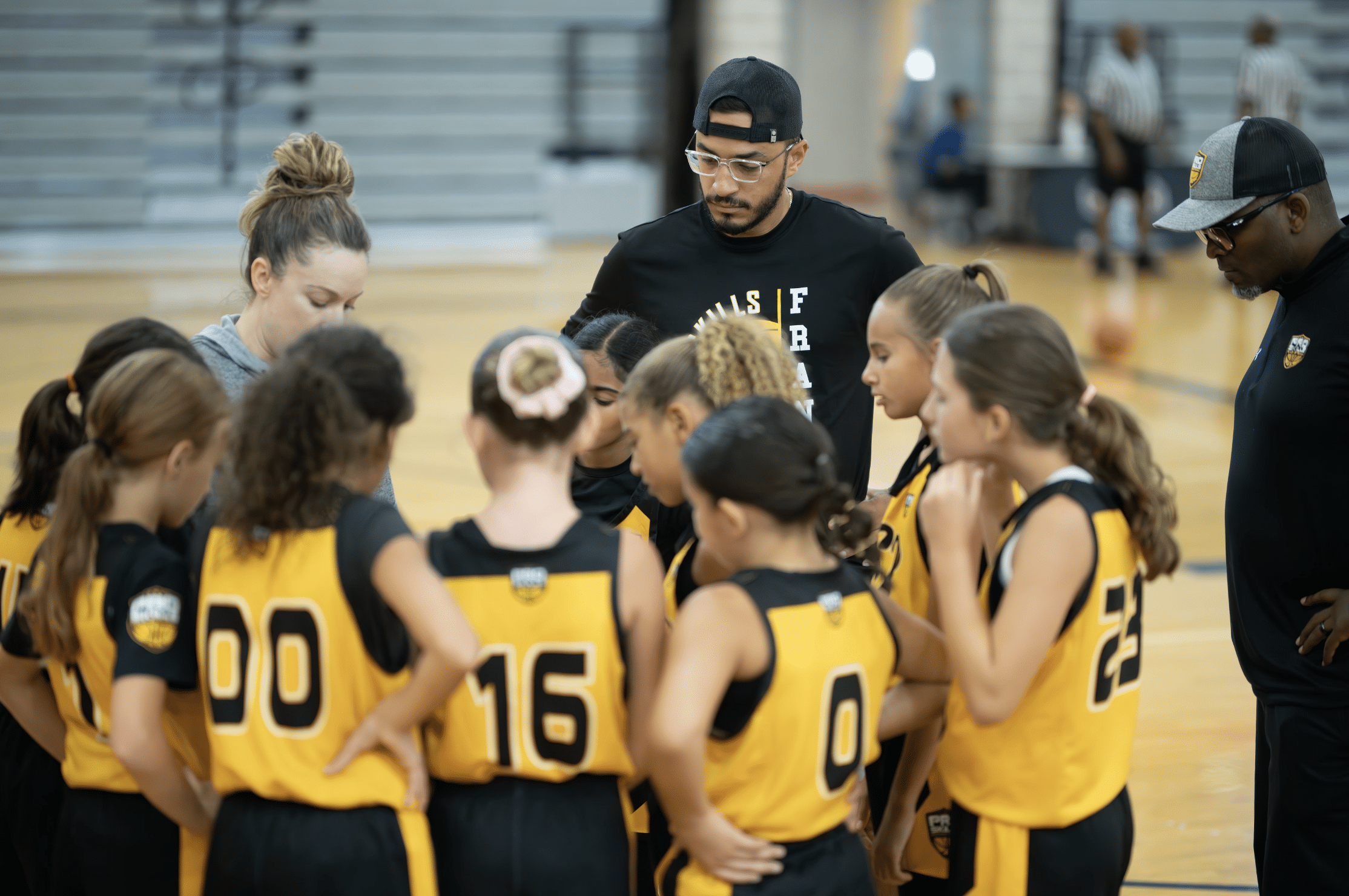
At Pro Skills Basketball, we believe the best youth basketball programs balance competitive games and meaningful practices. That’s why every PSB team practices at least twice per week. Not just to prepare for the next tournament, but to actually teach the game.
What Are the Pros of AAU Basketball?
AAU basketball offers real benefits when the program is set up the right way. Here’s what players and families typically gain from the experience.
Year-round skill development. AAU gives players consistent reps outside of school season. With practices and games running from March through July, kids get significantly more time with the ball than they would during a typical 10- to 12-week school season. The extra reps add up.
Higher-level competition. Travel tournaments expose players to opponents they’d never face in their local rec league. Playing against stronger, faster, and more skilled kids is one of the fastest ways to improve. You find out what you’re good at and what you need to work on, fast.
Mental toughness. AAU puts players in tough spots: limited minutes, close losses, playing up an age group, guarding someone bigger. These moments teach kids how to handle adversity, stay composed, and keep competing when things aren’t going their way.
Learning to be a teammate. Team success matters in AAU. Players learn to take coaching, support the bench, and sacrifice individual stats for the group. Those lessons stick well beyond basketball.
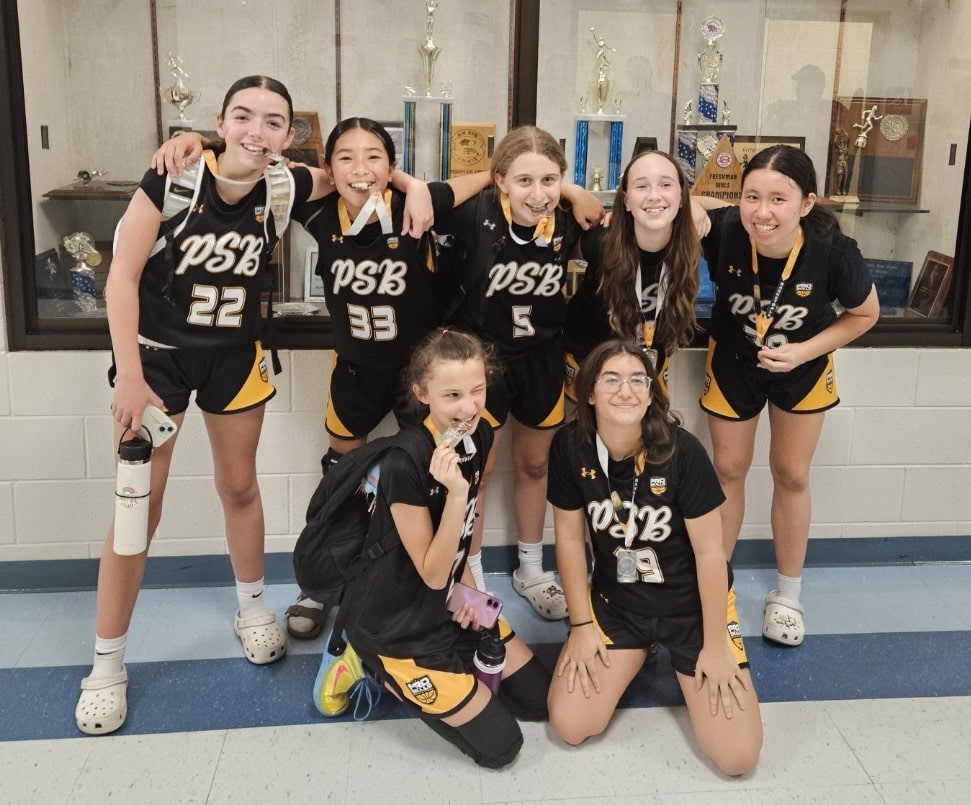
It’s fun. Between the road trips, tournament weekends, post-game meals, and buzzer-beaters, AAU creates memories kids talk about for years. When the environment is right, it reminds players why they fell in love with basketball in the first place.
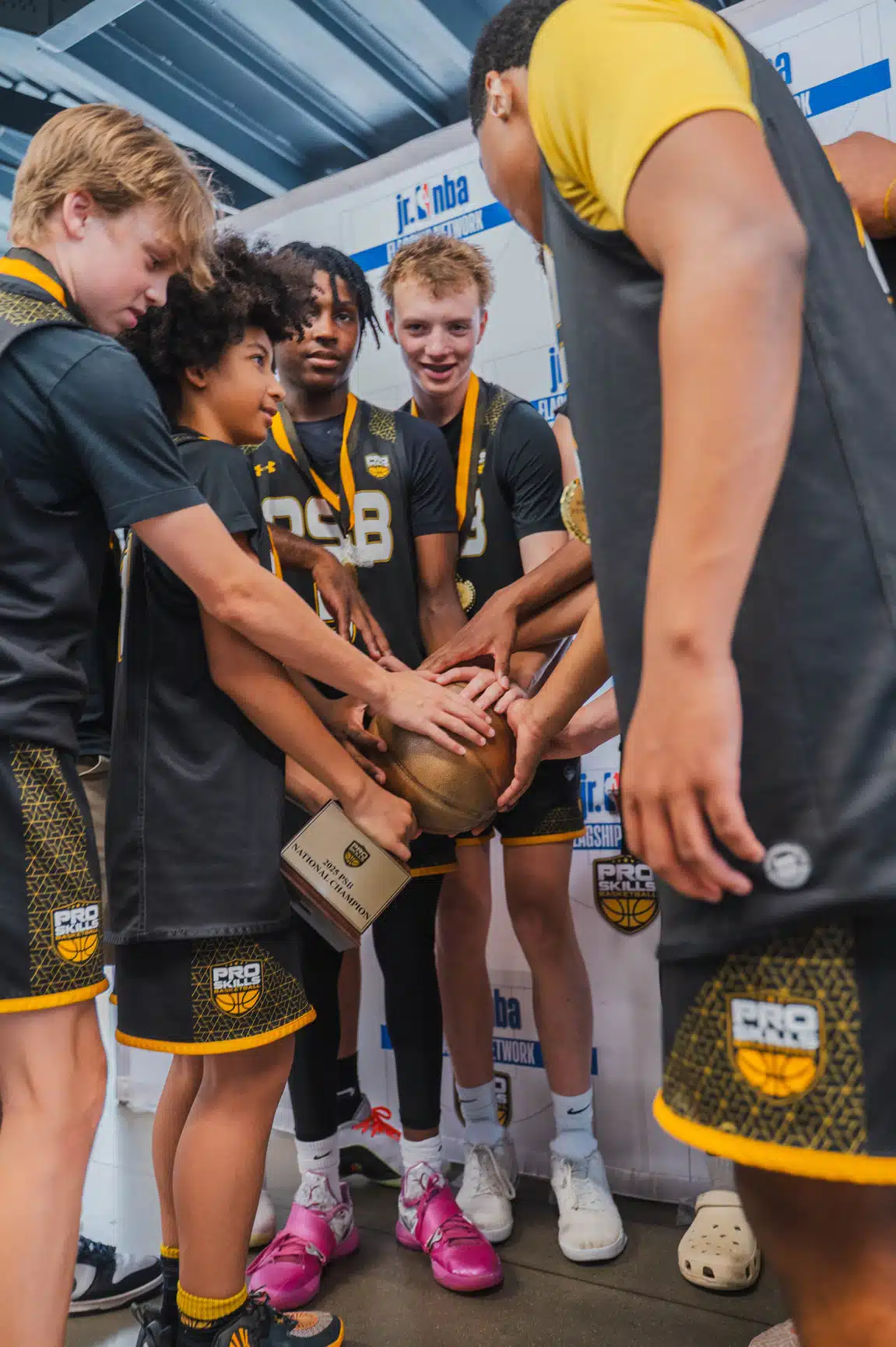
College exposure. For serious players, AAU provides a platform to be seen by college coaches during NCAA-sanctioned viewing periods. These events can lead to scholarship offers and recruitment at every level: Division I, II, III, NAIA, and JUCO.
What Are the Cons of AAU Basketball?
AAU isn’t perfect, and the experience varies a lot depending on the program. Here are some common problems families run into.
Too many games, not enough practices. Some programs play in a tournament every single weekend but only practice once a week (or less). When that happens, players are repeating what they already know instead of building new skills. The best programs flip this ratio and put more time into practice than games.
Winning gets prioritized over development. Some coaches are more focused on their team’s record than on developing individual players. That can mean the best five play 90% of the minutes while the rest of the roster barely gets on the court. For younger age groups especially, this approach does more harm than good.
Coaching quality varies. Unlike school programs, AAU doesn’t require coaching certifications. That means the range of coaching quality is wide. Some AAU coaches are fantastic teachers of the game. Others are well-meaning parents who don’t know how to run a productive practice.
The cost adds up. Between team fees, uniforms, tournament entry, travel, hotels, and meals, a single AAU season can run anywhere from a few hundred to several thousand dollars. Families should understand the full financial commitment before signing up.
Unrealistic expectations. Some programs sell the dream of Division I scholarships to families whose kids are just starting out. The reality is that fewer than 4% of high school basketball players go on to play college ball at any level. AAU should be about development and enjoyment first. Recruiting will follow for the players who earn it.
How Do You Choose the Right AAU Program?
Not all AAU programs are created equal. Before committing, do some homework. A few things to look into:
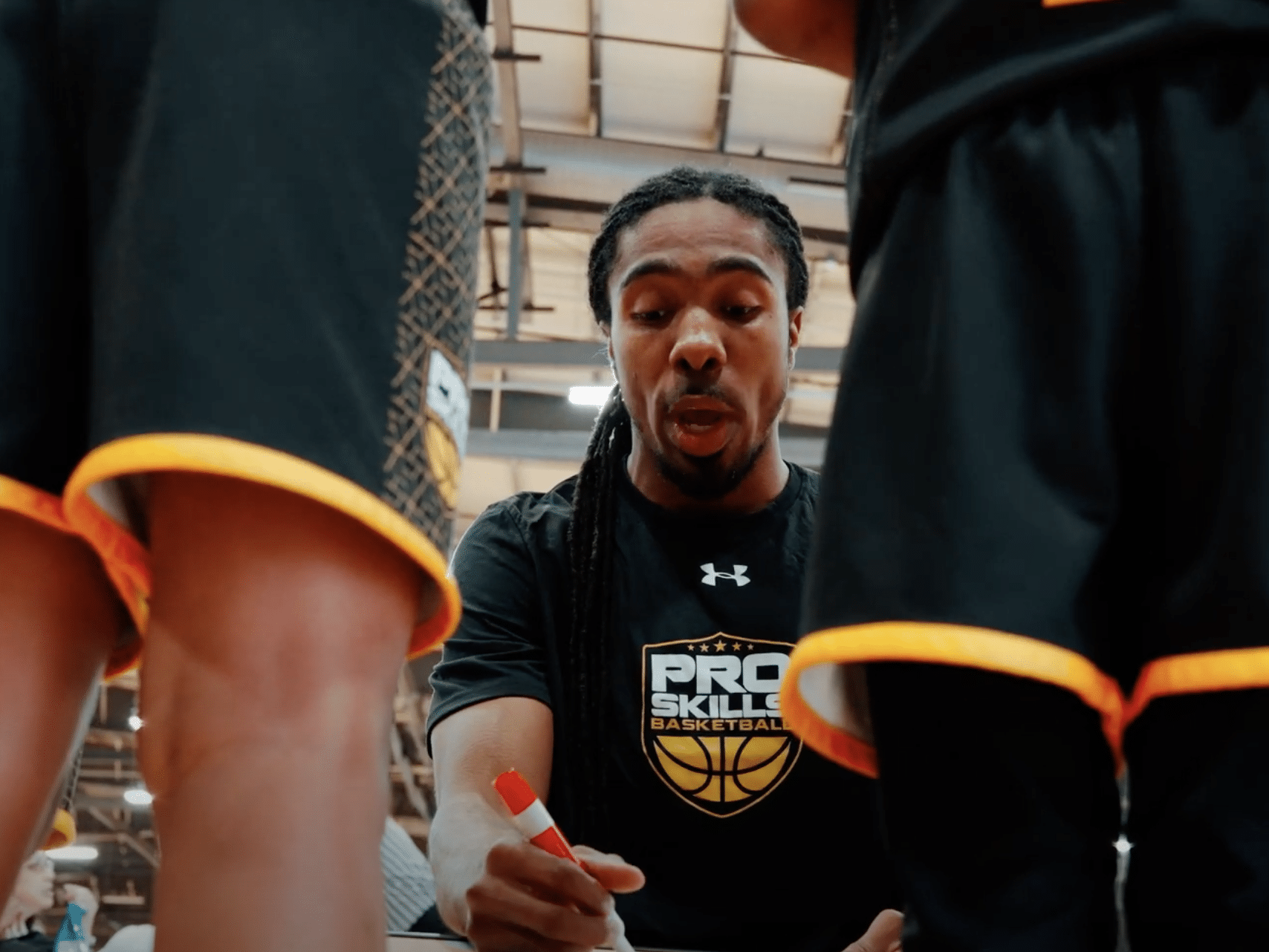
Ask about the coach’s background. Do they have playing or coaching experience? Have they worked with kids at your child’s age level? A good coach doesn’t need to be a former pro, but they should know how to teach fundamentals and run organized practices.
Request a background check. Any reputable program will have completed background checks on all coaches and staff. If they haven’t, that’s a red flag.
Talk to other families. Reach out to parents whose kids have played in the program before. Ask about the experience, the good and the bad. Former players can give you a sense of the culture, too.
Understand the team philosophy. Is the focus on development or on winning right now? How does the coach handle playing time? What’s the practice-to-game ratio? These answers tell you a lot about whether the program is the right fit.
Check the college placement track record. If your child is a high schooler looking for recruiting exposure, ask where former players have gone on to play. A program that consistently helps players find the right college fit is worth its weight in gold.
At Pro Skills Basketball, we practice at least twice per week, we run background checks on every coach, and our philosophy is development first. We’re not trying to win a trophy at 9 years old. We’re trying to build players who are ready to compete when it counts.
What Should Parents Know About AAU Basketball?
Parents play a bigger role in the AAU experience than most realize. Here’s what we’ve seen work after coaching thousands of families through AAU seasons.
Communicate with the coach early. Before the season starts, talk about the schedule, expectations, and the coach’s approach to playing time. Having this conversation up front prevents most of the frustration that builds up later.
Stay off the sideline coaching. Your player already has a coach. When they’re hearing instructions from the bench and the stands at the same time, it gets confusing. Save the basketball conversations for later, and even then, let your child bring it up first.
Cheer for effort, not just results. Instead of asking “How many points did you score?” try “Did you play hard today?” or “What did your coach work on in practice?” It shifts the focus from stats to growth, and that’s where the real development happens.
Model the behavior you want to see. Don’t yell at referees. Don’t criticize other players. Cheer loud, stay positive, and remember that these are kids playing a game. The parents who handle themselves well raise kids who handle themselves well.
At Pro Skills Basketball, we use a Parent Code of Conduct to help set expectations and keep the focus on development and enjoyment. It’s a simple agreement, but it makes a real difference in team culture.
Looking for more on how to make AAU season a great experience? Check out our guide on how to get the most out of AAU basketball season, with tips on goal-setting, tournament prep, and individual skill work.
What Should AAU Coaches Focus On?
Coaching AAU is different from coaching school ball. The season is shorter, the roster may include kids from different schools, and parents tend to be more involved (for better or worse). A few things that help:
Hold a pre-season parent meeting. Set clear expectations about playing time, attendance, communication, and your coaching philosophy. This meeting alone prevents 80% of the conflicts that come up during the season.
Reinforce your team values consistently. Players (and parents) need to hear your philosophy more than once. Talk about it in practice, reinforce it after games, and hold everyone — including yourself — to the same standard.
Prioritize development over your record. Your job is to send players into their next season better than when they started. That means giving kids real minutes, working on weaknesses in practice, and coaching the kids who need it most, not just the ones who are already good.
Ready to Find the Right AAU Program?
AAU basketball can be one of the best experiences in a young player’s life when the program is set up the right way. It comes down to good coaches and a culture that values development over trophies.
Pro Skills Basketball has AAU teams for boys and girls in grades 2nd through 11th across 22 cities nationwide. We practice at least twice a week, compete in weekend tournaments, and our coaches focus on developing players for the long run.
Frequently Asked Questions About AAU Basketball
What does AAU stand for in basketball?
AAU stands for the Amateur Athletic Union, which was founded in 1888 to promote youth sports in the United States. Over time, “AAU basketball” has become a general term for any organized club or travel basketball played outside of the school system, regardless of whether the team is officially affiliated with the AAU organization.
What is the difference between AAU basketball and school basketball?
School basketball is typically played during the winter months and is organized through your child’s school district. AAU basketball is played in the spring and summer on club teams that bring together players from different schools. School ball tends to focus on team systems and structure, while AAU offers more games, exposure to different competition, and opportunities for individual skill development. Many players do both.
How much does AAU basketball cost?
Costs vary widely by program. AAU membership itself is about $20 per year, but team fees can range from a few hundred dollars to several thousand depending on the program level, tournament schedule, and how much travel is involved. You’ll also want to budget for uniforms, tournament entry fees, hotels, gas, and meals on tournament weekends.
What age should my child start AAU basketball?
Most programs offer teams starting in 2nd or 3rd grade. At that age, the focus should be on fun, fundamentals, and learning how to compete. There’s no rush to start early, but getting comfortable with organized team basketball before middle school, when the competition level picks up, can be valuable. Learn more about preparing for AAU season.
Is AAU basketball worth it?
For most families, yes, when the program is the right fit. AAU gives players more reps, higher-level competition, and exposure opportunities they can’t get during school season alone. The key is finding a program that prioritizes development over winning, practices regularly, and has qualified coaches. If those things are in place, AAU is well worth the time and money.
How do I find AAU basketball teams near me?
Start by searching for local club basketball programs in your area. Ask other parents at your child’s school or rec league for recommendations. Look for programs that practice at least twice per week and have a track record of developing players. Pro Skills Basketball has teams in 22 cities across the country for boys and girls in grades 2nd through 11th.
Pro Skills Basketball has been developing youth basketball players since 2012. With over 200 AAU teams across 22 cities, we focus on skill development, competitive play, and building confident young athletes. Check out our camps and clinics for additional training opportunities.

 TOP 5 BASKETBALL DRILLS FOR YOUTH BASKETBALL PLAYERS
 »
»