Key takeaways: Look for a coach who develops players as people first and athletes second. Great coaches teach fundamentals, communicate honestly, stay calm under pressure, and correct mistakes without tearing players down. Watch how a coach responds when a player makes a mistake. Ask about playing time, and treat USA Basketball Youth Coach certification as a meaningful signal.
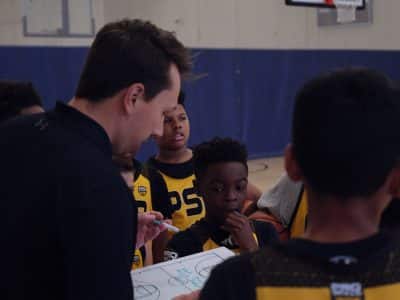
A great youth basketball coach develops players as people first and athletes second. They teach fundamentals, build confidence, and know how to push players without breaking them down. If you want to quickly size up any coach, watch how they respond when a player makes a mistake. That single moment tells you more than any resume.
Finding the right coach for your player is not just about wins. It is about who is shaping how your child thinks, competes, and handles adversity. At most levels of youth basketball, players spend more hours with their coaches than with most adults in their lives. That carries real weight.
Here is what great coaching actually looks like, and what should give you pause.
As of 2025, there are roughly 6.5 million youth coaches in the U.S. Fewer than 1 in 5 are trained in effective motivational techniques, the skills tied to communicating well with young players, according to the Aspen Institute’s Project Play. (source)
Why the Coach Matters More Than the Program
Parents often get caught up evaluating programs: the facilities, the uniforms, the tournament schedule. Those things matter, but they are secondary. The coach is the program.
The same player can thrive or stagnate depending on whose voice they hear every practice. A technically sound coach who lacks patience can do real damage to a young player’s confidence. A coach who connects with players and understands how to develop them can build something special even without elite credentials.
Before you sign your child up anywhere, understand who is actually coaching them and what that person’s philosophy looks like day to day.
“Find a coach who can teach and correct. Development matters more than hype.”
Paul Biancardi, ESPN National Director of Recruiting
5 Things That Separate Good Coaches from Great Ones
1. They Teach the Fundamentals Without Shortcuts
Youth basketball is full of coaches who prioritize winning over development. The result: players who can score in 5th grade but have no real foundation by 9th grade.
Great coaches obsess over the basics: footwork, ball-handling, body positioning on defense, reading the floor. These are the building blocks that determine whether a player has any ceiling at all by the time high school comes around.
Watch practices if you can. Are players running set plays they barely understand, or are they learning to actually play basketball?
2. They Communicate Like Adults
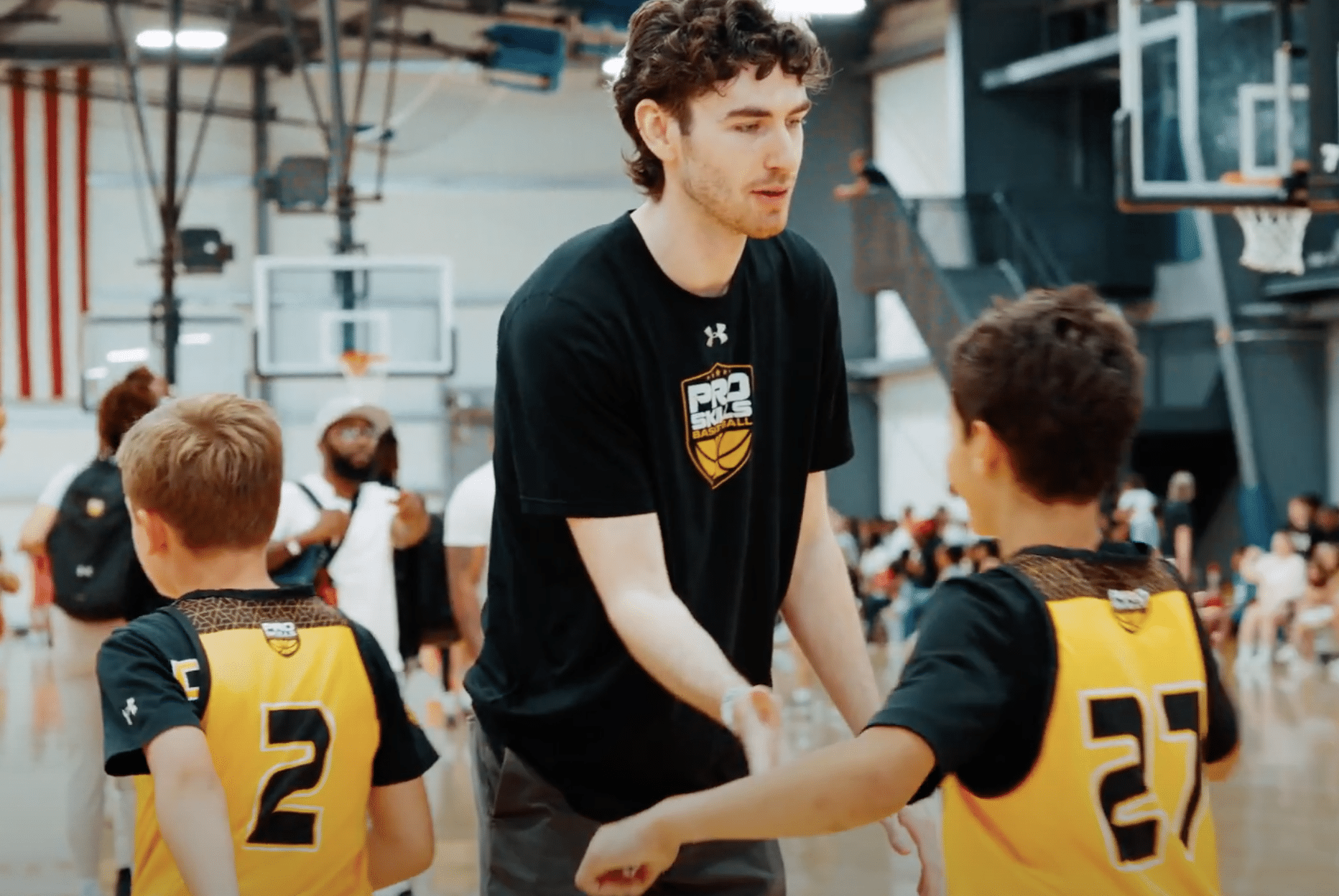
Good coaches talk to players and parents with clarity and honesty. Not just praise when things go well. Real feedback, explanations of what they are seeing, and concrete direction for what comes next.
A coach who cannot articulate your child’s development in specific terms is probably not thinking about it in specific terms. That is worth knowing before you commit.
3. They Stay Calm Under Pressure
Youth basketball can get loud. Parents on the sidelines, close games, players making mistakes in big moments. It is every weekend.
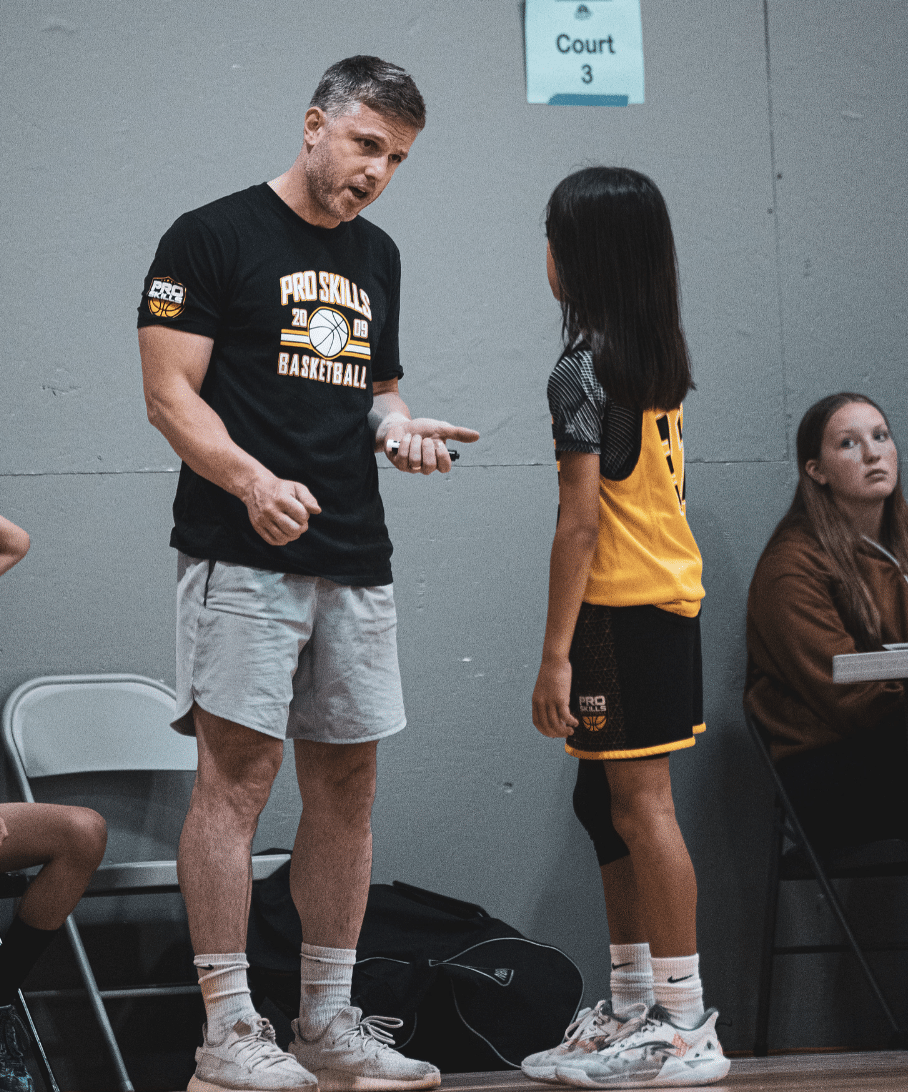
Watch how your child’s coach handles a bad call or a rough stretch. Do they stay composed and redirect players? Players model what they see. A coach who gets visibly rattled or angry is teaching players to respond the same way.
4. They See the Whole Player
The best youth coaches understand they are working with developing humans, not just developing athletes. They notice when a player seems off. They check in. They hold players to high standards while also making sure those players know they are supported.
This is not softness. It is what earns buy-in from players and keeps them competing hard when things get difficult.
5. They Hold Players Accountable Without Tearing Them Down
Accountability and criticism are not the same thing. A great coach can address a mistake, adjust playing time, or give hard feedback without making that player feel small.
The goal is always correction with context: here is what happened, here is how to fix it. Not public embarrassment, not sarcasm, not yelling as a substitute for actual teaching.
If you watch a practice and see players shutting down emotionally after mistakes, pay attention to that.
Warning Signs to Watch For
These are not automatic dealbreakers, but they warrant a closer look.
The coach consistently favors a small group of players. Youth sports are full of coaches who prioritize the players they recruited first or the ones with the most obvious talent today. Every player on a roster deserves real attention and a development plan, not just the top three.
Decisions happen without explanation. Good coaches communicate why. Why a player played fewer minutes. Why a lineup changed. What the team is working toward. If you feel like you are always guessing, that is a pattern worth noting.
Players seem afraid to make mistakes. In a healthy environment, players try things, fail, and try again. In an environment where players fear the coach’s reaction, they play not to mess up. That is the opposite of development.
Winning is clearly the only thing that matters. Ask directly what the coach cares about most. The answer tells you what your player’s next season will actually look like.
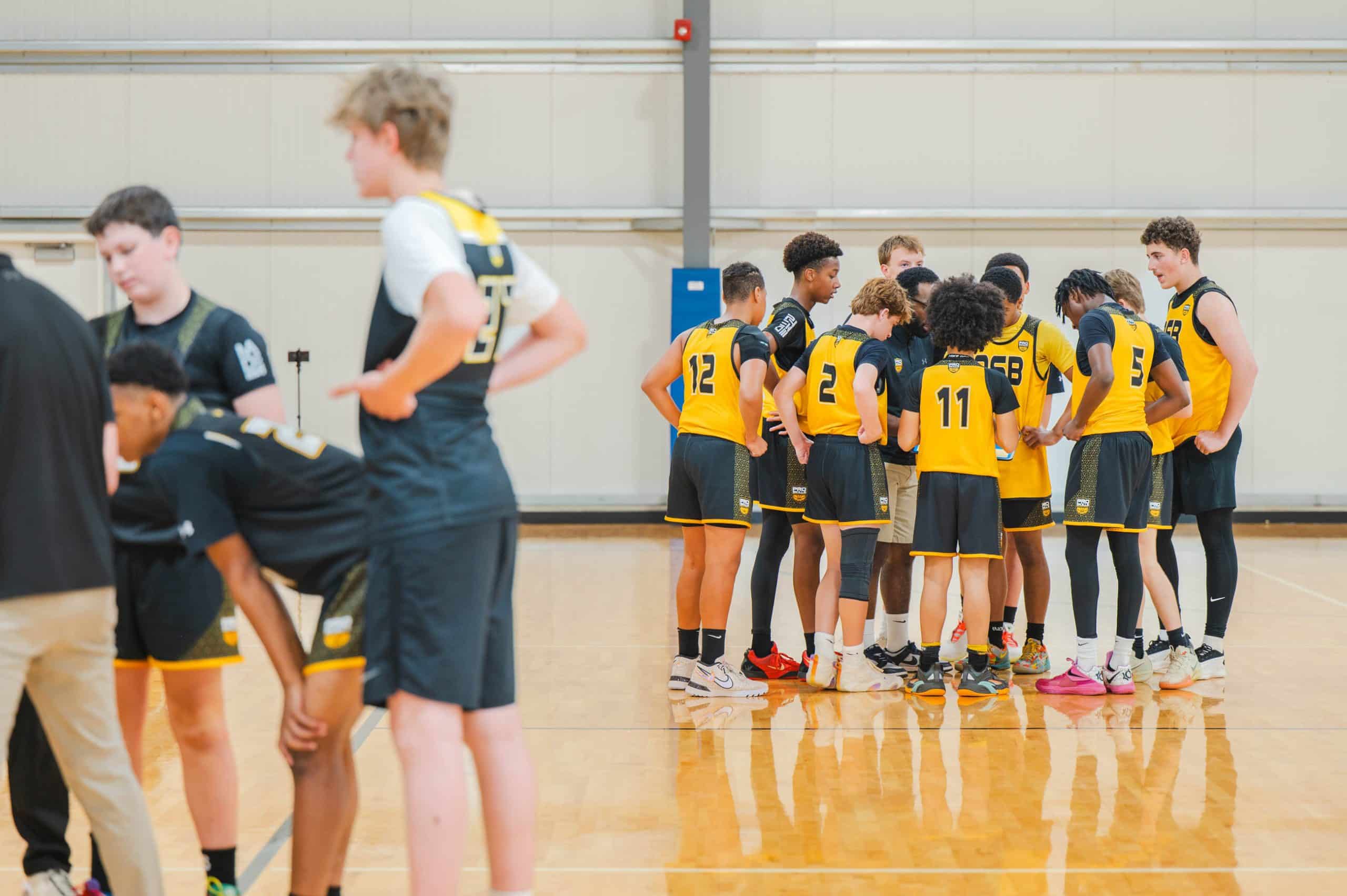
Does Certification Matter?
It does, and not just on paper. USA Basketball Youth Coach certification represents real training in age-appropriate development, player safety, and youth-specific methodology. Coaches who pursue it tend to take their craft seriously beyond just knowing the game.
PSB is a USA Basketball Youth Accredited organization and a Jr. NBA Flagship Network member, designated by the NBA as one of 18 youth basketball organizations in the country. Our coaches go through training and certification standards that most youth programs do not require.
Certification is not a guarantee of greatness, but it is a meaningful signal. Ask any program you are considering what their coaching standards actually are.
Questions Worth Asking Before You Commit
When you are evaluating a coach or program, these questions are worth asking directly:
- How do you make and communicate playing time decisions?
- What does your development philosophy look like in practice?
- How do you communicate with families during the season?
- What certifications do your coaches hold?
- How do you define whether a player had a successful season?
| What you are seeing | Coach worth trusting | Coach worth questioning |
|---|---|---|
| Response to a mistake | Calm, specific correction: here is what happened, here is how to fix it | Yelling, sarcasm, or visible frustration that makes players smaller |
| Playing time decisions | Explains the why and welcomes the question | Dodges the question or leaves families guessing |
| Focus | Develops fundamentals and the whole player | Wins are clearly the only thing that matters |
| Attention across the roster | Every player has a development plan | Consistently favors a small group |
| Communication with families | Honest, specific feedback during the season | Praise only, or silence until something goes wrong |
The answers will tell you far more than any marketing material. A program that welcomes these questions and answers them clearly is worth your attention.
How to Actually Evaluate a Coach
The best way is direct observation. If a program will not let you watch a practice before committing, that is information in itself.
When you do watch, notice how players respond to instruction. Are they engaged or checked out? How does the coach respond to mistakes, calmly and constructively, or reactively? Talk to other parents who have gone through a full season. Ask about development, not just wins and losses.
Also look at the player development content the organization publishes. A coaching staff that invests in education is a staff that thinks seriously about the craft.
The Right Coach Changes the Trajectory
Youth basketball has a way of shaping how young players feel about the game for years, sometimes permanently. A great coach builds that relationship. A poor one can damage it early.
The programs that take coaching seriously, that hire, train, certify, and hold coaches to real standards, are the ones worth finding. If you are still looking for the right fit for your player this spring, we would be glad to help.
Fill out our interest form and a City Director will reach out personally. No pressure, just an honest conversation about what is right for your player.
Frequently Asked Questions
What should I look for in a youth basketball coach?
Look for a coach who teaches fundamentals without shortcutting to plays, communicates honestly with both players and parents, stays calm under pressure, and holds players accountable without tearing them down. Certifications like USA Basketball Youth Coach licensing are a meaningful signal that a coach takes player development seriously.
How do I know if my child has a good basketball coach?
Watch a practice. Notice how the coach responds when a player makes a mistake. If the reaction is calm, specific, and instructive, that is a good sign. If players seem afraid to try things or shut down after errors, that is a red flag. Also talk to other parents who have been through a full season with this coach.
What questions should I ask a youth basketball coach before signing up?
Ask how playing time decisions are made and communicated. Ask what their development philosophy looks like in practice. Ask how they communicate with families during the season, what certifications their coaches hold, and how they define a successful season for a player. How they answer, and whether they welcome the questions, tells you a lot.
Does USA Basketball certification matter for youth coaches?
Yes. USA Basketball Youth Coach certification involves real training in age-appropriate development, player safety, and youth-specific teaching methods. It is not a guarantee that a coach is great, but it is a meaningful signal that they have invested in learning how to coach young players well.
What are red flags in a youth basketball coach?
Consistent favoritism toward a small group of players, making decisions without explanation, players who seem afraid to make mistakes, and a sole focus on winning are all worth taking seriously. None of these are automatic dealbreakers, but any one of them is worth investigating before you commit to a full season.
How important is coaching compared to the program?
The coach is the program. The same player can thrive or stagnate depending on whose voice they hear every day in practice. Facilities, uniforms, and tournament schedules matter less than the person leading development. Evaluate the coach first, and the program second.
Sources

By Brendan Winters, Co-Founder and Chief Growth Officer
Brendan co-founded Pro Skills Basketball in 2009 and is its Chief Growth Officer. At Davidson College he was a two-time All-American and Southern Conference Player of the Year. He then played five pro seasons in France, Germany, Hungary and Greece.

 How to Help Your Player Build Mental Toughness for Basketball