
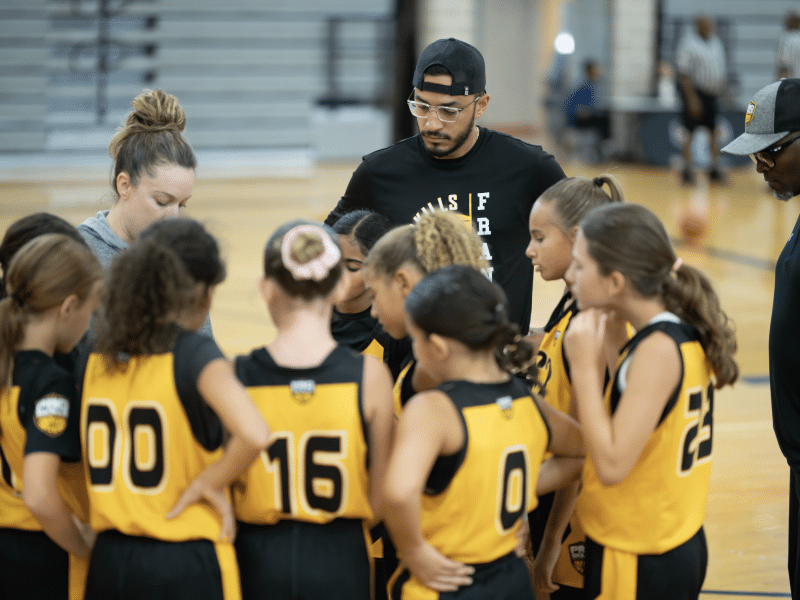
Losing is one of the most useful tools in youth sports, but only when an adult helps the player process it. The fastest way to turn a loss into growth is to shift attention from the scoreboard to the process: effort, communication, and what improved since last week. With roughly 3.6% of high school boys reaching any NCAA basketball roster, the lifelong payoff is resilience, not a stat line.
Last updated: June 2026
Key Takeaways
- Judge the process, not the final score. Ask whether your player competed harder and made better decisions than last week.
- Name small wins out loud and tie them to the work behind them, so effort gets reinforced instead of just outcomes.
- Losing makes people go quiet. Steady, honest communication from parents and coaches keeps a team from spiraling.
- Real comeback stories prove that adversity, handled well, builds players who last.
- Your reaction in the car ride home teaches more than any postgame speech.
Losing is hard. A close game that slips away in the final minute, or a long season with more losses than wins, stings for everyone, players and parents alike. No one signs up to lose. But every competitive season includes setbacks, and what happens after a loss matters far more than the loss itself.
The good news for parents: the lessons buried in a tough game are the ones that stay with a young athlete long after the final buzzer. Here are four grounded ways to help your player turn losing into long-term growth.
Why does losing actually help young players?
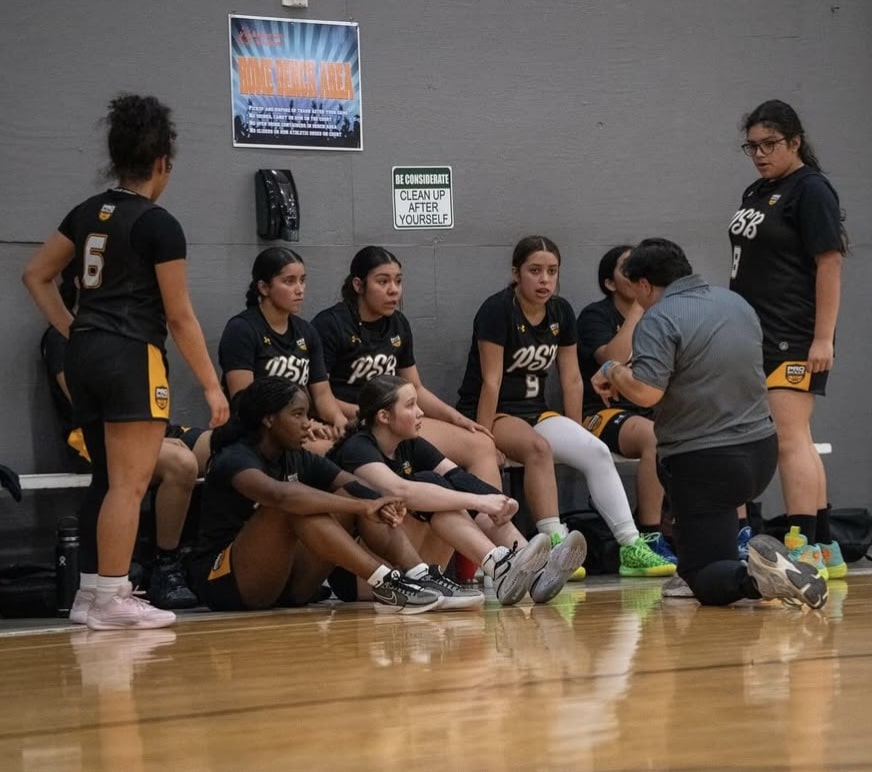
Losing teaches things winning cannot. It exposes weaknesses, forces honest self-evaluation, and builds the resilience a player needs to keep showing up. The Aspen Institute’s Project Play reports that the average age children stop playing organized sports is around 12, often because the experience stops feeling worthwhile. A player who learns to handle losing in a healthy way is far more likely to stay in the game long enough to benefit from it.
That matters because the odds of basketball becoming a career are small. About 3.6% of high school boys play at any NCAA division, and only around 1.1% reach Division I. If the goal is a scholarship and nothing else, most families will end up disappointed. If the goal is a young person who knows how to face hard things, every loss becomes worth something. For families weighing what a serious basketball path looks like, our breakdown of how to play basketball in college puts those odds in honest context.
How do you shift the focus from the scoreboard to the process?
When a team struggles, there is usually more going on than the final score. Players may be young and inexperienced. The coach may still be sorting out rotations. The group may not have learned how to close out tight games yet. None of that shows up in a win-loss record.
Instead of fixating on the result, help your player zoom out and look at the process. Are they getting better week to week? Are they competing harder? Are they keeping their composure under pressure when they used to fall apart?
Ask better questions after the game
Frustration is normal, and handled the right way it can fuel improvement. That is where a growth mindset comes in. Remind your player that setbacks are part of getting better, and steer the conversation with questions like: Did you control what you could control? Are you looking inward to improve, or blaming teammates and officials? Are you ready to quit, or ready to learn? Those questions teach a player to compete with himself first, an idea we dig into further in our guide to learning to compete in basketball.
What is the difference between celebrating effort and celebrating outcomes?
Negativity spreads fast on a losing team, so parents and coaches have to be deliberate about finding what went right, even in defeat. The difference between praising effort and praising outcomes shapes how a young player thinks about the whole season.
| Outcome praise | Effort and process praise |
|---|---|
| “You scored 20, great game.” | “You kept attacking the rim even when shots weren’t falling.” |
| “At least you won.” | “You made more free throws because you’ve been practicing them the right way.” |
| Praise depends on the scoreboard. | Praise depends on things the player controls. |
| Fades the moment the team loses. | Holds up in a win or a loss. |
Look for the small wins and say them out loud. Did the team communicate better on defense? Were there fewer careless turnovers? Did your player show more confidence or hustle than last week? Then connect those results to the work behind them. Tying a made free throw to the reps a player put in teaches that effort drives results.
Staying positive is not soft. Holding a steady, hopeful tone through a hard stretch takes real mental toughness, and children watch how the adults around them respond. If you model resilience, they tend to absorb it.
Why does communication matter most during a losing streak?
Losing makes people withdraw. Players go quiet, coaches get tense, and parents start stewing in the stands. Silence is where a season really starts to spiral. The fix is clear, honest, frequent communication.
If you coach, keep families in the loop. Tell parents what you are working on, what you are seeing, and the plan to improve. When coaches go silent, parents tend to assume the worst. If you are a parent, encourage your player and stay connected with other families in a respectful, supportive way. Remind your child, and yourself, that the team is growing even when the win column does not show it yet. The teams that survive a rough season are the ones where players, coaches, and parents stay unified.
It is worth a quick self-check too. Venting in the car or criticizing the coach in front of your child teaches a very different lesson than you intend. Our list of 10 signs of a basketball parent who has lost perspective is an honest mirror worth holding up after a tough game.
How do comeback stories help a struggling player?
Every athlete faces adversity. What separates the ones who last is how they respond, and real stories make that idea concrete for a young player. They show that a bad loss is not the end of a story, just a chapter.
One of our favorites: in 2018, the University of Virginia became the first No. 1 seed in NCAA history to lose to a No. 16 seed. It was about as crushing a loss as the sport has seen. The next year, the same program won the national championship. Coach Tony Bennett used one idea to frame the entire turnaround, a line his wife had found in a storyteller’s TED Talk.
“If you learn to use it right, the adversity, it will buy you a ticket to a place you couldn’t have gone any other way.”
— a mantra Virginia coach Tony Bennett embraced on the way to the 2019 national title
That is the message to drive home. Losing hurts, but used the right way it becomes a ticket to growth and grit your player could not have earned any other way. The same mindset shows up in our work on how basketball supports child development, where the on-court lessons quietly become life lessons.
Frequently Asked Questions
How should I talk to my child after a tough loss?
Lead with empathy, not analysis. Let your player feel disappointed before you start coaching. When the conversation does happen, focus on effort and decisions rather than the score, and ask questions instead of delivering a verdict. The car ride home is for support, not a film session.
Is it bad to let my player feel upset about losing?
No. Caring about the result is healthy and shows your player is competing. The goal is not to erase the disappointment but to help them move through it productively, so frustration turns into motivation rather than quitting or blame.
When does losing become a real problem?
Losing becomes a concern when a young athlete stops wanting to compete, dreads going to practice, or begins blaming everyone else as a habit. At that point the issue is usually about mindset or environment, not the scoreboard, and it is worth a calm conversation with the coach.
Should I switch teams if my player’s team keeps losing?
Not on the basis of the record alone. Ask whether your player is still developing, still being coached well, and still enjoying the work. A losing season inside a good environment often teaches more than a winning season where a player barely gets off the bench.
How do I help my player build confidence during a losing season?
Anchor confidence to things they control: preparation, effort, and improvement. Celebrate measurable progress and reinforce a steady practice routine, like the habits in our at-home shooting workouts, so confidence grows from real work rather than from the final score.
Sources

 What the WNBA Draft Teaches Girls Youth Basketball
 »
»