Last updated: June 2026
The top five things college basketball coaches actually look for in recruits are skill level, basketball IQ, athletic profile, character, and academics. Talent gets you on the floor. The other four decide whether you stay there. Players who develop all five give themselves the strongest shot at college basketball at any level.
Key Takeaways
- Skill is the entry ticket; everything else decides if you get an offer
- Basketball IQ is what makes a coach trust you for four years
- Athletic profile matters but not as much as players think
- Character signals show up in small moments coaches notice
- Academics either open doors or close them; there is no middle
Why Knowing What Coaches Look For Matters
Most high school players think recruiting is about scoring 30 a game. Coaches see hundreds of scorers a year. What separates recruits is what they do across the full picture: how they play, how they think, how they move, how they act, and how they handle school.
According to the NCAA, only about 3.6% of high school boys basketball players go on to compete at an NCAA school, and just 1.1% reach Division I (NCAA, 2024-25 estimates). (source)
The five categories below are what college coaches actually evaluate when they decide whether to extend an offer. Get strong in all five and your odds go up dramatically.
1. Skill Level
Skill is the entry point. To play at any college level, you need a translatable game.
What coaches look for:
- Shooting: consistent form, range to the college three, ability to shoot off the dribble
- Ball-handling: tight handle under pressure, change of pace, both hands
- Finishing: both hands, contact finishes, decision-making at the rim
- Defense: footwork, on-ball pressure, team defense awareness
- Position-specific skills: passing for guards, finishing for wings, post moves and defense for bigs
Specialization matters at the college level. Coaches recruit specific roles. A do-it-all high school star without a clear college role often gets passed on for a more specialized recruit.
2. Basketball IQ
Skill gets you on the floor. IQ keeps you there.
Coaches evaluate basketball IQ through:
- Decision-making with and without the ball
- Off-ball movement (cuts, screens, spacing)
- Defensive rotations and help-side awareness
- Game management (pace, clock, score, situation)
- How quickly the player adjusts to coaching
High-IQ players make their teammates better. They make their coach’s job easier. That is the kind of player programs invest in for four years.
3. Athletic Profile
Athleticism matters, but not as much as most players assume. Coaches care about:
- Size for the position (height and length, not just height)
- First step and lateral quickness
- Vertical (less than ball-handlers and shooters realize)
- Strength and durability
- How athleticism translates to actual basketball plays
Players who play hard with limited athleticism are recruited every year. Players who are athletic but disengaged often get passed on. Athleticism is a tool. How you use it matters more than the raw measurement.
4. Character
Character is what coaches recruit when they invest a four-year scholarship in a player. It shows up in small moments:
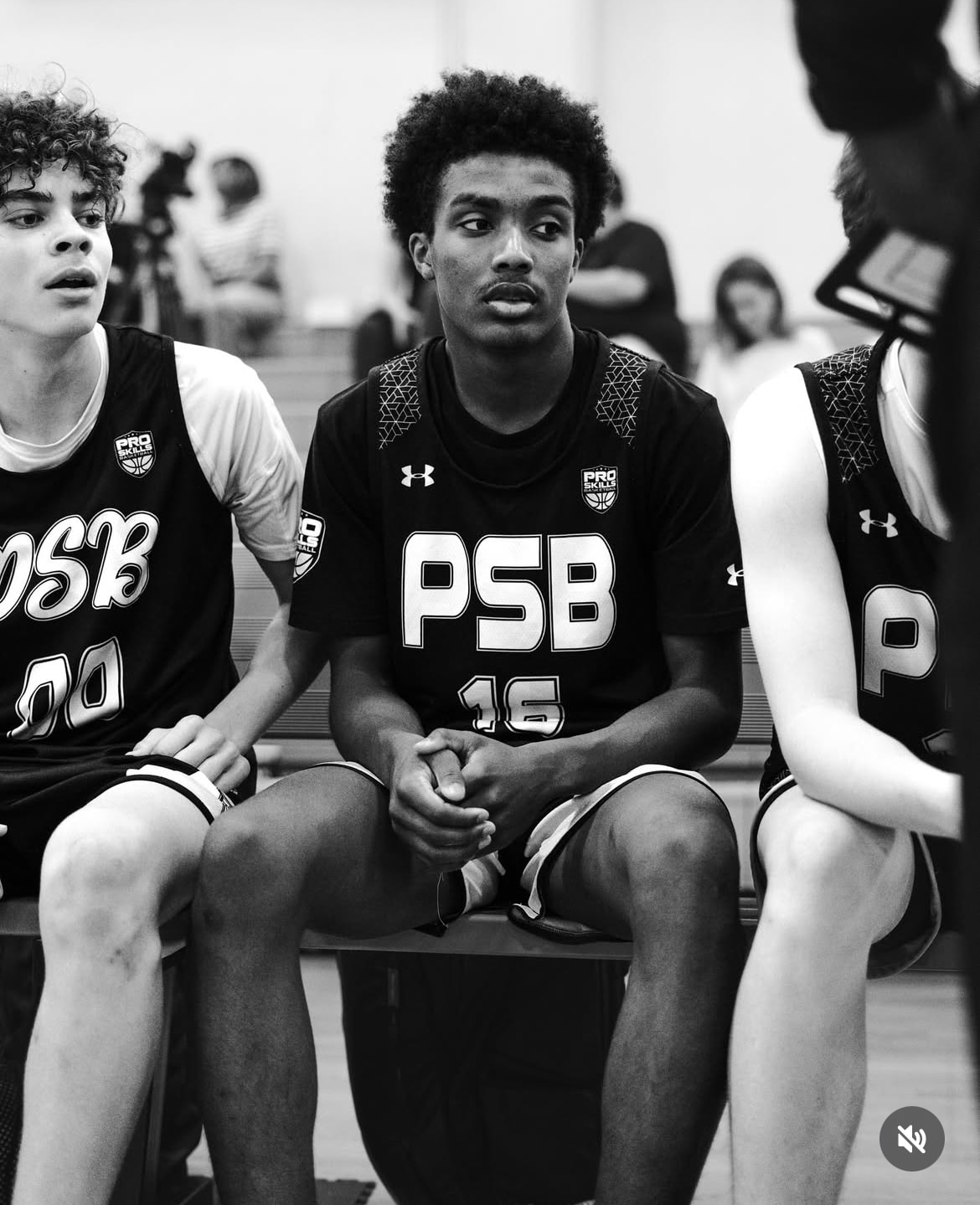
- How you act on the bench when you are not playing
- How you treat teammates after a tough game
- How you handle a bad call from a referee
- How you treat tournament staff, hotel workers, parents
- What your social media looks like
- How coachable you are during evaluations
Coaches talk to high school coaches, AAU coaches, teachers, and family. The character profile they get back weighs heavily. A talented player with character flags often loses out to a slightly less talented player who is rock-solid off the court.
“Character might not get you a scholarship, but a lack of it will definitely prevent one.”
— Paul Biancardi, ESPN National Director of Recruiting
5. Academics
Academics either open recruiting doors or close them. There is no middle.
What coaches look for:
- NCAA eligibility met (core GPA, sliding scale with test scores)
- Grades and test scores that allow flexibility on admissions
- Course rigor (honors, AP, dual enrollment) when possible
- No academic flags from teachers or counselors
For high-academic schools (Ivy League, Patriot League, NESCAC, MAAC), grades do most of the recruiting work. Even at programs without elite academic standards, strong academics give you flexibility, scholarship leverage, and protection if basketball does not work out.
What Other Signals Do Coaches Watch For?
Beyond the big five, coaches also notice:
- Vocal leadership (talking on defense, in huddles)
- Body language after mistakes or tough plays
- Willingness to defend, block out, take charges
- How parents act in the stands and lobby
- How quickly the player applies coaching feedback
None of these are dealbreakers on their own. Together they paint a picture of who the player will be in a college locker room for four years.
Frequently Asked Questions
What’s the most important thing college basketball coaches look for?
It depends on the program and the position, but the most universal answer is “a complete profile.” Coaches want skill plus IQ plus character plus academics. Strength in one without the others rarely gets an offer at any meaningful level.
Do high-major and mid-major coaches look for different things?
Some weighting differs. High-major coaches prioritize elite athleticism and immediate impact. Mid-major coaches often emphasize basketball IQ, character, and four-year potential. Low-major coaches recruit similar to mid-major but cast a wider geographic net.
| Level | What coaches prioritize most | Geographic reach |
|---|---|---|
| High-major | Elite athleticism and immediate impact | National |
| Mid-major | Basketball IQ, character, four-year potential | Regional to national |
| Low-major | Similar to mid-major, broader net | Wide geographic net |
How important is height for D1 recruiting?
Less than most assume. Skilled guards under 6 feet have made D1 rosters. Stretch wings of any height and skilled bigs are recruited. Position-specific skill, athletic profile, and basketball IQ matter more than raw height for most positions.
What if my player has skill but weak academics?
Address academics immediately. Junior year grades, summer school, retake tests, hire tutors. Weak academics close doors that no amount of recruiting can reopen. NCAA Eligibility Center registration should be done by sophomore year.
How can a player improve their basketball IQ for recruiting?
Watch film weekly with a focus. Play in different roles in pickup. Ask coaches for feedback on decisions, not just shots. Learn the why behind every team play. IQ is built through reps and study, just like any other skill.
The Bottom Line
The top five things college basketball coaches look for are skill, IQ, athleticism, character, and academics. Build all five. Skill gets you noticed. IQ keeps you on the floor. Character gets you the offer. Academics keep the door open. The recruits who develop across all five give themselves the strongest path to college basketball at any level.
Pro Skills Basketball runs club teams, camps, and academies in more than 25 cities, with coaches who have played and coached at the high school, college, and pro levels. Our City Directors guide families through the recruiting process with honesty and experience.
Sources

 How to Play Pro Basketball Overseas After College
 »
»