

Division 2 college basketball is high-level, scholarship-backed competition, not a consolation prize. About 3.6% of high school boys basketball players reach any NCAA division and roughly 1.1% reach Division 1 (NCAA, 2024-25), so the talent that does not go D1 fills out deep, competitive D2 rosters.
Last updated: June 2026
Key Takeaways
- D2 basketball is genuinely competitive. D2 teams beat D1 programs in exhibitions every year, and the gap in talent is smaller than most families assume.
- Scholarships are real. D2 programs offer athletic aid plus academic money, and strong students can attend at little or no cost.
- Only about 3.6% of high school boys players reach any NCAA level, so a D2 offer is an achievement, not a fallback.
- Players still reach the pros from D2, including NBA Hall of Famers, the G League, and paychecks overseas.
- Thousands of D1 players enter the transfer portal each year, and many land at D2 schools, which keeps the level of play high.
Plenty of families write off any program below Division 1 before they ever watch one play. That habit costs players real opportunities, and it sets up expectations that the recruiting process rarely meets. At Pro Skills Basketball we have coached players into all three NCAA divisions, and we have watched D2 turn into the right home for athletes who were told it was a step down.
My PSB co-founder Logan Kosmalski wrote a widely read piece on the truth about playing basketball in college, and the same honesty applies here. Below are five things every serious high school player and every parent should understand about Division 2 before locking in a college decision.
Is Division 2 basketball actually competitive?
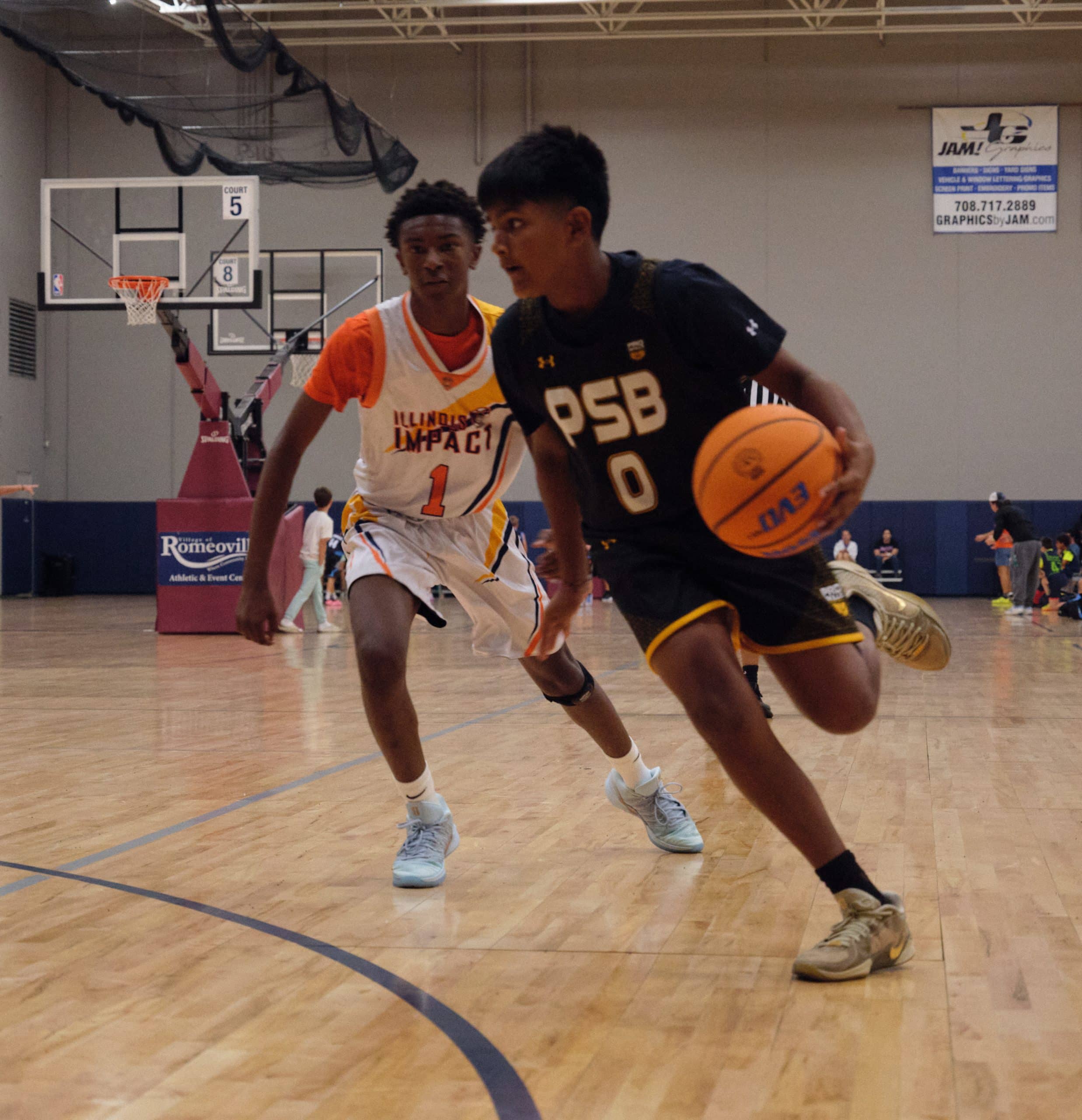
Yes. The quality of play in Division 2 is high, and the talent gap between the bottom of D1 and the top of D2 is narrow. Every season, D2 programs beat D1 teams in preseason exhibitions. Queens University in Charlotte built a reputation for hanging with D1 opponents before the program itself moved up to Division 1, which tells you how thin the line really is.
Scoring tells the same story. In recent seasons, multiple D2 teams have averaged more points per game than the highest-scoring offenses in Division 1. Many D2 schools also have strong facilities, dedicated strength programs, and experienced coaching staffs. If your mental picture of D2 is half-empty gyms and weak rosters, go watch a ranked D2 team in person. The speed and physicality will reset your assumptions fast.
Do Division 2 schools offer basketball scholarships?
One of the most common myths we hear from parents is that D2 does not offer scholarships. It does. Division 2 programs carry fewer full athletic scholarships than Division 1, but they fund real money, and most coaches split that money across the roster as partial scholarships.
The bigger advantage is the mix. D2 athletes can stack athletic aid with academic scholarships and need-based aid. A strong student who is also a capable player can end up paying very little, sometimes nothing, to attend a good school and keep competing. For a lot of families, that combined package beats a partial offer from a more expensive program.
| Factor | Division 1 | Division 2 | Division 3 |
|---|---|---|---|
| Athletic scholarships | Yes, most | Yes, often partial | No (academic and need-based aid only) |
| Level of play | Highest | High | Varies, can be strong |
| Typical playing time as a freshman | Limited | More available | More available |
| Time demands | Heaviest | Moderate | Most balanced |
Can my player just choose D2 if D1 does not work out?
Not the way most people think. The assumption that a player can simply drop down to D2 if D1 offers do not come ignores how competitive D2 has become. Out of more than one million high school boys and girls who play basketball, only about 3.6% of boys go on to play at any NCAA level, and only about 1.1% reach Division 1 (NCAA, 2024-25).
The talent that does not go D1 does not vanish. It flows into D2 and D3 rosters, which is exactly why those programs are deep. Schools like Lincoln Memorial, Augusta, and West Liberty field rosters full of long, skilled, physically mature players. The honest question for any recruit is not whether D2 is good enough for them. It is whether they are ready to compete against players who were once D1 targets themselves. Understanding what college coaches look for in recruits matters at every level, D2 included.
Can you go pro from Division 2 basketball?
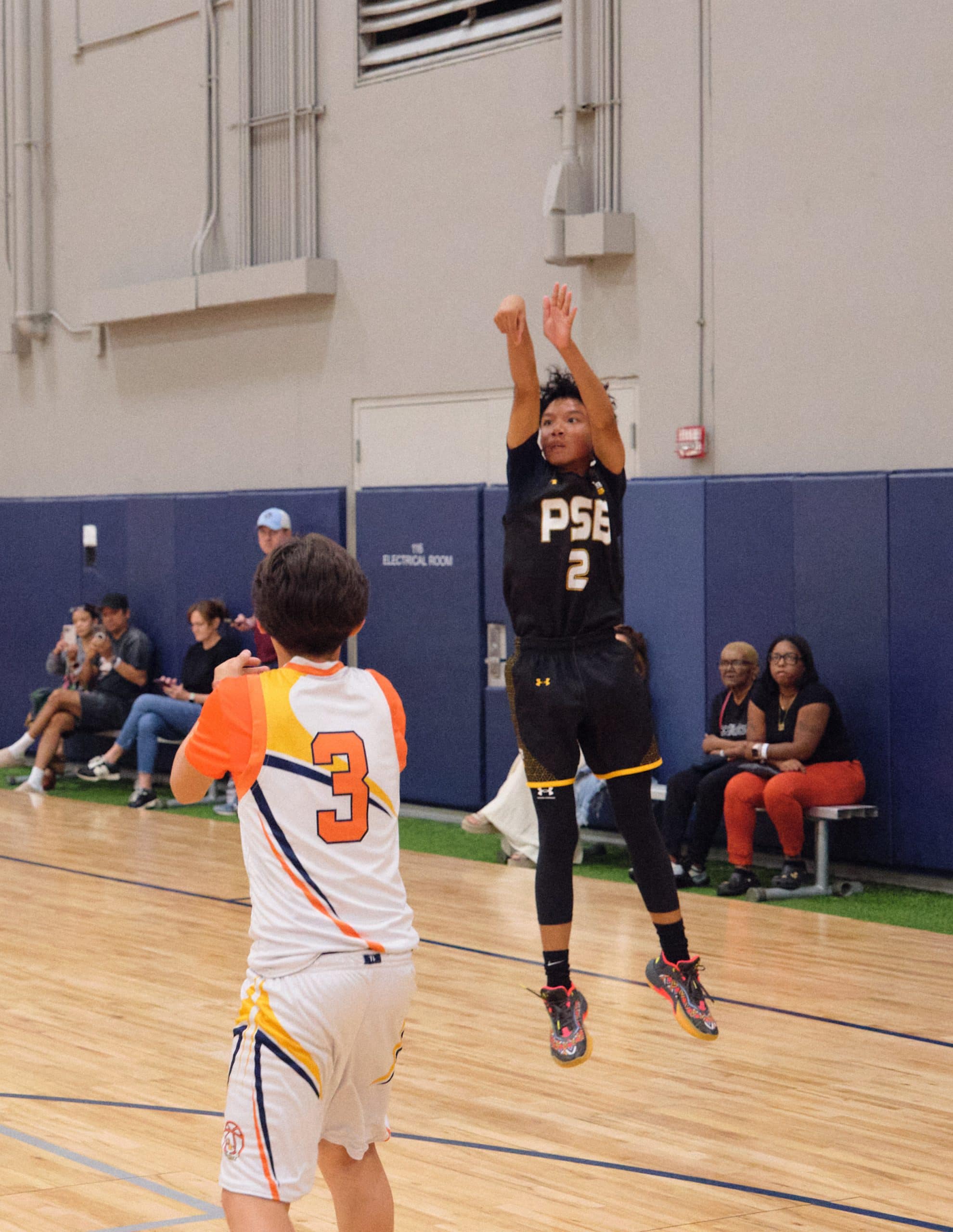
Yes. The idea that a D2 school closes the door on a pro career is wrong. Scottie Pippen, Dennis Rodman, and Ben Wallace all came out of small-college programs before long NBA careers, and they are not isolated cases. D2 players regularly turn pro overseas, in the G League, and across other paid circuits around the world.
Sometimes D2 is the better development path, not the lesser one. More playing time, more touches, and a bigger on-court role can do more for a prospect than three seasons buried on a high-major bench. A player who carries a real scoring load in college walks into pro tryouts with proof he can produce.
“The market will find you. But you do need to play outside your local area.”
— Paul Biancardi, ESPN National Director of Recruiting
How does the transfer portal affect Division 2 basketball?
The transfer portal has made D2 rosters even stronger. More than 2,000 Division 1 men’s basketball players entered the portal in a single recent cycle, the highest total in NCAA history, and that number has stayed high since. A meaningful share of those players land at D2 schools.
The reason is simple math. A D1 roster might carry a full complement of scholarship players, but only seven to nine get steady minutes. Talented players who are stuck at the end of the bench often decide that another D1 move will not fix the problem, so they choose a D2 program where they can play right away and matter. That steady inflow of experienced talent is one more reason D2 is a real destination, not a backup plan. Families navigating recruiting at any level should know how to email college coaches the right way.
Frequently Asked Questions
How many scholarships do Division 2 basketball teams have?
Division 2 programs carry fewer full athletic scholarships than Division 1, and coaches typically divide that money into partial scholarships across the roster. Most D2 athletes combine athletic aid with academic and need-based aid, which can lower the cost of attendance significantly.
Is Division 2 basketball better than Division 3?
D2 generally plays at a higher overall level and offers athletic scholarships, which D3 does not. That said, the top D3 programs are strong, and D3 can be the right fit for players who want a more balanced college experience. The best choice depends on the player’s goals, the specific schools, and the financial picture.
Can a Division 2 player transfer to Division 1?
Yes. Players move between divisions through the transfer portal in both directions. A D2 player who produces at a high level can draw D1 interest, just as D1 players regularly transfer down to D2 for a larger role.
What are the academic requirements for Division 2 basketball?
Division 2 has its own NCAA Eligibility Center standards covering core courses, GPA, and test scores. Requirements change over time, so families should confirm current rules directly through the NCAA Eligibility Center before senior year.
Is a Division 2 scholarship worth it?
For many families, yes. A D2 offer can mean meaningful playing time, real financial aid, and a genuine path to pro basketball, all while earning a degree. Given that only about 3.6% of high school boys players reach any NCAA level, any college roster spot is an accomplishment worth taking seriously.
Sources
Division 2 is not a consolation prize. It is a serious, competitive, rewarding level of college basketball that can lead to a degree, a scholarship, and even a pro career. If your player earns a D2 opportunity, take it seriously, and start building toward it now with coaching and competition that prepare them for the next level.

 10 Best At-Home Youth Basketball Drills