
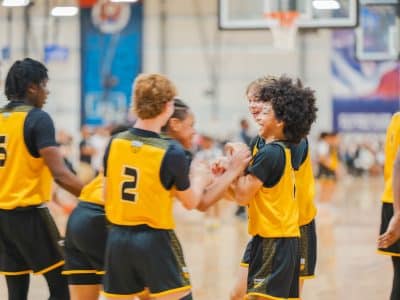
Parenting in competitive youth sports means holding two truths at once: you care deeply, and you cannot control your child’s playing time, coach, or confidence. Only about 3.6% of high school boys basketball players go on to play in the NCAA (NCAA, 2024-25), so your steady support, not the scoreboard, is what lasts.
Last updated: June 2026
Key Takeaways
- Every sports parent reaches a crossroads where deep care collides with a real lack of control over minutes, roles, and coaching decisions.
- Discomfort and danger are not the same thing. One asks you to support; the other asks you to intervene.
- Reacting to every hard moment as a threat removes the adversity that builds resilience and self-awareness.
- The most useful skill is discernment: knowing when your child needs space and when they need you to step in.
- With roughly 1.1% of high school players reaching NCAA Division I, your lasting job is to be a foundation, not a fixer.
There is a moment every parent of a young athlete reaches that feels like a fork in the road. On one side sits your love for your child. On the other sits the plain reality that you cannot control their experience. You cannot control whether they start or win. You cannot control their minutes. You cannot control how a coach sees them, or how their confidence swings from one game to the next.
That tension, caring deeply while feeling powerless, is one of the harder parts of raising a competitive young athlete. It is also one of the most useful. How you handle this crossroads shapes your child and your relationship with them far more than any box score.
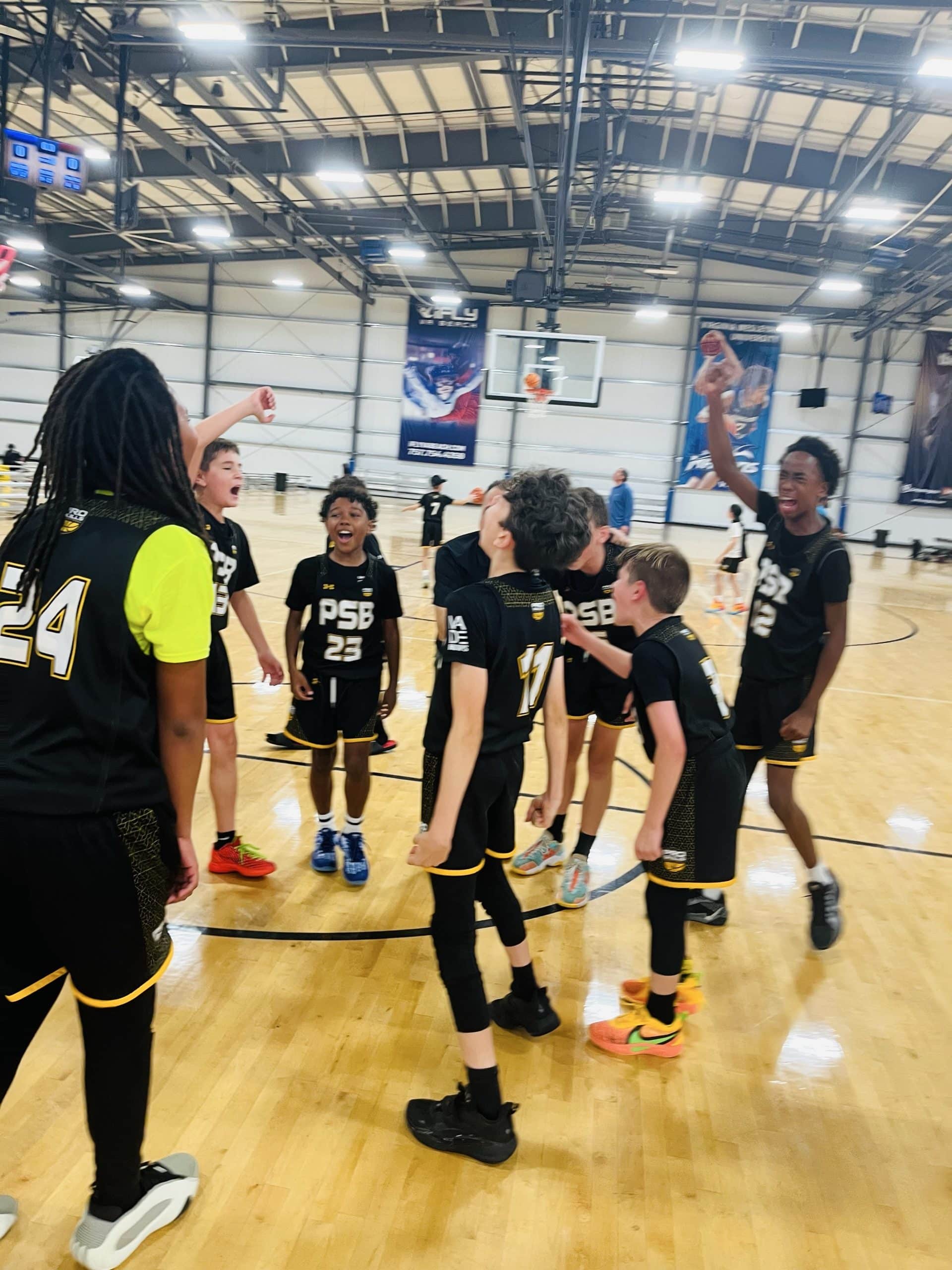
What happens at the crossroads?
When care and powerlessness collide, many of us slide into self-protective habits. We get frustrated. We get emotional. We overstep with coaches, directors, other parents, our spouse, sometimes our own child. We reach for control, hoping to help, and we add pressure instead.
The reason is simple: we care. That is the right starting point. But care that goes unchecked by reflection can curdle into control and reactivity. What you do at this crossroads matters, for your child and for the trust between you.
Hold two opposing truths at the same time
Parents are asked to do something genuinely hard: hold two truths together.
- “I care deeply.”
- “I cannot control this.”
When you let both be true at once, you become what your child needs most. Not the rescuer. Not the fixer. Their foundation. A steady presence when they struggle, a calm voice when emotions rise, a safe place to land and process and grow. That is not weakness, and it is not giving up. It is the harder, stronger version of the job.
How do you parent on offense and defense at the same time?
My wife and I live this daily. As basketball and soccer parents, we have ridden the full ride. We have seen great games, tough losses, calls that went the wrong way, hard coaching, decisions we did not like, and plenty of quiet car rides home.
What we keep learning is that our son and daughter need different things at different times. Sometimes they need space to sit with disappointment and work through it without our input. Other times they need a hug, an open ear, a moment to vent, a little quiet solidarity. In the moment, it is hard to tell which is which. We have gotten it wrong plenty.
Here is what made it click. It is no different from what we teach players on offense. Sometimes the ball needs help. Sometimes the ball needs space. The skill is reading which moment you are in. Parents need that same feel: when to step in, when to step back, when to say something, when to simply be there.
Over time, that read has helped us understand how our children process, what questions they respond to, and when silence is the better answer. They have learned to communicate more clearly too:
- “I’m upset, but I just need time.”
- “Can I talk to you about that subbing decision?”
- “I don’t need advice, I just want to feel heard.”
They have learned to name emotions instead of fearing them. We have learned to trust the process instead of fearing the discomfort. If you want a fuller picture of why steady parenting matters more than results, our piece on the benefits of basketball for child development is a good companion read.

What is the difference between discomfort and danger?
One of our biggest breakthroughs was learning this: discomfort and danger are not the same thing. In youth sports, they often feel the same. Your child is crying after a bad loss. They got benched. They are frustrated with their role, their teammates, or how they are playing. They are not having fun. Everything in your body says, “Fix it.”
But discomfort is not always a problem to solve. Often it is something to be felt, understood, and grown through. When we treat every uncomfortable moment as a threat, we remove the exact adversity that builds resilience and self-awareness, the same adversity that shaped who we are as adults.
| Situation | Discomfort (support, do not solve) | Danger (step in) |
|---|---|---|
| Less playing time | Disappointment over minutes or a role | Repeated, targeted mistreatment |
| Hard coaching | Demanding standards and direct feedback | Demeaning or humiliating treatment |
| Tough loss | Frustration, tears, a quiet car ride | Lasting signs of anxiety or withdrawal |
| Physical strain | Normal soreness and fatigue | Pain or injury that needs care |
Danger says, “My child is unsafe, I need to intervene.” Discomfort says, “My child is struggling, I need to support, not solve.” One deserves action. The other deserves presence. The skill is being the parent who can tell them apart. If safety is the real concern, our guide on preventing youth sports injuries covers the physical side.
Why does this matter at PSB?
At Pro Skills Basketball, we are working to build better people, young athletes who can handle adversity, work through hard moments, and grow from them. That learning cannot only happen on the court. It happens in the car ride home, in quiet conversations, after missed shots and calls that did not go their way, in emotions that do not come with tidy solutions.
When parents understand the crossroads and let care coexist with a lack of control, they support the whole process, not just the result. That is where resilience comes from.
It is worth remembering the math behind all of this. About 3.6% of high school boys basketball players reach any NCAA division, and roughly 1.1% reach Division I (NCAA, 2024-25). Aspen Institute research found that one in ten sports parents still believe their child will go pro.
The lasting value of these years is not the scholarship odds. It is who your child becomes.
“What makes me a great coach is I know how to meet people where they are to take them where they need to go.”
— Dawn Staley, on the Finding Mastery podcast
That line applies to parents too. Meeting your child where they are, on the day they are having, is the whole job. For more on the mindset side of competing, see our piece on learning to compete.
The pause that changes everything
Next time your child walks off the court upset, or you feel the tension rising in your chest, try one thing. Pause. Then ask yourself, “Am I reacting from fear, or responding from care?”
That single pause can change everything. It helps you show up from love instead of ego, from steadiness instead of impulse, from trust instead of control. Your child will feel it, remember it, and grow because of it.
Let us be the parents who hold the tension well, who turn care and powerlessness into something useful, who show up consistently and presently rather than perfectly. Let us walk this journey beside our children, helping them grow strong enough to walk it themselves.
Leave it all on the court.
Chris Goodrum, COO, Pro Skills Basketball
Listen to an audio version of this post.
Frequently Asked Questions
How do I support my child without coaching from the sideline?
Separate your role from the coach’s. After a game, lead with connection rather than critique. A simple “I love watching you play” lowers the pressure. Save technical feedback for the coach, and let your child bring up basketball when they are ready instead of opening the car door with a breakdown of their mistakes.
What should I say after a tough loss or a hard game?
Often the most helpful response is the shortest. Acknowledge the feeling, then offer presence: “That was a frustrating one. I’m here whenever you want to talk.” Resist the urge to fix or analyze in the first few minutes. Many young athletes need quiet before they are ready to process.
When should I actually talk to the coach?
Address true safety, well-being, or clarity concerns directly and calmly. Avoid intervening over playing time or a single decision, which falls under discomfort your child can learn to navigate. When you do reach out, ask questions instead of making demands, and model the same composure you want your child to show.
How do I keep my child from quitting when sports get hard?
Some struggle is normal and healthy. Help your child name what is hard, separate a bad stretch from a permanent feeling, and reconnect with why they started. If frustration is rooted in discomfort rather than danger, working through it builds the resilience that outlasts any one season. Our guide on learning from losing can help.
Is it normal to feel this much stress as a sports parent?
Yes. Caring deeply while having little control is genuinely hard, and most parents feel it. The goal is not to stop caring but to channel that care into steady support. The pause, asking whether you are reacting from fear or responding from care, is a reliable reset in the moment.
Sources

 Quick Basketball Skill Maintenance Workout (30-45 Min)