

To find the right AAU basketball team, match the program’s mission to your family’s goals, then vet the coaches, practice structure, game schedule, and total cost. Fit matters more than reputation: only about 3.6% of high school boys go on to play any level of NCAA basketball, so day-to-day development and enjoyment should drive your choice.
Last updated: June 2026
Key Takeaways
- “AAU” is now shorthand for almost any competitive club or travel team, so look past the label and judge each program on how it actually operates.
- Start with mission and values. A program built to develop players over years feels different from one built to win this weekend’s tournament.
- Coaching quality is the single biggest factor in your player’s experience. Ask about training, background checks, and how coaches handle conflict.
- Practices, not games, are where skills are built. Teams that practice with structure twice a week develop players faster than tournament-only teams.
- Know the full cost and what it covers before you commit, and ask whether financial aid or payment plans exist.
Choosing an AAU or travel basketball team is one of the bigger decisions you will make in your player’s youth sports years. There are more club options than ever, and the marketing around them can make every team sound the same. This guide breaks down what actually matters so you can pick a program that fits your player’s development, enjoyment, and long-term goals.
Keep one number in mind as you decide. According to the NCAA, only about 3.6% of high school boys basketball players go on to compete at any NCAA division, and roughly 1.1% reach Division I. The odds say the lasting value of a team is the player your child becomes, not a scholarship. Pick the program that develops the person, and the basketball takes care of itself. If you want the full background on travel basketball, our AAU basketball guide covers the format in depth.
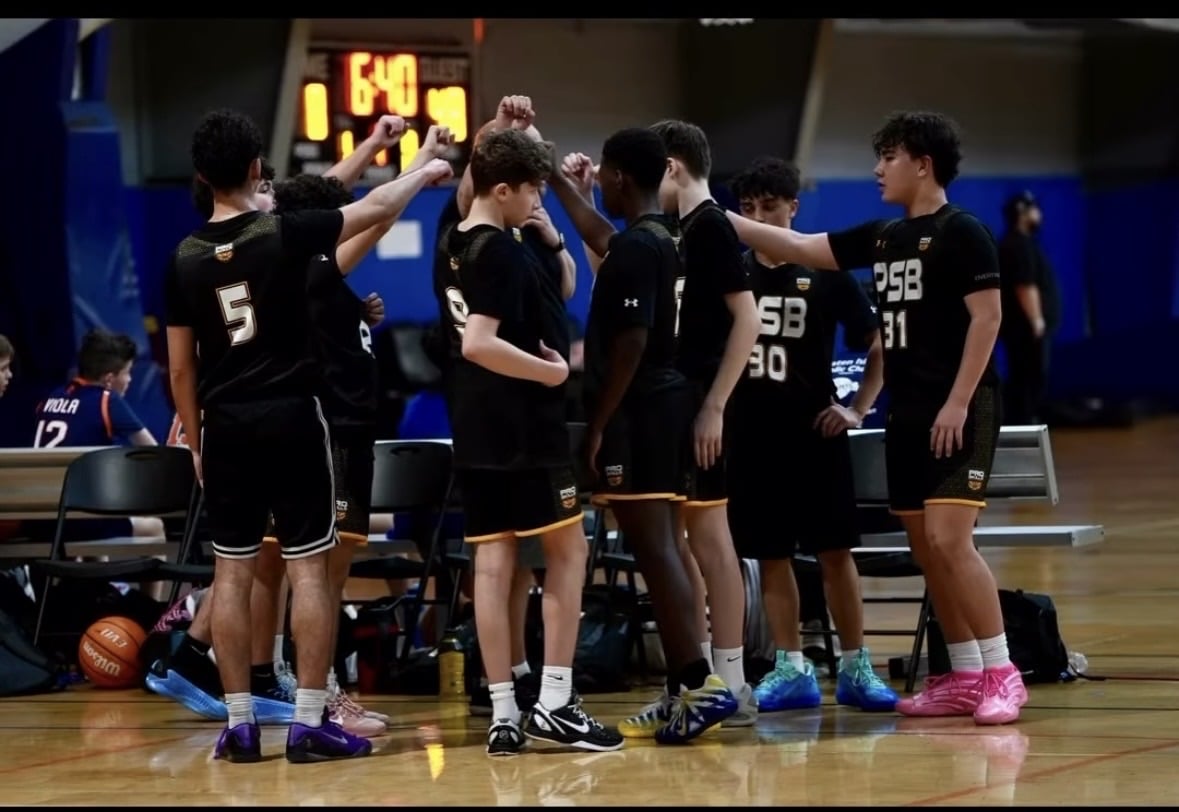
What does “AAU basketball” actually mean?
AAU stands for Amateur Athletic Union, but the term is now used generically for most competitive youth basketball outside of school teams. Club teams, travel teams, and grassroots programs all get lumped under “AAU,” the same way “Kleenex” came to mean any tissue. For this guide, we use “AAU basketball” as a catch-all for travel or club basketball.
That matters because two teams calling themselves AAU can run completely differently. One might practice twice a week with trained coaches and a local schedule. Another might never practice and fly across the country every weekend. The label tells you almost nothing. How the program operates tells you everything.
How do you judge a program’s mission and values?
This is the first thing to evaluate, because everything else flows from it. You want a program whose stated purpose lines up with what you and your player care about most.
Questions worth asking
- Does the team have a clear mission statement, and do the coaches live it?
- Is the focus on player development or on winning this weekend?
- Does the program emphasize fun and friendship, or national exposure and competition?
- What kind of culture does the organization promote day to day?
- Is playing time earned, or distributed evenly across the roster?
At Pro Skills Basketball, our mission is to help players improve on the court and grow off of it. We focus on long-term development, life lessons, and high-quality coaching rather than stacking rosters to win trophies. That model is not right for every family, and that is fine. The goal is to know what you want and choose accordingly.
What should you look for in the coaching staff?
Coaches shape your player’s experience more than any other single factor. A strong coach can make an average roster a great year. A poor one can make a talented team miserable.
What to ask about coaches
- Are they experienced and knowledgeable about the game and about this age group?
- Are they positive role models on the bench and in the huddle?
- Are they parents of players on the team, which can create favoritism?
- How do they handle in-game emotion and conflict?
- Have they passed background checks and earned coaching certifications?
At PSB, we prioritize non-parent, trained coaches who pass background checks and complete our certification, including a child safety course and USA Youth Basketball licensing. If your player is older and recruiting is on the horizon, ask whether coaches understand what college coaches actually look for, because that knowledge shapes how they coach and advise.
“Practice with the purpose to improve. Play to win. And above all, be a person of high character.”
— Paul Biancardi, ESPN National Director of Recruiting
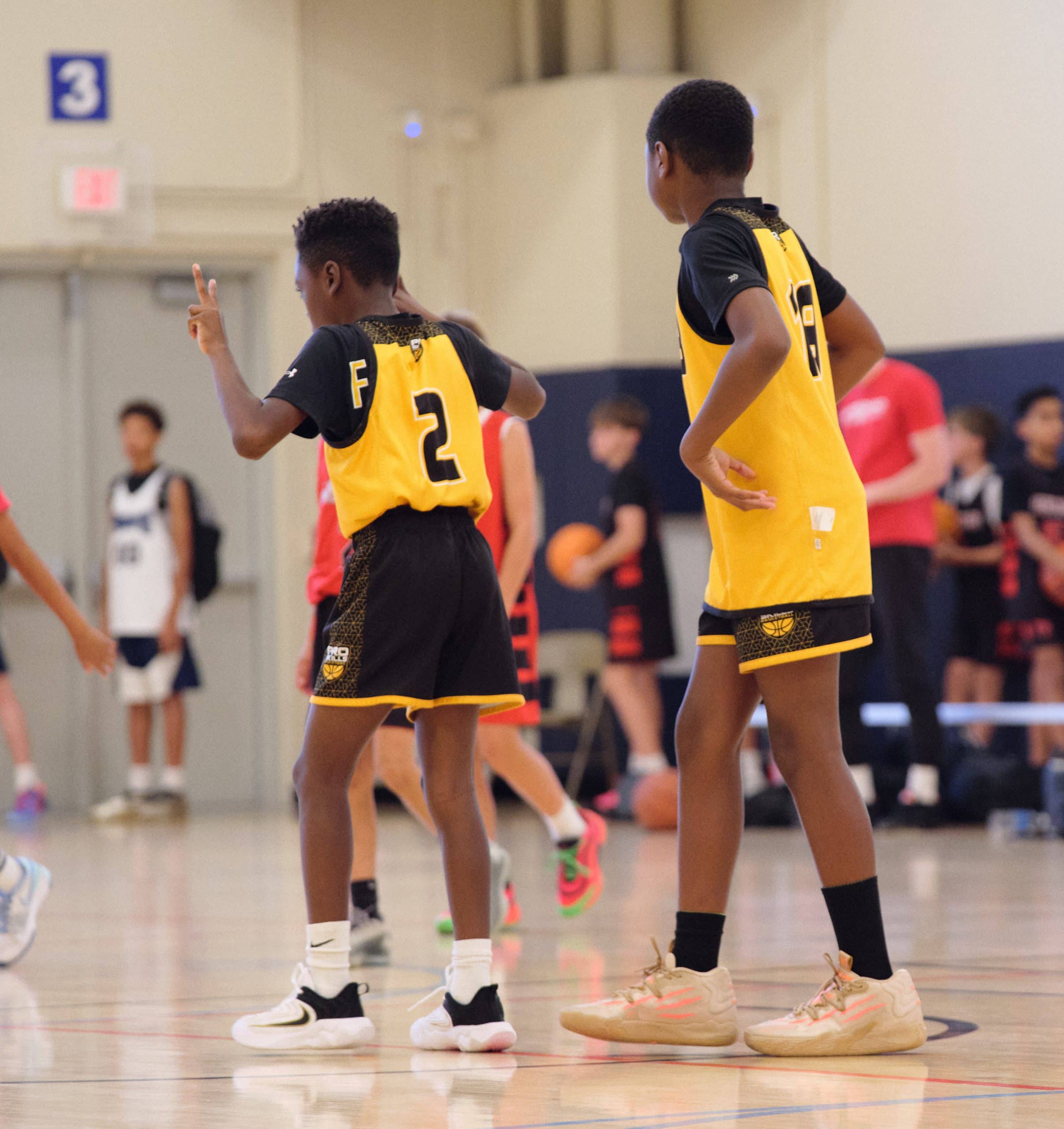
Why do practices matter more than games?
Games are visible and fun, but practices are where skills are built. Many AAU teams either do not practice or run unstructured sessions that amount to scrimmaging with no teaching. That is a problem, because repetition with feedback is how players actually get better.
What to ask about practices
- How often does the team practice each week?
- How is a typical practice structured?
- Is there a balance of skill work, scrimmaging, and situational reps?
- Is attendance expected and enforced?
At PSB, our teams practice twice per week, and every session includes skill development and purposeful team concepts to prepare players for both games and the next level. When you visit, watch a practice if you can. Twenty minutes on the sideline tells you more than any pitch.
How do you evaluate the game schedule?
Families often focus on how many games a team plays. The better questions are about the type, quality, and travel demands of those games. More games are not automatically better, especially for younger players.
What to ask about the schedule
- Are games league-based, tournament-based, or a mix?
- Are events local, regional, or national?
- Is there college recruiting exposure, and is it age-appropriate?
- How often does the team travel out of town, and at what cost?
Our PSB middle school teams mostly play locally to protect development time and family weekends. Starting around 10th grade, our showcase teams attend NCAA-certified events so older players get appropriate recruiting exposure. If your player is at that stage, our overview of the college recruiting process explains where exposure fits in.
What does a good AAU team cost, and what should it include?
Team fees vary widely, and price alone tells you little. What matters is what the fee covers and whether the value matches the number. Travel-heavy programs can cost several times what a local development program does once flights and hotels are added.
| Factor | Development-focused program | Tournament-heavy program |
|---|---|---|
| Practice | Structured, usually twice a week | Minimal or unstructured |
| Travel | Mostly local, regional for older teams | Frequent, often out of state |
| Coaching | Trained, background-checked, non-parent | Varies widely, often parent volunteers |
| What fees cover | Coaching, gym time, uniforms, events, insurance | Often tournament entry only; travel extra |
| Best fit for | Players building skills over time | Older players chasing maximum exposure |
What to ask about cost
- What are the total team fees for the season?
- What is included: uniforms, tournaments, practice time, insurance?
- Are travel costs separate, and how much should you budget?
- Is financial aid or a payment plan available?
At PSB, our fees cover coaching, practice space, uniforms, insurance, and tournament costs, and we offer financial aid for families who need it. Ask any program to put the full cost in writing before you commit.
What else should parents weigh before committing?
Beyond coaching, practices, games, and cost, a few final signals tell you whether a program is well run:
- Is the organization responsive when parents have questions?
- Is communication clear and consistent throughout the season?
- Do they help older players navigate recruiting?
- Are expectations spelled out clearly from the start?
One more thing worth keeping in perspective: youth sports participation in the U.S. rose to 58% in 2024, but children are specializing in a single sport earlier than they used to. A program that values your player as a whole person, not just a year-round basketball asset, tends to produce kids who stick with the game and enjoy it longer.
Frequently Asked Questions
What age should my child start playing AAU basketball?
Many programs begin around third or fourth grade, but there is no rush. For younger players, look for local teams with structured practices and limited travel. The goal at that age is skill development and a love of the game, not a packed tournament schedule.
How many practices per week is normal for a good team?
A development-focused team typically practices twice a week with a clear structure that blends skill work and team concepts. Teams that rarely practice, or only scrimmage, leave skill development to chance.
Is more travel and more tournaments better for my player?
Not for most younger players. Heavy travel raises cost and burnout risk without guaranteeing better development. Recruiting-focused, NCAA-certified events make sense for older high school players. For more on that stage, see our guide to playing basketball in college.
How much does AAU basketball usually cost?
Costs range widely depending on travel and what fees include. Always ask for the total season cost in writing, confirm what is covered, and find out whether financial aid or payment plans are available.
Will AAU basketball help my child earn a college scholarship?
It can help with exposure for older, talented players, but the odds are long: only about 3.6% of high school boys reach any NCAA division. Choose a team for the development and experience it offers, and treat recruiting as a possible bonus rather than the goal.
Sources

 6 Real Benefits of AAU Basketball for Players
 »
»