
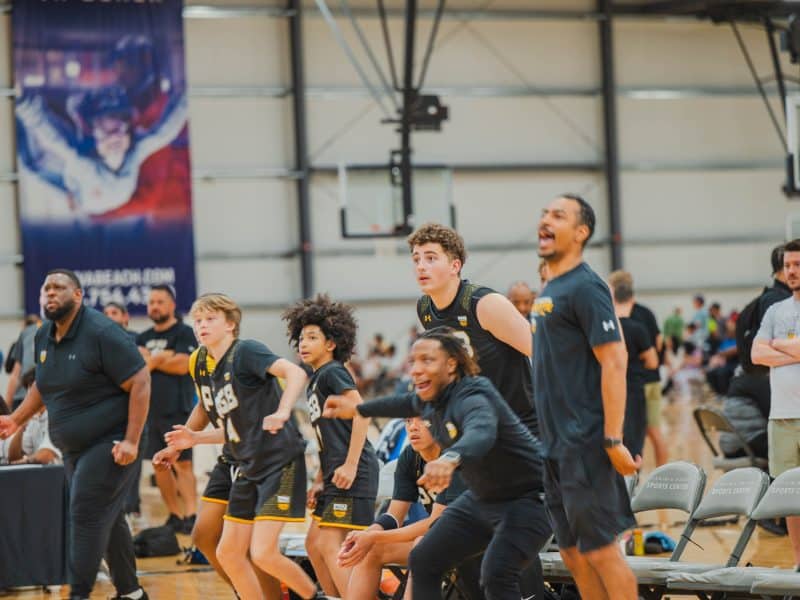
Exposure and elite college basketball camps offer high school players a chance to be evaluated by college coaches in a concentrated, multi-day setting. Their value depends on three things: the level of coaches actually attending, the player’s readiness to perform there, and the family’s clarity about what success looks like. Done right, they accelerate recruiting. Done wrong, they are a five-figure summer with little to show for it.
According to the NCAA (2024-25 data), about 3.6% of high school boys basketball players go on to compete at an NCAA school, and just 1.1% reach Division I, which is why choosing the right exposure camp matters so much. (source)
Last updated: June 2026
Key Takeaways
- Exposure camps are about who is watching, not just who is playing
- Elite camps work best for players who are already getting coach interest
- One well-chosen camp beats three random ones
- How a player acts off the floor matters as much as how they play
- Camps are recruiting tools, not recruiting strategies on their own
What Are Exposure and Elite College Basketball Camps?
Exposure camps bring together high school players in a structured event with college coaches in attendance. The most well-known elite camps are invite-only, often run by major brands or programs (think NBPA Top 100, USA Basketball, school-specific elite camps).
The format usually combines drills, skill stations, scrimmages, and games over two to four days. Coaches sit courtside, evaluate, and follow up with the players who stand out.
Pros: When Exposure Camps Are Worth It
- Coach access: The right camps put your player in front of dozens or hundreds of college coaches in a single week
- Competition level: Top events bring out the best players in the region or country, which sharpens your player’s game
- Evaluation: Honest feedback about where your player ranks against true peers
- Visibility: A great showing creates a recruiting moment that follow-up emails can build on
- Network effects: Coaches see, talk, and share notes; one good camp can lead to multiple program conversations
Cons: When Exposure Camps Are Not Worth It
- Coach attendance is overstated: Some camps advertise “100 coaches” but most are GAs scouting for low-level programs
- Cost: Multi-day elite camps can run $500-$2,000+ before travel, lodging, and food
- Burnout risk: Stacking camps in a short window leads to tired legs, lower performance, and missed opportunities
- Wrong-fit pressure: Players who are not ready for the level perform poorly and lose confidence
- Recruiting is more than camps: The portal era and NIL have shifted some recruiting decisions away from one-camp moments
Which Players Get the Most From Exposure Camps?
Exposure camps work best for players who are already on the recruiting radar at some level. They amplify existing interest. They rarely create it from nothing.
“The market will find you. But you do need to play outside your local area.”
— Paul Biancardi, ESPN National Director of Recruiting
The best fit profile:
- Rising junior or rising senior in high school
- Already producing on AAU and school teams
- Has at least some film and a player profile ready to share
- Mature enough to handle a multi-day high-pressure event
- Family is clear on cost and realistic about outcomes
How Do You Pick the Right Camp?
Three questions to ask before signing up:
- Who attends? Ask the camp for a real list of coaches who attended last year, by program. If they will not share it, that tells you something.
- Is the level right? A nationally ranked elite camp helps a national-caliber recruit. A regional showcase helps a mid-major recruit. Match the level.
- What is the format? Camps that are heavy on instruction with limited live games rarely showcase players well. Look for camps with at least 60 percent game/scrimmage time.
How Should a Player Prepare for an Exposure Camp?
Show up in shape, on time, and ready to compete.
- Train at game intensity for two weeks before the event
- Show up rested, not exhausted from another event the week before
- Bring two pairs of basketball shoes, plenty of water, simple food
- Have current film and a one-page player profile ready to send if a coach asks
- Prepare a short, professional intro for any coach who introduces themselves
What Coaches Watch For Off the Floor
Recruiting evaluations include behavior between games:
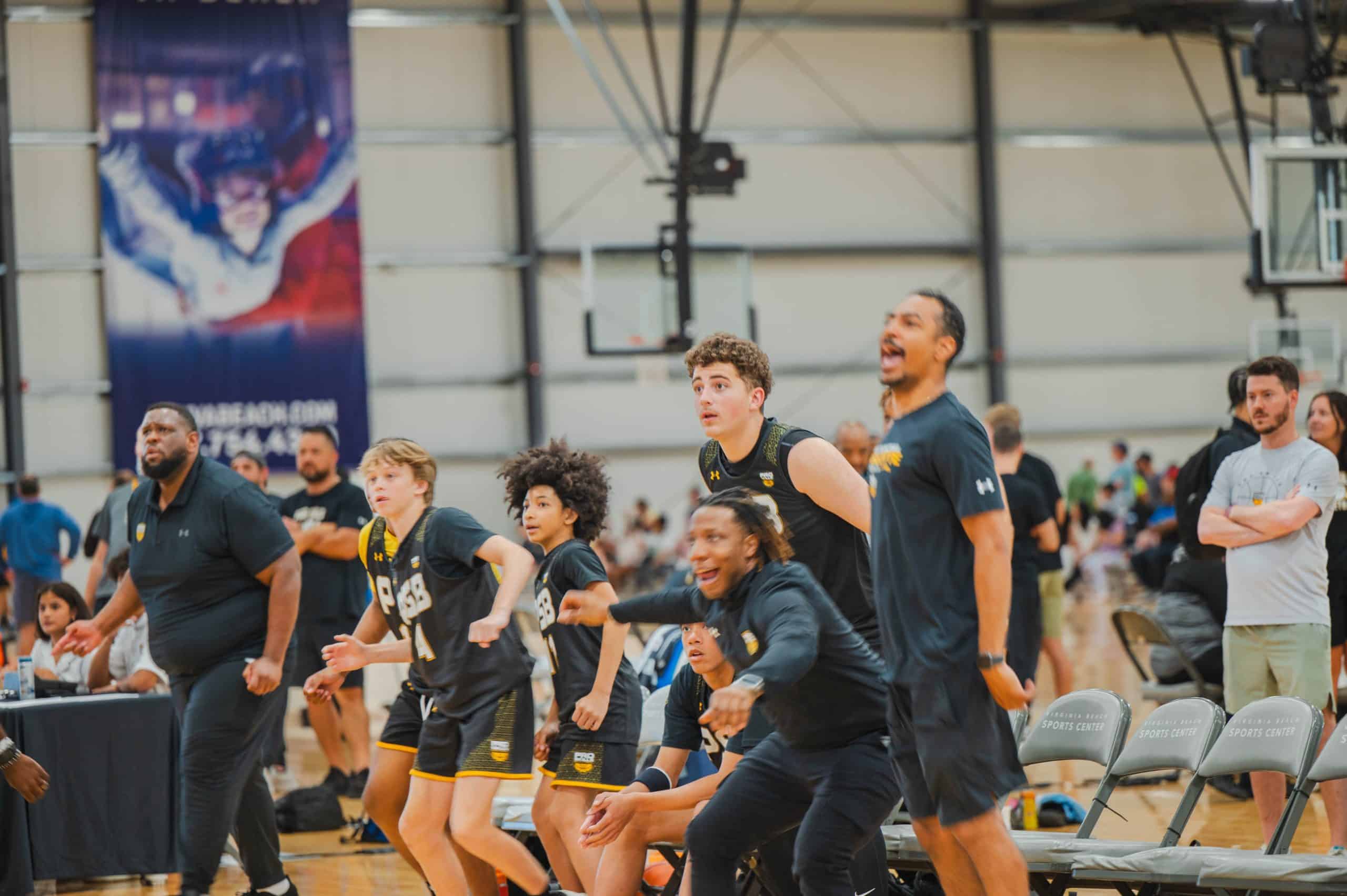
- How players act on the bench (engaged, supportive, or checked out)
- How they treat referees and tournament staff
- How they handle a bad game or a tough call
- How they interact with parents in the lobby
- What their social media looks like (yes, coaches check)
Coaches recruit the player, not just the basketball player. Off-floor signals weigh into recruiting decisions almost as much as on-floor performance.
What Should Parents Do at Exposure Camps?
Logistics, partnership, protection. Specifically:
- Get your player to and from the gym on time and rested
- Track which coaches showed up and what conversations happened
- Stay out of coaches’ way at games; let your player be the face of the recruiting conversation
- Avoid sideline drama, complaints about playing time, or pressure on AAU coaches
The best recruiting families let the player drive while parents hold the roadmap.
Frequently Asked Questions
How much do exposure camps cost?
Day camps run $100 to $300. Multi-day exposure camps run $300 to $800. Top-tier elite camps can run $1,000-$2,000+ before travel and lodging. Cost does not always reflect quality of coach attendance.
What grade should my player start attending exposure camps?
Most exposure camps target rising sophomores through rising seniors. Younger players can attend, but the recruiting return is limited until late high school. Use middle school years for skill camps and grassroots events.
Should we choose elite camps or regional showcases?
Both have a role. Elite camps amplify already-recruited players. Regional showcases help mid-major and lower-D1 prospects get on coach radars. Match the camp level to your player’s actual recruiting profile.
How do I find out which coaches actually attend a camp?
Ask the camp directly for a list from last year’s event. Reputable camps will share it. Cross-check with families whose players attended. If the answer is vague, the actual attendance is probably weaker than advertised.
Are college team camps different from exposure camps?
Yes. College team camps are run by a single college program, primarily as a recruiting tool for that program. Exposure camps gather many programs in one place. Team camps work well for players targeting a specific school. Exposure camps cast a wider net.
| Camp Type | Best Fit Player | Who Attends | Typical Cost |
|---|---|---|---|
| Elite (invite-only) camp | Already-recruited, national-caliber prospect | Many high-major college coaches | $1,000-$2,000+ before travel |
| Regional showcase | Mid-major and lower-D1 prospect | Regional and mid-major coaches | $300-$800 |
| College team camp | Player targeting one specific school | That program’s coaching staff | $100-$300 |
The Bottom Line
Exposure and elite college basketball camps can be a powerful tool in a recruiting strategy. The best results come from picking one or two strong-fit events, preparing seriously, performing the right way on and off the floor, and following up after. Skip the camps that do not match the player’s level, and skip the ones that cannot prove who actually attends.
Pro Skills Basketball runs club teams, camps, and academies in more than 25 cities, with coaches who have played and coached at the high school, college, and pro levels. Our City Directors guide families through real recruiting decisions every summer.
Sources

 Youth Basketball Tips: Shooting and Ball Handling
 »
»