The Last Dance offers young basketball players and their parents practical lessons that outlast any highlight: trust your teammates, attack your weak spots, and let motivation come from inside. Those habits matter for the long run because only about 3.6% of high school boys basketball players ever compete at any NCAA level, per NCAA research.
Last updated: June 2026
Most people remember the shot. Game 6 of the 1998 NBA Finals, the clock draining, Michael Jordan rising for the sixth title. ESPN’s The Last Dance covers far more than that single moment. Across ten episodes it tracks how Jordan and the Chicago Bulls actually built a dynasty, and most of the story is about ordinary work, not magic.
For a parent raising a young player, that is the useful part. The documentary is full of small, repeatable habits any child can practice this week. Below are ten of them, grouped by who they speak to most directly.
Key Takeaways
- Shared offense beat hero-ball; trusting teammates won titles the Bulls could not win alone.
- Jordan turned a weak jump shot into a strength through repetition, not talent.
- Role players who accepted their jobs mattered as much as the stars.
- Jordan led by working harder than anyone, then asking the same of others.
- Lasting drive comes from a child’s own reasons, not a parent’s pressure.
What can young players learn from The Last Dance?
The early Bulls leaned on Jordan to score, and they kept losing in the playoffs. Things changed when he bought into Phil Jackson’s triangle offense, a system built on ball movement and shared responsibility. His passes to John Paxson in 1993 and Steve Kerr in 1997 sealed championships because he drew the defense and trusted teammates to finish.
Trust your teammates
Even the most talented player on the floor wins more by sharing the load. Passing builds chemistry, and chemistry wins close games. If your child tends to dominate the ball, that is a coachable habit, not a personality trait. Our drills for youth players include partner work that rewards moving the ball.
Stay open to coaching
Jordan resisted the triangle at first. It was not flashy and it meant giving up the ball. Once he committed, it unlocked the team. Young players resist new ideas too, whether it is a different position or an unfamiliar drill. The ones who stay open improve fastest. Learning to take coaching is also part of how basketball helps a child grow off the court.
Play other sports and rest your mind
Jordan loved golf and baseball, and he stepped away from the NBA in 1993 to play pro baseball. The break refreshed him and reminded him why he loved basketball. For a young athlete, playing multiple sports and taking real rest protects against burnout and overuse injury. It is one of the simpler ways to prevent youth sports injuries.

Turn weaknesses into strengths
Jordan entered the league with a shaky jump shot. Instead of hiding it, he drilled it until the mid-range became one of his best weapons. That is the whole lesson: pick the weak part of your game and work on it on purpose. If shooting is the gap, our shooting improvement tips give a young player a place to start today.
Use a tough opponent as fuel
The Detroit Pistons beat up the Bulls for years with their physical defense. Jordan added strength and focus rather than quitting, and Chicago broke through in 1991. A child who keeps running into older or stronger players is not stuck. That gap is a map of what to work on next.
What does The Last Dance teach about leadership and roles?
Championship teams are not five stars. They are players who accept and master their jobs. Jordan was the scorer, Scottie Pippen the all-around co-star, Dennis Rodman the rebounder and defender, Steve Kerr the timely shooter. Each one did a defined job well.
“Winning has a price. And leadership has a price. I never asked one of my teammates to do something that I didn’t do.”
— Michael Jordan, ESPN’s The Last Dance
Lead by working hardest
Jordan pushed teammates, sometimes too hard, but he set the standard himself by arriving early and staying late. Real leadership on a youth team is rarely about talking. It shows up in who hustles for loose balls and who encourages a teammate after a mistake. A young player can lead that way at any skill level.
Embrace your role
Accepting a role, whether starting or coming off the bench, is a sign of maturity, not a demotion. A player who guards the other team’s best scorer or sets hard screens helps win games even without big point totals. Buying in is often what earns a player more minutes over time. Our guide on how to get playing time walks through the habits coaches reward.
Coaches: build around the players you have
When Jordan left for baseball, Phil Jackson did not panic. He leaned into the strengths of Pippen, Toni Kukoc, and Horace Grant and adjusted the system to fit them. Good youth coaching works the same way. The job is to shape the system around the children on the roster, not force every child into one rigid mold.
How can parents apply lessons from The Last Dance?
Two of the documentary’s quieter moments are about parents. Jordan’s mother, Deloris, pushed him to take the Nike meeting he wanted to skip, a nudge that changed his career. And after being cut from varsity as a sophomore, Jordan found his own reason to work, which his parents supported without forcing.
| Supportive parent | Overinvolved parent |
|---|---|
| Asks if the child enjoyed the game | Recaps every missed shot on the drive home |
| Lets the coach coach | Coaches from the stands |
| Encourages new challenges and rest | Pushes year-round, single-sport intensity |
| Lets motivation grow from the child | Supplies the drive themselves |
Encourage an open mind
A small nudge toward a new opportunity, like a different program, a skills clinic, or an unfamiliar position, can open doors a child would otherwise walk past. The aim is to widen options, not to decide for them.
Let motivation come from within
Jordan’s drive was his own. The most durable motivation in a young athlete is internal, and a parent’s role is to support it rather than supply it. Pressure can produce short-term effort, but a child’s own love of the game is what keeps them in the gym for years. If you want a candid gut-check, our list of signs of an overinvolved basketball parent is worth a read.
These habits matter beyond any single season. With roughly 3.6% of high school boys basketball players reaching the NCAA at all, the lasting wins are the ones a child carries into school, work, and life: effort, coachability, and ownership of their own goals.
Frequently Asked Questions
What is The Last Dance about?
It is a 2020 ESPN documentary covering Michael Jordan and the Chicago Bulls, centered on their final championship season in 1997-98 with flashbacks across Jordan’s career. It runs ten episodes.
Is The Last Dance appropriate for young players to watch?
It carries a TV-MA rating, mostly for language. Many parents watch it alongside their child or pick specific scenes about effort, teamwork, and bouncing back from losing rather than playing all ten episodes straight through.
What is the main lesson young players can take from it?
That sustained effort and accepting your role beat raw talent over time. Jordan improved a weak jump shot through repetition, and the Bulls won by sharing responsibility rather than relying on one player.
How can a parent help a child improve at basketball?
Support steady practice, let the coach coach, encourage rest and other sports, and let the child own their goals. Skills grow through consistent reps, and the right program adds structure to that work.
What are realistic odds of playing college basketball?
About 3.6% of high school boys basketball players go on to compete at any NCAA level, and roughly 1.1% reach Division I, according to NCAA research. That makes the life lessons from the game worth far more than chasing a scholarship alone.
Sources
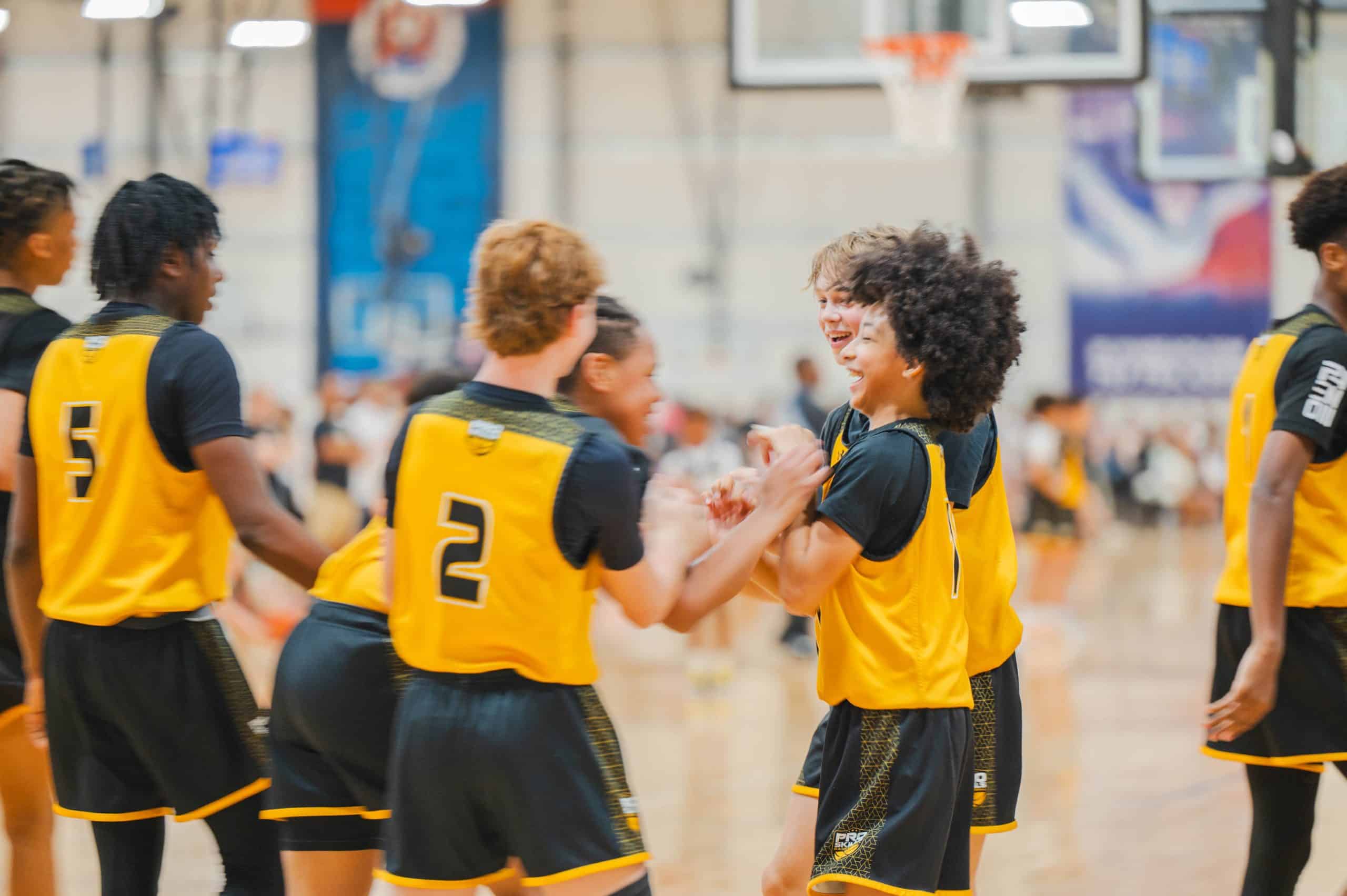
Pro Skills Basketball runs club teams, camps, clinics, and academies in cities across the country, all built around real development and coaches who put players first. If your child is ready for a program that teaches these habits, find your nearest PSB city below.

 How to Develop Basketball Skills on Your Own
 »
»