
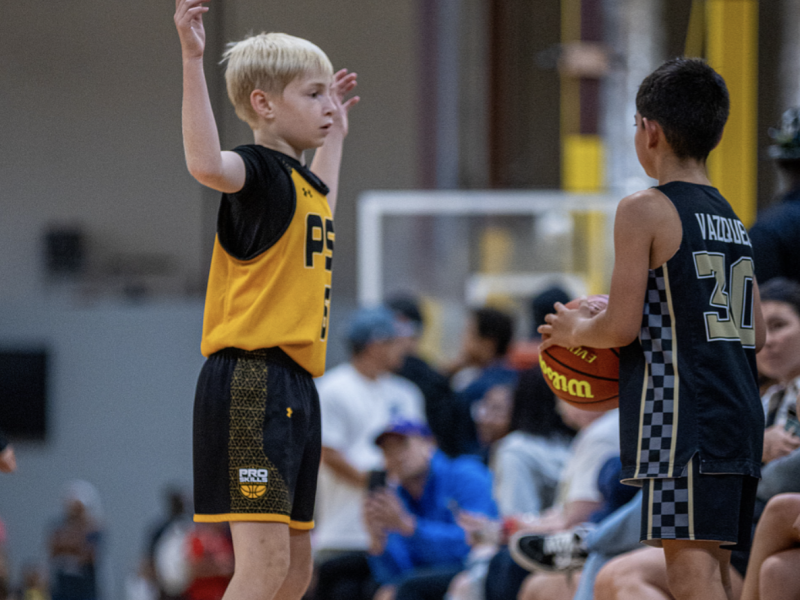
A basketball exposure camp is a multi-day event where college coaches and scouts evaluate players in live games and skill sessions. They help with recruiting, but they are one piece of a larger process. About 3.6% of high school boys basketball players go on to play at any NCAA division, and roughly 1.1% reach Division I, so picking the right camp and using it well matters.
Last updated: June 2026
Key Takeaways
- Exposure camps put your child in front of college coaches, but the timing, division focus, and roster size determine how much real evaluation happens.
- Coaches weigh character, communication, and coachability alongside talent. How a player handles a bad possession can matter as much as the highlight play.
- Skill development is the part of a camp you keep regardless of who is watching. Film review and small-group instruction carry value home.
- One camp does not build a recruiting profile. Strong high school play, summer events, grades, and highlight film all work together.
- Budget for the full cost, including travel and lodging, and match the camp’s competitive level and division focus to your child’s realistic goals.
What is a basketball exposure camp?
An exposure camp is a structured event, usually two to four days, where players compete in 5-on-5 games and run through skill stations while college coaches and scouts watch and take notes. Some are run independently, some on a college campus, and some by recruiting organizations. The shared idea is simple: give a player game reps in front of people who can offer a roster spot or a scholarship.
At Pro Skills Basketball, two formats anchor our exposure offerings. Our Academic Showcase Camps connect players with Division II and Division III programs and walk families through NCAA eligibility. The Paul Biancardi Basketball Camp pairs national-level scouting from ESPN’s Director of Recruiting with high-level skill instruction. Both sit inside our network of camps across more than 25 cities.
Do college coaches actually attend these camps?
Yes, but the rules shape who shows up and when. Division I coaches can only evaluate prospects in person during NCAA “live” periods, the busiest of which fall in July. Division II and Division III staff have more freedom to scout throughout the year. That difference matters when you choose a camp date. If Division I exposure is the goal, a camp scheduled inside a live period gives your child the best chance of being seen by those programs.
If you want to understand the recruiting calendar before you register, our breakdown of the July NCAA live period explains exactly when coaches can watch and why those weekends carry so much weight.
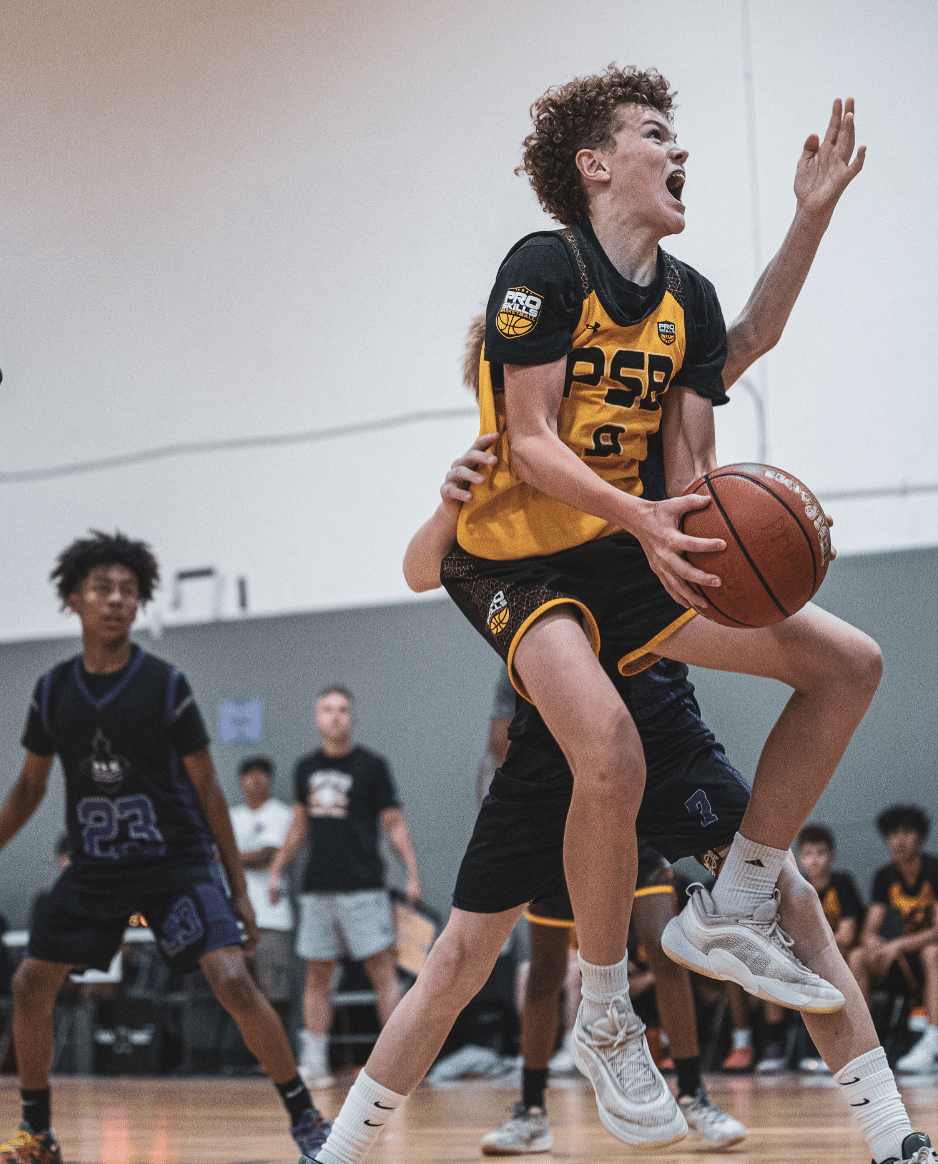
How do I choose the right exposure camp?
Not every camp serves the same purpose, and a marquee name in the brochure does not guarantee value. Before you pay, get clear on what you are buying.
Match the camp to your child’s division target
A player aiming at Division III academic schools needs a different event than one chasing Division I offers. Read the camp’s history. Which programs have attended? Which players have moved on, and to where? A camp that regularly draws the level of coach your child realistically fits is worth more than a bigger event where they would be lost in the crowd.
Weigh development against pure exposure
Exposure fades the moment the gym empties. Skill stays. The strongest camps build in film sessions, small-group instruction, and direct feedback, so your child leaves a better player even if no offer follows. Ask whether coaches give written or verbal evaluations and how much individual attention each player receives.
Consider roster size
Large camps with dozens of college programs look impressive, but they can bury a player in a sea of jerseys. Smaller, capped rosters mean more touches, more film time, and more genuine conversations with coaches. Bigger is not automatically better.
What do coaches look for at an exposure camp?
Talent gets a coach’s attention. Character keeps it. College staff are evaluating far more than a player’s scoring average over a weekend.
“Character might not get you a scholarship, but a lack of it will definitely prevent one.”
— Paul Biancardi, ESPN National Director of Recruiting
Coaches watch how a player reacts after a turnover, whether they talk on defense, how they treat teammates and officials, and whether they keep competing when the shots are not falling. On-court communication, calling out screens, directing teammates, sprinting back on defense, signals basketball IQ as clearly as any crossover. Our deeper look at what college coaches look for in recruits covers the full picture, but the short version is this: how your child carries themselves is part of the evaluation, every possession.
How do exposure camps fit into the bigger recruiting picture?
A camp is one step, not the destination. The players who earn college spots build a complete profile over months and years: consistent high school production, strong summer play, a clean highlight film, solid grades, and coaches who will vouch for them. A great camp weekend adds to that file. It rarely stands alone.
This is also where realistic expectations protect your family. With roughly 3.6% of high school boys players reaching any NCAA level and about 1.1% reaching Division I, most attendees will not walk away with an offer. That is not a reason to skip camps. It is a reason to value the parts you control: the skill growth, the relationships, and the honest feedback. For a full roadmap, see our guide to the college basketball recruiting process.
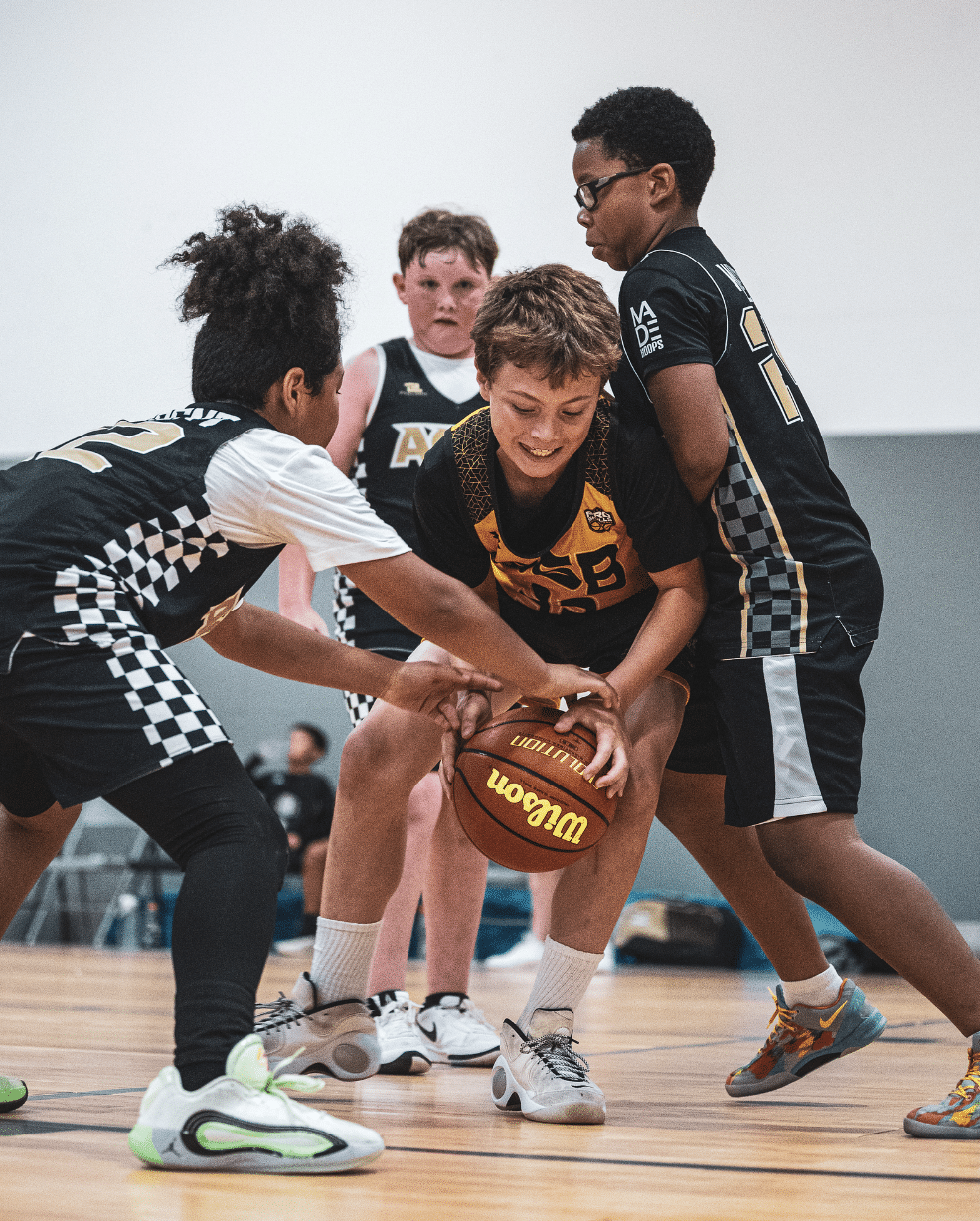
Exposure camp vs. local skills clinic: which does my child need?
Parents often ask whether to spend on an exposure camp or a developmental clinic. The honest answer depends on age, level, and goals. This comparison can help you decide.
| Factor | Exposure Camp | Local Skills Clinic |
|---|---|---|
| Main purpose | Recruiting evaluation in front of coaches | Fundamentals and skill development |
| Best age to start | Typically 10th grade and up | Any age, including elementary and middle school |
| Cost and travel | Higher; often includes travel and lodging | Lower; usually local |
| What you keep afterward | Game film, coach feedback, contacts | Improved fundamentals and habits |
| Right fit for | Serious players targeting college rosters | Younger players building a foundation first |
Younger players usually get more from local clinics that sharpen footwork, shooting, and decision-making before they step onto an exposure stage. By junior year, with a foundation in place, an exposure camp becomes a far better investment.
How much do basketball exposure camps cost?
Camp fees are only part of the math. Travel, lodging, and meals can match or exceed the registration price, especially for multi-day events in another city. Plan for the full total before you commit. Many PSB camps partner with local hotels for discounted family rates, and details are listed on each camp’s registration page. Budgeting honestly up front prevents the strain of an event that costs twice what you expected.
Frequently Asked Questions
When should my child start attending exposure camps?
Most prospects begin in 10th grade, once they have a base of skills and game experience. Younger players are usually better served by local skills clinics and strong team play first. By junior year, a recruit’s profile should include transcripts, highlight film, and references coaches can verify.
Does an invitation to an exposure camp mean my child is being recruited?
No. An invitation is a chance to be evaluated, not an offer. Treat every camp like a tryout: prepare well, compete hard, and follow up with coaches afterward to keep the conversation going. The work after the camp often matters as much as the performance during it.
Are exposure camps worth it if my child is unlikely to play Division I?
Often, yes. Division II, Division III, NAIA, and junior college programs all recruit through camps, and they fill far more rosters than Division I does. A camp that focuses on those levels, like a PSB Academic Showcase, can open realistic doors that a Division I-only event never would.
What should my child do to stand out at a camp?
Compete on every possession, communicate loudly on defense, and play within their strengths instead of forcing highlight plays. Coaches notice energy, smart decisions, and consistency. Off the court, introduce yourself, ask for feedback, and say thank you. Those small habits leave a lasting impression.
How many exposure camps should my child attend in a year?
Quality beats quantity. A few well-chosen camps that match your child’s level and division target will do more than a packed calendar of events. Spreading too thin drains the budget and the player. Pick events with intention and prepare fully for each one.
Sources

 10 Youth Basketball Lessons From The Last Dance
 »
»