

To keep your shot sharp in season, hold form steady with short daily routines instead of chasing big workout numbers. Combine 50 to 100 close-range form shots, 100 free throws, and brief game-speed reps three to five days a week. The American Academy of Pediatrics recommends one to two rest days weekly to protect young players.
Last updated: June 2026
Key Takeaways
- In season, the goal is to maintain a shot, not rebuild it. Lower volume, protect form, stay fresh.
- A short daily form-shooting routine close to the rim keeps mechanics consistent without wearing legs down.
- Free throws are free points and a low-stress way to groove your stroke. Treat each one like a form shot.
- Brief game-speed reps a few times a week translate clean form into real-game shots.
- Rest is part of the plan. The AAP recommends one to two days off a week from sport-specific training.
The season is in full swing for high school and middle school teams across the country. Off-season work builds the shot. The season is about keeping it. The mistake many young players make is treating in-season practice like summer, piling up huge shooting counts on tired legs, then wondering why their percentage dips in February.
The smarter approach is maintenance. You want enough quality repetition to hold your mechanics and your confidence, without the volume that drains your legs before tip-off or invites an overuse injury. Below are five in-season shooting habits, plus a weekly plan you can adjust around your game schedule.
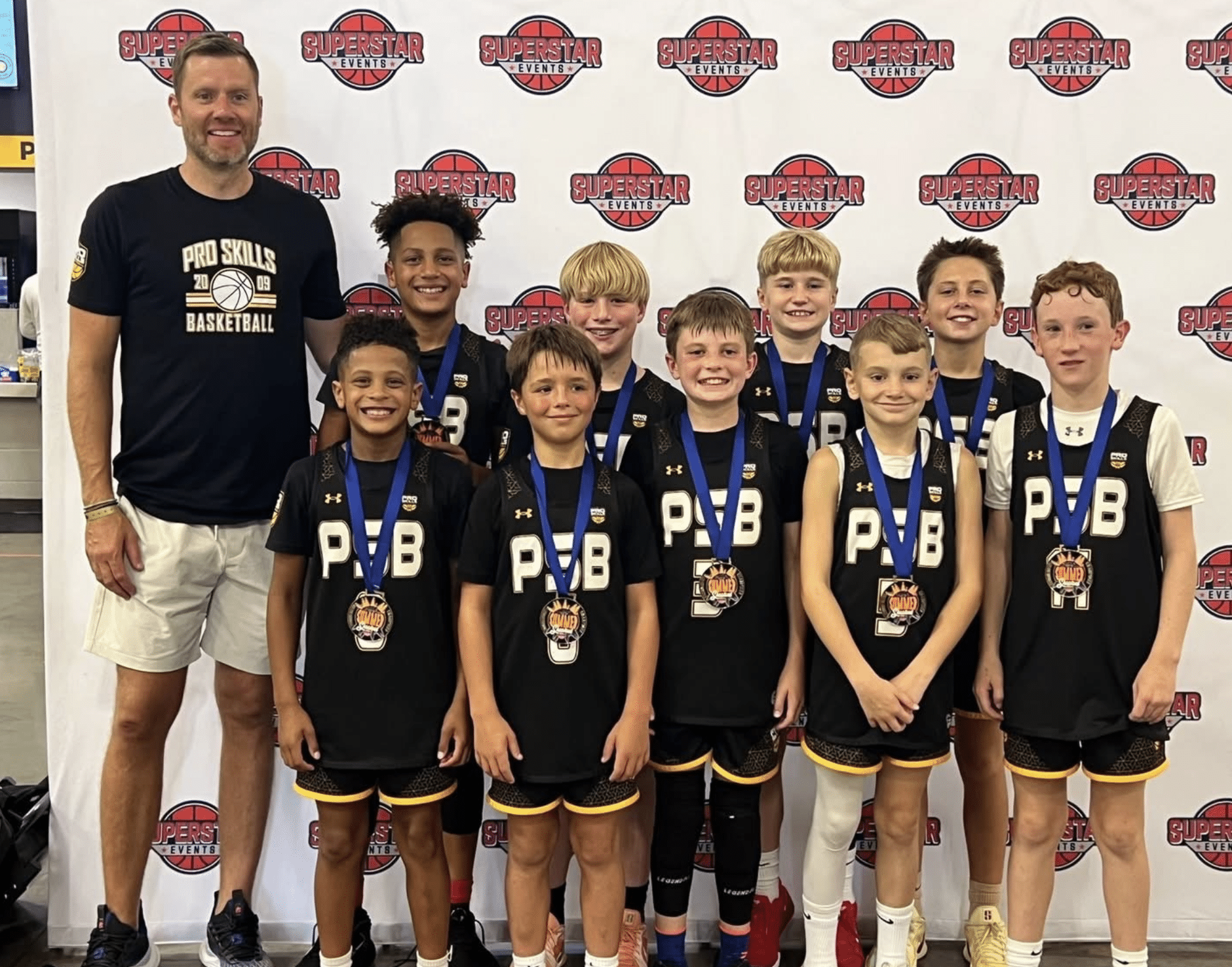
How Should a Player Practice Shooting During the Season?
During the season, practice with intent and restraint. The week is already full of games, team practices, and school. Your individual shooting work should sharpen what you already have, not add fatigue. Think short, focused, and frequent rather than long and exhausting. The five habits below are built around that idea.
1. Commit to a Daily Form-Shooting Routine
A short form-shooting routine is the backbone of in-season maintenance. These are low-impact repetitions that reinforce clean mechanics without taxing your body.
- Why it matters: Daily form work keeps muscle memory for a consistent release and follow-through. Skip it for two weeks and your touch fades fast.
- How to do it: Start close to the rim, about three to four feet out. Focus on hand placement, elbow alignment, and a clean wrist snap. Aim for 50 to 100 form shots per session.
- Keep it light: You are working on technique, not conditioning. Low intensity is the point. It keeps you fresh and lowers injury risk.
If you want a structured set of close-range drills, our guide to at-home shooting workouts lays out routines you can run in a driveway or an empty gym.
2. Hit 100 Free Throws Every Day
Free throws bridge form work and game distance, and they are points your team needs in close games. Treat every free throw like a form shot from the line.
- Same routine every time: Breathe, find your target, set your elbow, shoot. Repeat the exact sequence so it holds up when your legs are tired late in a game.
- Volume builds calm: Repetition under no pressure makes the real ones feel ordinary.
- Low effort, high value: You can knock these out in school gear or with teammates rebounding, saving energy for the parts that demand it.
3. Add Short Bursts of Game-Speed Shooting
Form work keeps you fresh, but you have to turn that form into shots that look like the ones you take in a game.
- Set it up: Run catch-and-shoot, off-the-dribble, and spot-up looks. Use cones or a teammate feeding you passes at game pace.
- Keep it short: Ten to fifteen minutes, three to four times a week is plenty in season.
- Hold your form under fatigue: Stay square to the rim, keep your feet active, and finish every follow-through.
For more on translating clean mechanics into live shots, see our breakdown of three ways players can improve their shooting today.
4. Make Every Practice Rep Count
Team practice is your game-day simulator. Treat every drill and every possession as a chance to build the habit you want under the lights.
- Reps with intent: Picture a game situation, find your target, and read your own mechanics right after release.
- Compete daily: Even on back-to-back practice days, keep the effort up in shooting drills so the habit holds.
- Track it: Count makes versus attempts. Set a target, such as 70 percent in shooting drills, and review it weekly.
One more thing: Record a practice session now and then. Watching yourself shoot is the fastest way to catch a form breakdown before it becomes a habit you carry into games.
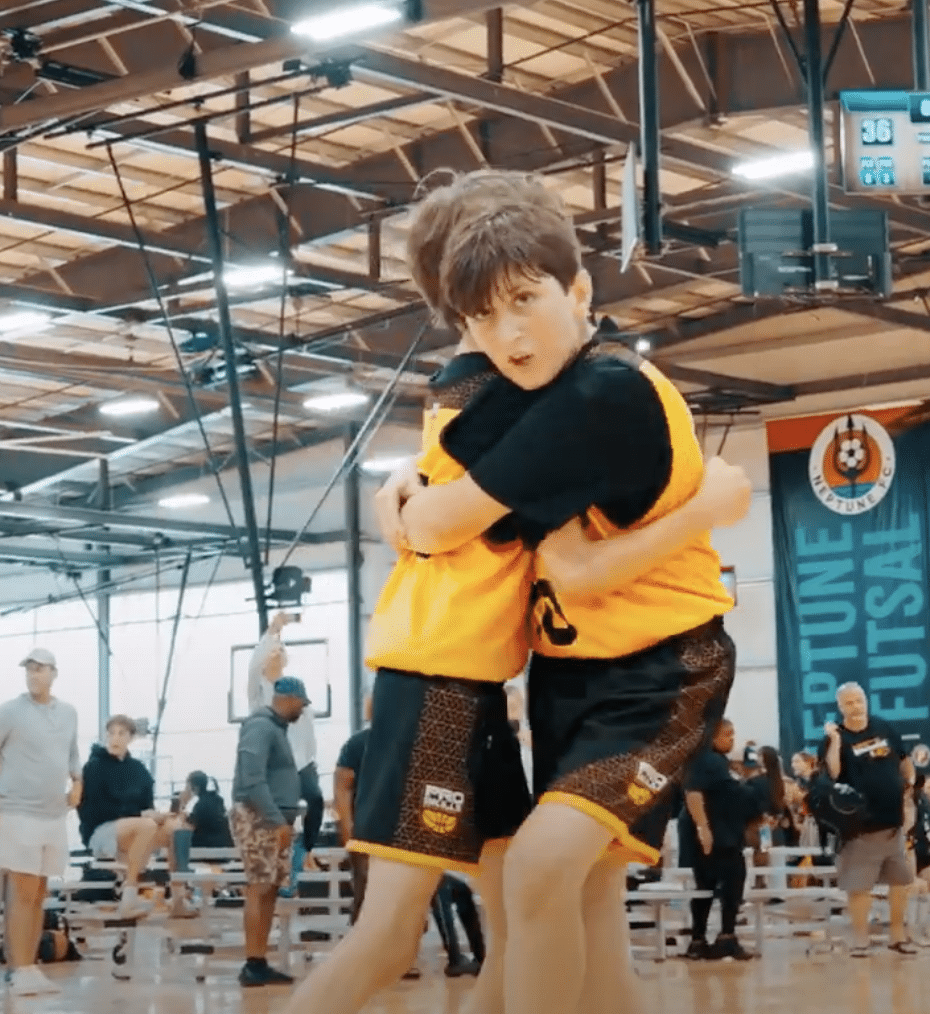
How Does Confidence Affect Shooting?
Confidence is not a pep talk. It is the byproduct of preparation and the way you handle a miss. Players who shoot well in tight moments have usually earned the calm through repetition, and they have a plan for when a shot does not fall.
5. Build a Confident, Repeatable Mindset
- Treat a miss as data: Misses happen to every shooter. Note what felt off, adjust, and move to the next one.
- Lean on your routine: The same trigger before every shot, a dribble, a square-up, a breath, steadies you when the game speeds up.
- Bank the small wins: Made three in a row in practice? File that away and pull from it on game night.
The mental side carries over to the whole game. If staying locked in is a struggle, our piece on improving basketball concentration has practical habits that help.
“When people say God blessed me with a beautiful jump shot, it really pisses me off. I tell those people, ‘Don’t undermine the work I’ve put in every day.’”
— Ray Allen, NBA Hall of Fame shooter, to ESPN
Allen, one of the best shooters the game has seen, made the same point coaches make to young players: the shot you trust in March is built by quiet, repeated work in the weeks before. That work is the whole idea behind in-season maintenance.
What Is a Good Weekly In-Season Shooting Plan?
A good in-season week keeps the shot grooved without grinding the player down. The plan below is a starting point. Read it as a guide, not a quota, and scale it back on heavy game weeks.
| Day | Form Shots | Free Throws | Game-Speed | Focus |
|---|---|---|---|---|
| Monday | 100 | 100 | 10 min | Catch-and-shoot |
| Tuesday | 100 | 100 | — | Team practice drills |
| Wednesday | 100 | 100 | 10 min | Off-the-dribble mechanics |
| Thursday | 100 | 100 | — | Scrimmage shooting focus |
| Friday | 100 | 100 | 15 min | Spot-up and transition |
| Saturday | 50 | 50 | — | Light club practice |
| Sunday | Rest or light form | — | — | Recovery and review |
Adjust for the schedule. On tournament weekends or back-to-back game nights, cut the volume hard and let the games be the work. Tired legs change a shooter’s form before anything else does.
Why Rest Matters as Much as Reps
It is tempting to think more shots always equals a better shooter. In season, that math breaks down. Growing bones are less tolerant of repeated stress than adult bones, which is part of why roughly half of all youth sports injuries are overuse injuries, according to the American Academy of Pediatrics. The AAP recommends at least one to two days off per week from sport-specific training, plus longer breaks across the year.
For a young player in season, that rest is not lost development. It is what lets the legs stay under the shot. If you want more on keeping players healthy through a long season, our guide to preventing youth sports injuries is a good place to start.
Frequently Asked Questions
How many shots should a youth player take per day in season?
A maintenance load works well: 50 to 100 form shots and around 100 free throws on most days, with 10 to 15 minutes of game-speed shooting three to four times a week. The exact number matters less than the quality of each repetition and staying fresh for games.
Is it bad to shoot every single day during the season?
Daily light form work is fine and helpful. What you want to avoid is high-volume, high-intensity shooting every day. The AAP recommends at least one to two days off per week from sport-specific training, so build in real rest or limit some days to light form only.
Should a player keep working on their shot during the season or wait for summer?
Keep working, but shift the goal. The off-season is for building or changing a shot. The season is for maintaining it. Short, consistent sessions hold your mechanics so your percentage does not slide late in the year.
How can a young player shoot with more confidence in games?
Confidence comes from preparation and routine. Use the same pre-shot sequence every time, treat misses as information rather than failure, and remember the made shots you banked in practice. Reliable mechanics built through repetition are what let a player stay calm in tight moments.
What is the best in-season shooting drill for a young player?
There is no single best drill, but a close-range form-shooting routine paired with daily free throws gives the most value for the least fatigue. Add short game-speed reps a few times a week to connect that clean form to real shots.
Sources
Pro Skills Basketball runs club teams, camps, clinics, and academies in 25 cities across the U.S., with experienced coaches and a development-first culture. Questions? Email admin@proskillsbasketball.com or call 866-996-3888.

 Basketball Exposure Camps: What Parents Need to Know
 »
»