
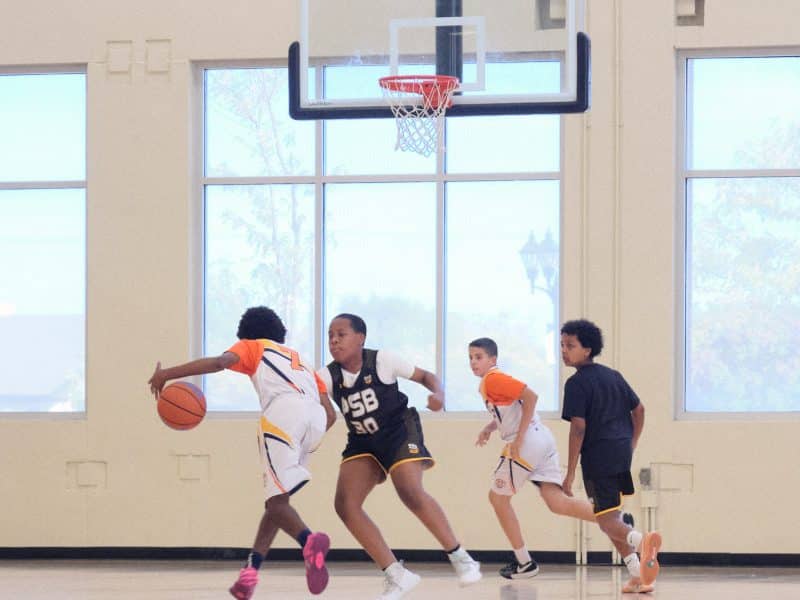
The best in-season shooting plan is short and daily, not long and occasional. Have your player do a few minutes of form shooting, make a set number of free throws, and take game-speed reps three to four times a week. A peer-reviewed study found shooting accuracy rises across consecutive free throws, so reps build a measurable rhythm.
Last updated: June 2026
Key Takeaways
- Daily form shooting keeps mechanics clean without wearing your player out during a busy game schedule.
- A fixed number of made free throws every day builds the rhythm that decides close games.
- Short, full-speed shooting sessions a few times a week keep shots game-ready.
- Practice reps count. Every drill is a chance to shoot under real conditions.
- Confidence comes from preparation, not from the last make or miss.
The season is the hardest time to stay sharp as a shooter. Practices, games, travel, and schoolwork fill the week, and the open-gym hours your player relied on all summer disappear. The good news for parents: keeping a shot sharp in-season does not require long workouts. It requires a few minutes of the right work, done almost every day.
At Pro Skills Basketball we coach players in 25-plus cities, and the shooters who improve during the season are rarely the ones grinding for two hours after practice. They are the ones who protect a small set of habits and repeat them. Here are the five that matter most.
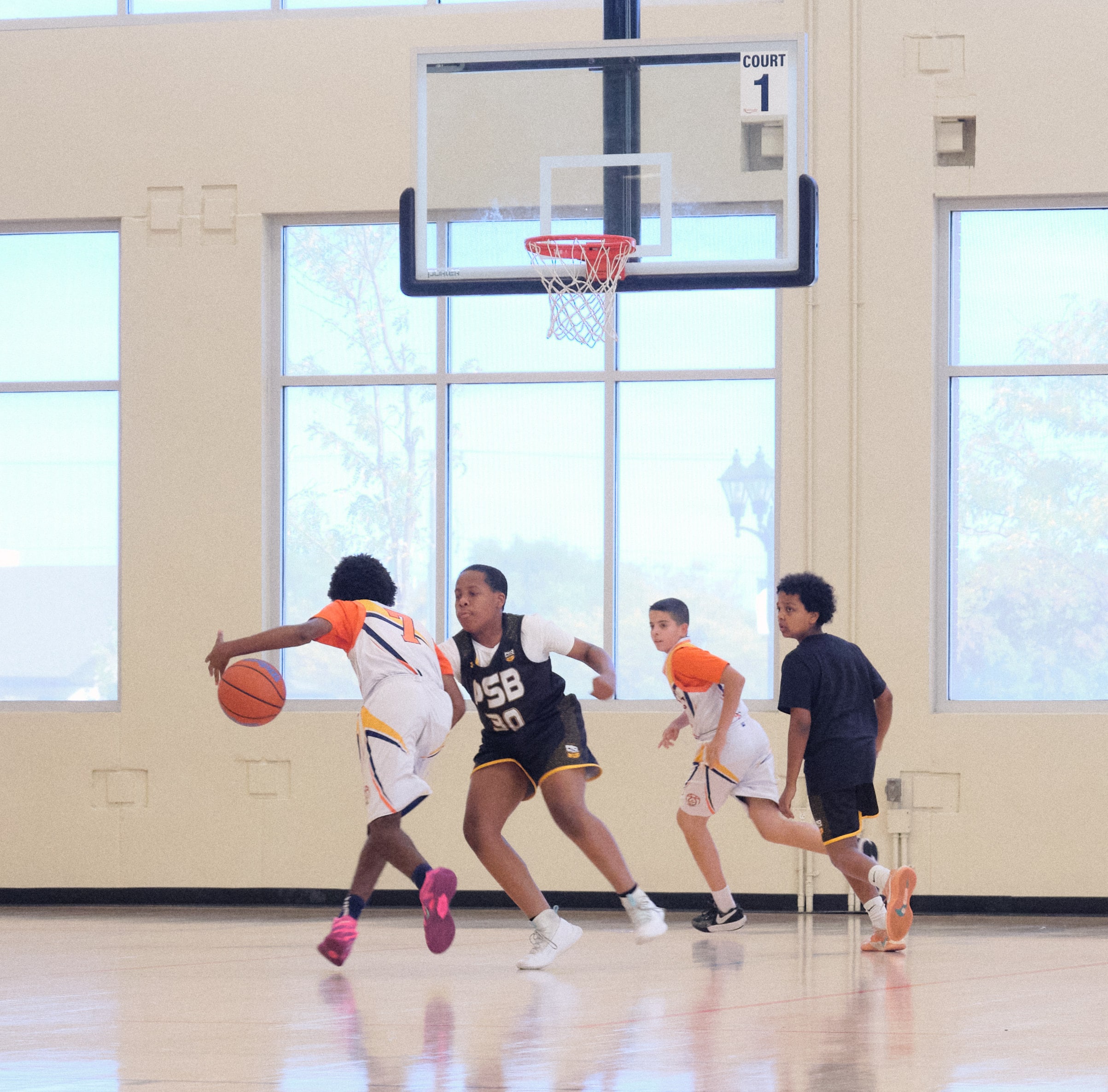
How should a youth player practice shooting during the season?
Keep it short, specific, and frequent. The goal in-season is maintenance and small gains, not exhaustion. A player who shoots with focus for 15 to 20 minutes a day will stay sharper than one who does a marathon session once a week and nothing else. Below are the five habits, in the order we teach them.
1. Do daily form shooting
If your player does one thing every day, make it form shooting. It is a low-intensity drill done close to the basket that sharpens mechanics without taxing the legs. Starting a few feet from the rim, your player focuses on balance, wrist snap, and follow-through, then steps back as the shot stays clean.
Form shooting reinforces muscle memory and keeps bad habits from creeping in during the grind of the season. It needs no partner and no full court, just a hoop and a ball. For a structured version your player can run at home, see our at-home shooting workouts.
2. Make a set number of free throws every day
Free throws decide close games, and they are usually the first thing to slip when a schedule gets tight. Give your player a daily target of made free throws, not attempts. Fifty to 100 makes is a strong goal for a committed middle or high school player. The point is to repeat the same routine, rhythm, and follow-through every time so it holds up under pressure.
There is real evidence behind the repetition. A 2022 study published in Scientific Reports found that shooters who trained with consistent feedback significantly improved free throw accuracy and retained the gain over time. Researchers also documented a calibration effect: in sets of consecutive free throws, accuracy on the third attempt tended to exceed the second, and the second exceeded the first. In plain terms, reps warm up the shot, and the body recalibrates with each one.
“Practice with the purpose to improve. Play to win. And above all, be a person of high character.”
— Paul Biancardi, ESPN National Director of Recruiting
3. Get up game-like shots at game speed
Recovery matters in-season, but a shot maintained only at slow speed falls apart in a real game. Three to four times a week, your player should add a short, full-speed shooting block of 10 to 15 minutes: catch-and-shoot from the corner, pull-ups in transition, shots coming off a screen. The aim is not conditioning. It is keeping the body and the eyes in sync at the pace a game actually demands.
4. Don’t waste practice reps
Team practice is the most overlooked shooting time your player has. Layup lines, shooting drills, and scrimmages are all chances to shoot under realistic, defended conditions. Players who coast through warm-ups leave that work on the table. Players who lock in during practice need less time on their own to stay sharp, which is a real advantage in a packed week.
5. Stay confident through highs and lows
Every shooter has off nights. What separates the steady ones is what they do after a miss. Confidence is built in the gym during the four habits above, then protected by mindset: head up, positive body language, and full belief that the next shot is going in. A player who trusts the work stays useful to the team even when the shot is not falling.
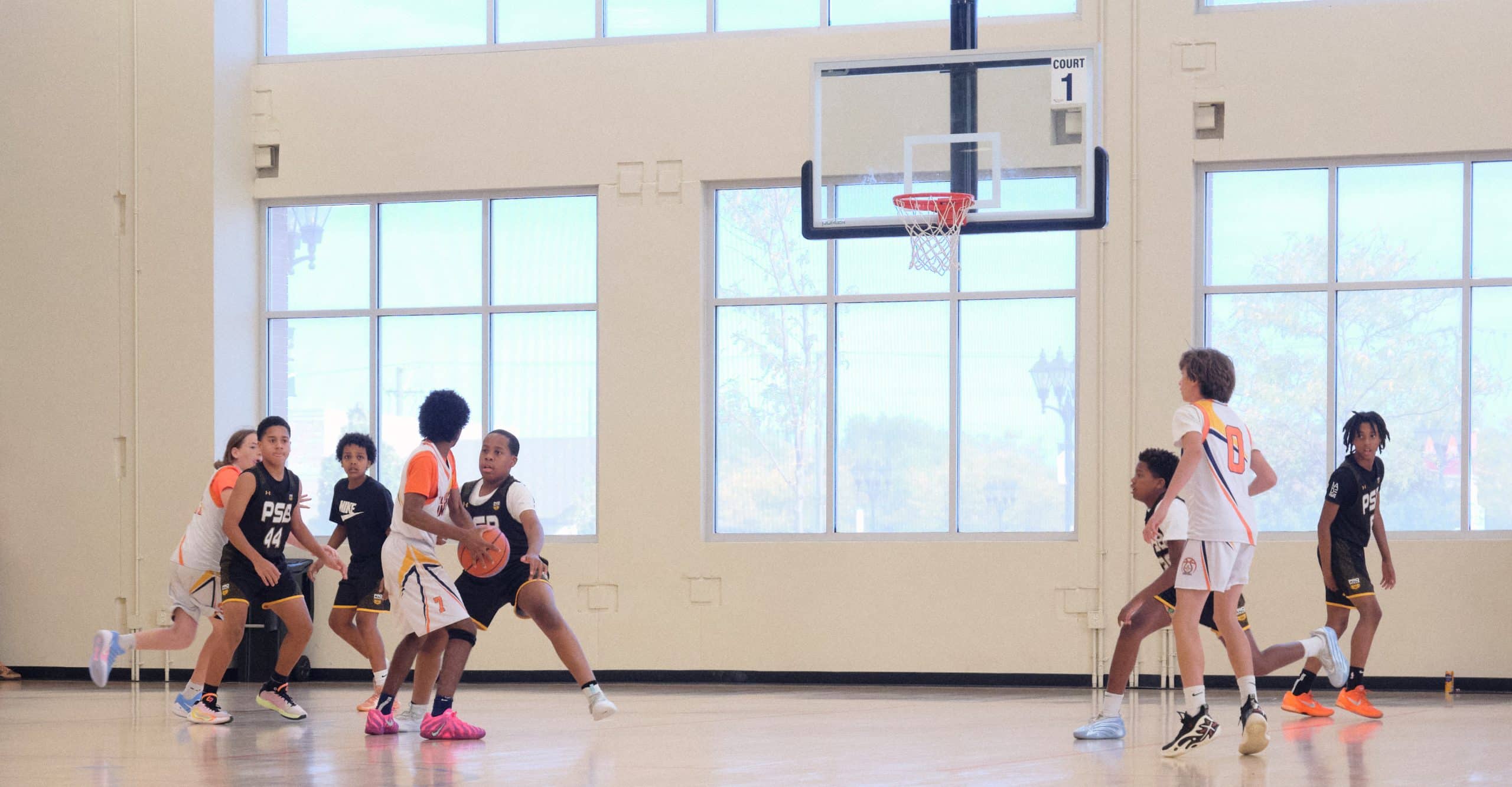
How long should an in-season shooting session take?
Most players can cover everything that matters in 20 to 30 minutes. A simple daily template looks like this.
| Habit | How often | Time | Focus |
|---|---|---|---|
| Form shooting | Daily | 5 min | Balance, wrist snap, follow-through |
| Free throws | Daily | 10 min | Same routine every rep, count makes |
| Game-speed shots | 3 to 4x a week | 10 to 15 min | Full speed, game movements |
| Practice reps | Every practice | Built in | Treat drills as real shots |
The schedule flexes around games. On a game day, form shooting and the pre-game routine are plenty. On an off day, that is when the game-speed block fits best. The constant is that the shot gets touched almost every day.
Why do these habits matter beyond this season?
Shooting is one of the few skills that travels with a player at every level. Roughly 3.6% of high school boys basketball players go on to compete at any NCAA division, and only about 1.1% reach Division I, according to NCAA participation data. For families with college hopes, a reliable shot is one of the clearest, most coachable ways to stand out. If recruiting is on your radar, our guide on what college basketball coaches look for in recruits walks through how shooting fits the bigger picture, and our shooting workouts for becoming a higher-level shooter show what serious reps look like.
Frequently Asked Questions
How many free throws should a youth player shoot a day?
Aim for a number of made free throws rather than attempts. Fifty to 100 makes a day is a strong target for a committed middle or high school player. The key is repeating the exact same routine each time so it holds up in a game.
Is it okay to shoot every day during the season?
Yes, as long as most of it is low-intensity form shooting and free throws. Those put little strain on the body. Save full-speed shooting for three or four days a week and lean on practice and games for the rest of the load.
What is form shooting and why does it help?
Form shooting is close-range shooting that isolates mechanics: balance, hand placement, wrist snap, and follow-through. It reinforces clean technique and muscle memory without the fatigue of full-court work, which makes it ideal during a busy season.
My player is in a shooting slump. What should we do?
Go back to basics. Extra form shooting and free throws rebuild rhythm and confidence faster than chasing tough shots. Research on free throws shows accuracy climbs with consecutive reps, so volume of clean, simple shots is the fastest way out of a slump.
How can my player keep shooting when there is no gym time?
A driveway or school hoop is enough for form shooting and free throws, which are the two daily must-dos. A structured at-home plan covers most of what a player needs between team practices.
Sources

 How to Play Basketball in College: A Parent’s Guide
 »
»