

To get more playing time in basketball, a young player should master one role the team needs (rebounding, defense, ball movement), bring relentless effort, and show coachable body language on and off the court. Minutes follow trust, and trust is earned in the small things long before about 3.6% of high school players ever reach an NCAA roster.
Last updated: June 2026
Key Takeaways
- Playing time is earned, not given. Coaches reward effort, attitude, and players who fill a clear need.
- Pick one role the team is missing (rebounding, defense, hustle, ball handling) and become reliable at it.
- Bench behavior is part of the audition. Engaged, positive players get more chances over time.
- The car ride home matters. How you frame limited minutes shapes whether your child builds resilience or resentment.
- Most children quit sports by age 11, usually because it stopped being fun, so protect the joy first.
One of the hardest parts of youth basketball has nothing to do with the scoreboard. It is watching your child sit while other players get minutes. As a parent, that disappointment can feel personal. As coaches, we see it from the other side too: a young player at the end of the bench with slumped shoulders and shrinking confidence.
Playing time is never a simple equation. Coaches balance development, fairness, and competitiveness every single game. But whether your child is a starter or deep in the rotation, there are real lessons available here, and there are concrete things a player can do to earn more time on the floor. This is a guide to both.
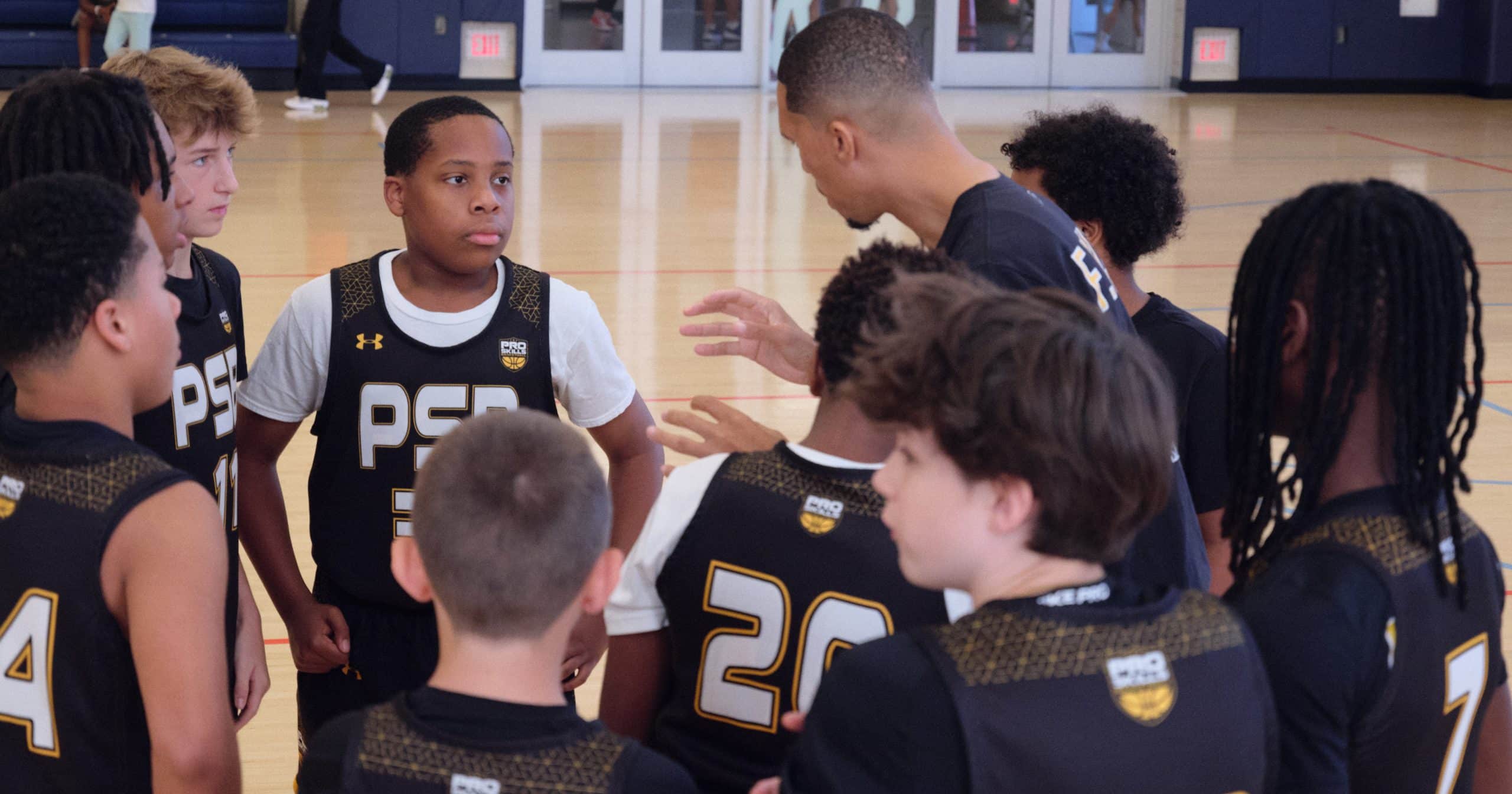
Why isn’t my child getting playing time in basketball?
Most playing-time decisions come down to a few things a coach can see in practice and in games: who can be trusted in the role the team needs, who competes hard on every possession, and who makes teammates better. Talent matters, but it is rarely the only factor. A skilled player who plays one speed, sulks when subbed out, or hurts the team defensively will often sit behind a less flashy player the coach can rely on.
It helps to separate two questions. First, is the level a good fit? If your child is on a highly competitive travel or AAU team and wants more reps, a more development-focused team or additional training may serve them better right now. Second, if the level is right, what is the one thing your child can control that would make a coach want them on the floor? That second question is where almost all the progress happens.
How can my child earn more playing time?
1. Help them own a role the team actually needs
If your child is not getting many minutes, one of the most effective moves is to find something the team is missing and become great at it. Coaches at every level notice players who solve a problem for them.
- Does the team struggle to rebound? Learn proper boxing-out and pursuit technique.
- Not enough hustle plays? Go after every loose ball and every deflection.
- Trouble breaking the press? Become the calm, smart decision-maker under pressure.
- Quiet on defense? Be the loudest, most reliable communicator on the floor.
Defense and rebounding are the fastest paths to minutes for most young players because they require effort and discipline more than polish. A few weeks of focused work on defensive footwork and positioning can change how a coach sees a player. When your child consistently contributes in an area that helps the team win, no matter how small, they build trust, and trust turns into time on the court.
2. Teach them that the bench is part of the audition
Bench behavior matters more than most families realize. The players who sit with good body language, cheer for teammates, stay locked into the game, and offer a helpful word are often the same players who earn more opportunities. Coaches see it. Teammates feel it. And the player stays connected to the team even without stepping on the floor.
Pouting on the bench helps no one, and it quietly tells the coach this is someone who makes the group worse when things do not go their way. The opposite is also true. A great teammate on the bench is showing the exact attitude a coach wants to reward with minutes.
“The most important measure of how good a game I played was how much better I’d made my teammates play.”
— Bill Russell, 11-time NBA champion, in his memoir Second Wind (1980)
3. Practice with a purpose between games
Minutes are won at practice and in the gym during the week, not just on game day. A player who arrives early, competes in drills, and puts in extra reps on their own gives a coach an easy reason to invest in them. Even 20 to 30 minutes of focused solo work a few times a week adds up over a season.
Shooting and ball handling are two of the highest-leverage skills a young player can build at home. A simple routine of at-home shooting workouts or a set of core fundamentals drills turns idle frustration into measurable improvement. The goal is not to become a different player overnight. It is to be visibly better in three weeks than they were today.
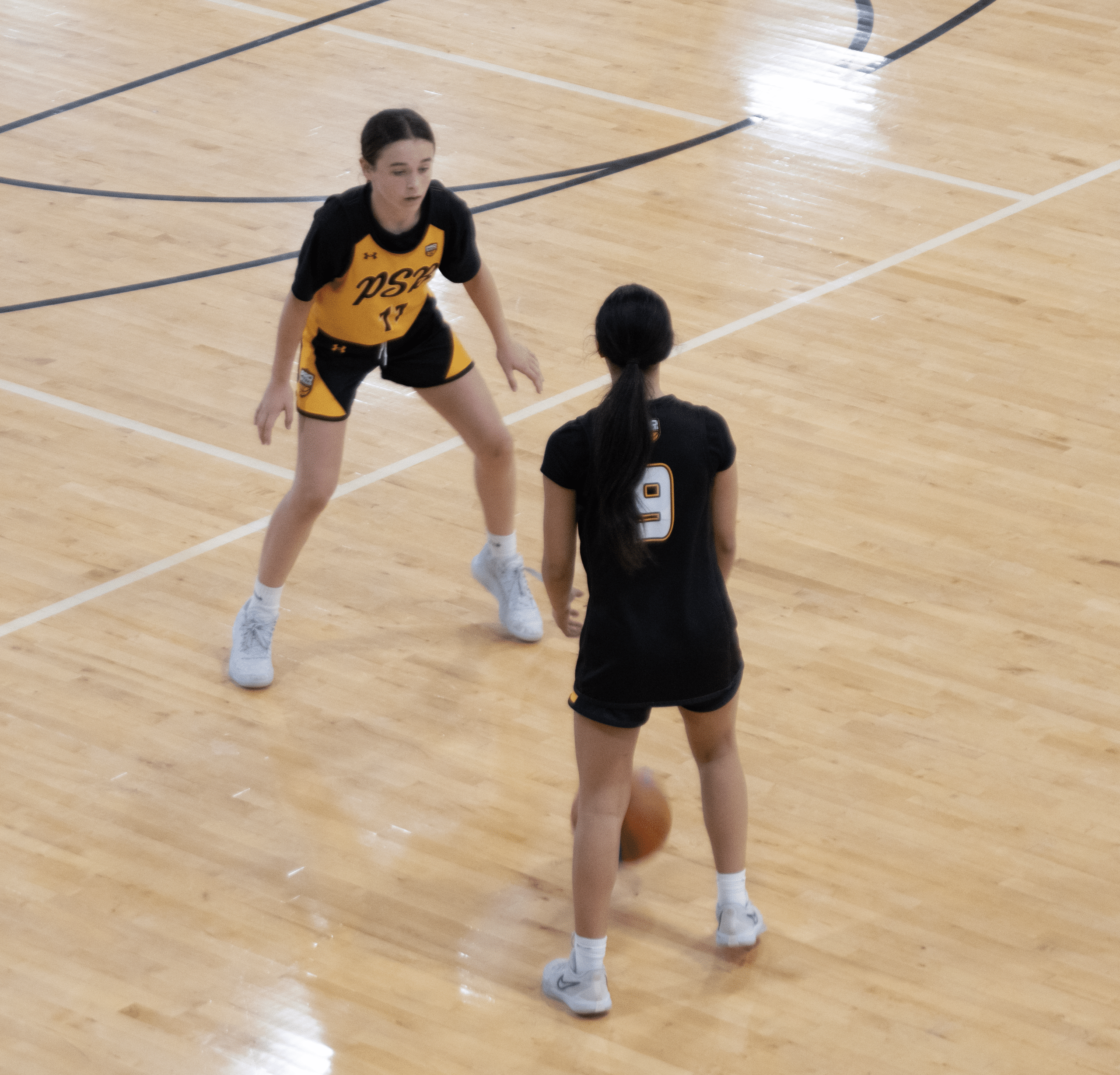
What should parents do about limited playing time?
This is where you have the most influence, and it has very little to do with talking to the coach. The tone you set on the ride home and around the dinner table shapes how your child interprets the whole experience.
If you frame limited minutes as a challenge to overcome, your child tends to rise to it. If you focus on what feels unfair, on the coach’s decisions, or on other players, you can unintentionally teach blame and entitlement. Ask better questions. Instead of “Why didn’t you play more?” try “What is one thing you could get better at this week?” The first question makes your child a victim. The second makes them the author of their own progress.
Keep the long view, too. The data is humbling: roughly 3.6% of high school boys basketball players go on to compete at any NCAA level, and only about 1.1% reach Division I. For the vast majority of young athletes, the lasting value of basketball is not a scholarship. It is the friendships, the work ethic, and the lessons in handling adversity. If you are curious about what the path actually looks like, our overview of the college recruiting process lays it out honestly.
Should I talk to the coach about playing time?
Usually the player should, not the parent, and not right after a game. A respectful conversation where your child asks “What can I work on to earn more minutes?” tells the coach they are coachable and serious. If you do reach out as a parent, ask about your child’s development, not about minutes or other players. Coaches respond to families who are partners in growth, not advocates for a stat line.
Why does protecting the fun matter most?
Here is the part that gets lost in the frustration over minutes. The average child quits a given sport by around age 11, after fewer than three years of playing, and the number one reason is that it stopped being fun. Pressure over playing time is one of the fastest ways to drain that fun.
Competition involves struggle, failure, and frustration, and that is exactly why youth sports teach so well. But the lesson only sticks if your child still loves the game. Keep the experience built around effort, friendships, and improvement, and the playing time tends to take care of itself over time. Push too hard on minutes, and you risk losing the player entirely. If you want a deeper look at this balance, our piece on the developmental benefits of basketball is a good companion read.
Playing time: what a player controls vs. what they don’t
| In your child’s control | Out of your child’s control |
|---|---|
| Effort and energy on every rep | The coach’s overall game plan |
| Defense, rebounding, and hustle | How talented the other players are |
| Body language and attitude on the bench | The score and game situation |
| Extra work in practice and at home | Referee calls and matchups |
| Being a great teammate | The coach’s final substitution decisions |
The path to more minutes runs entirely through the left column. The more energy your child spends there, and the less they spend frustrated by the right column, the faster things change.
Frequently Asked Questions
How long does it take to earn more playing time?
It varies, but a player who locks in on one needed role and competes hard in practice can often see a change within a few weeks. Coaches reward consistency, so the key is showing up that way every day, not just once.
Is it better to switch teams if my child barely plays?
Sometimes. If the level is clearly too competitive and your child is losing confidence, a more development-focused team can be the right call. But first make sure they have genuinely tried to earn minutes through effort and role mastery, because that lesson travels with them to any team.
Should my child specialize in basketball to get more playing time?
Not at a young age. Multi-sport athletes generally develop better coordination and avoid burnout, and early specialization is linked to higher injury and dropout rates. Improvement comes from quality focused work, not from playing one sport year-round.
What if the coach is genuinely being unfair?
It happens. Keep the focus on what your child can control, document specifics if needed, and have your child request a respectful conversation about how to earn more time. If the environment is harming their love of the game, it is reasonable to look for a better fit rather than fight every decision.
How can my child improve fast enough to make a difference this season?
Pick one or two skills with high impact, usually defense, rebounding, or ball handling, and work on them with purpose several times a week. Visible, consistent effort is what changes a coach’s mind, and a structured training environment accelerates it.
Sources

 6 Challenges Players Overcome in Youth Basketball