
Key takeaways: The best way to help your child at a youth basketball tournament is to prepare well before tip-off, cheer positively during games, and keep the car ride home light. Pack the bag and confirm the schedule the night before. Arrive 30 to 40 minutes early and eat a real meal 2 to 3 hours before tip-off. Let the coaches coach, and wait at least an hour after games to talk about performance.
In This Article
The best thing parents can do at a youth basketball tournament is simple: prepare well before tip-off, cheer positively during games, and keep the car ride home light. Youth basketball tournaments are long, competitive days where preparation and attitude make a bigger difference than most parents realize. This guide covers everything you need to know to help your player arrive ready, compete with confidence, and leave with a good experience no matter what the final score says.
At Pro Skills Basketball, we work with players across 28 cities nationwide and have seen firsthand how tournament days go. The players who thrive are almost always the ones whose families are prepared, positive, and focused on development over results.
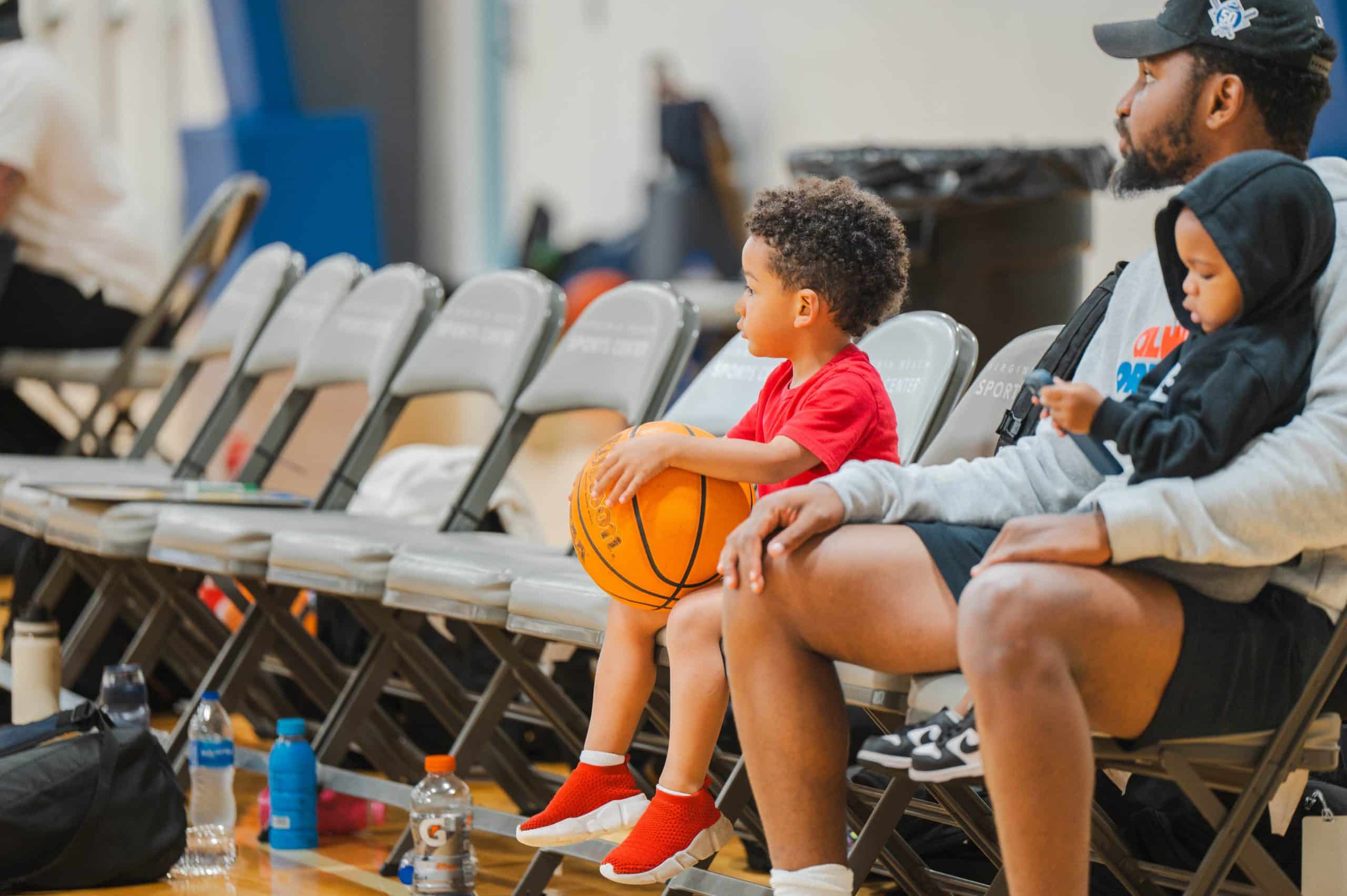
In a 2020-21 national survey by the Aspen Institute’s Project Play and Resonant Education, 81% of high school athletes said having fun was their biggest reason for playing sports. Fun ranked ahead of every other motivation, including winning. (source)
The Night Before: What to Pack and Prep
Tournament mornings are chaotic enough without scrambling to find gear. The night before is when good tournament habits start.
What to pack:
- Basketball shoes (game-ready, tied and tested)
- Full uniform: jersey, shorts, both colors if your team carries alternates
- Water bottle, filled and labeled
- Two to three healthy snacks that don’t require refrigeration
- A light jacket or hoodie for warm-ups and between games
- Headphones if your player uses music to focus before games
Confirm the tournament schedule the night before. Know tip-off times, facility address, parking, and whether the facility requires entry fees or wristbands. Multi-game tournament days can run 8-10 hours. The families who arrive frazzled are usually the ones who skipped this step.
Game Day Morning Routine
How players eat and sleep the night before and morning of a tournament matters more than most parents appreciate.
Sleep: Target 8-9 hours for players ages 10-14, 8 hours for high school players. Late nights at the hotel watching TV or scrolling phones hurt performance more than most physical preparation helps it.
Breakfast: Eat something real 2-3 hours before tip-off. Complex carbohydrates and protein are the standard sports nutrition recommendation: oatmeal, eggs, whole grain toast, fruit. Skip heavy, greasy fast food that sits in the stomach. A small amount of caffeine in sports drinks is fine for high school players, not for younger players.
Arrival time: Plan to arrive at least 30-40 minutes before tip-off. Players need time to warm up, get on the floor, and settle their nerves before competing. Racing in at game time creates anxiety that takes the first quarter to shake off.
How to Support Your Player During Games
This is where youth basketball tournaments get complicated. Sideline behavior from parents is one of the most significant factors in how players experience competition. Research on youth athlete development consistently shows that parental sideline behavior directly affects player enjoyment, confidence, and long-term sport participation.
What helps:
- Cheer for effort and hustle, not just baskets
- Use positive, general encouragement: “Stay with it,” “Good defense,” “Keep competing”
- Stay calm when things go badly. Players watch parents’ faces and body language constantly.
- Let the coaches coach. Your player has two authorities on the floor; adding a third voice from the stands creates divided attention.
What hurts:
- Calling out specific plays or decisions from the sideline (“Drive it!” “Pass the ball!”)
- Reacting visibly to missed shots, bad calls, or turnovers
- Critiquing other players on the team. Even quietly, players notice.
- Arguing with officials in any way
The goal for parents during games is simple: be someone your player is glad to look up at. If your player looks into the stands and sees a calm, supportive face, that’s composure reinforcement. If they see visible frustration, that’s added pressure during an already high-pressure moment.
Making the Most of Time Between Games
Multi-game tournament days have gaps between games that players typically waste. Here’s how to use those windows well.
Nutrition: Hydration matters more than most players think. Water consistently throughout the day. Sports drinks are fine for active periods. Avoid heavy meals between games. A full stomach competes with athletic performance. Good between-game snacks include:
- Bananas or other fruit
- Granola bars or trail mix
- Peanut butter crackers
- Turkey or chicken wraps, kept light
Recovery: Light stretching and walking is better than sitting still. Keep the body warm and loose. If there’s a longer break, a brief walkthrough of any adjustments the coaching staff mentioned is useful.
Mental reset: Between games is not the time for deep analysis or extended critique from parents. Keep conversations light. Ask about how they’re feeling physically, not about what went wrong in the last game. Save the detailed feedback for later. They have another game to focus on.
The Car Ride Home
The car ride home after a tournament is one of the most important moments of the whole day. It’s also where parents most often undo the good work of staying positive during games.
The principle is simple: don’t talk about performance for at least an hour after competition. Go longer if the game went badly. Players need time to decompress before they’re ready to process feedback. Opening with “You needed to move your feet on defense” before the car is out of the parking lot lands very differently than having that conversation the next day.
What works immediately after a tournament:
- “You competed hard today.”
- “I loved watching you play.”
- “What do you want to eat?”
That’s it. Let the player lead if they want to debrief. Many will. When players self-initiate the debrief, they’re ready to process and learn. When parents initiate it before players are ready, it often shuts them down.
How the Right Program Sets Your Player Up to Compete
Youth basketball tournament tips only go so far if the underlying program isn’t building competitive readiness. The practices, coaching, and environment your player is in the other six days a week determine how they show up on game day.
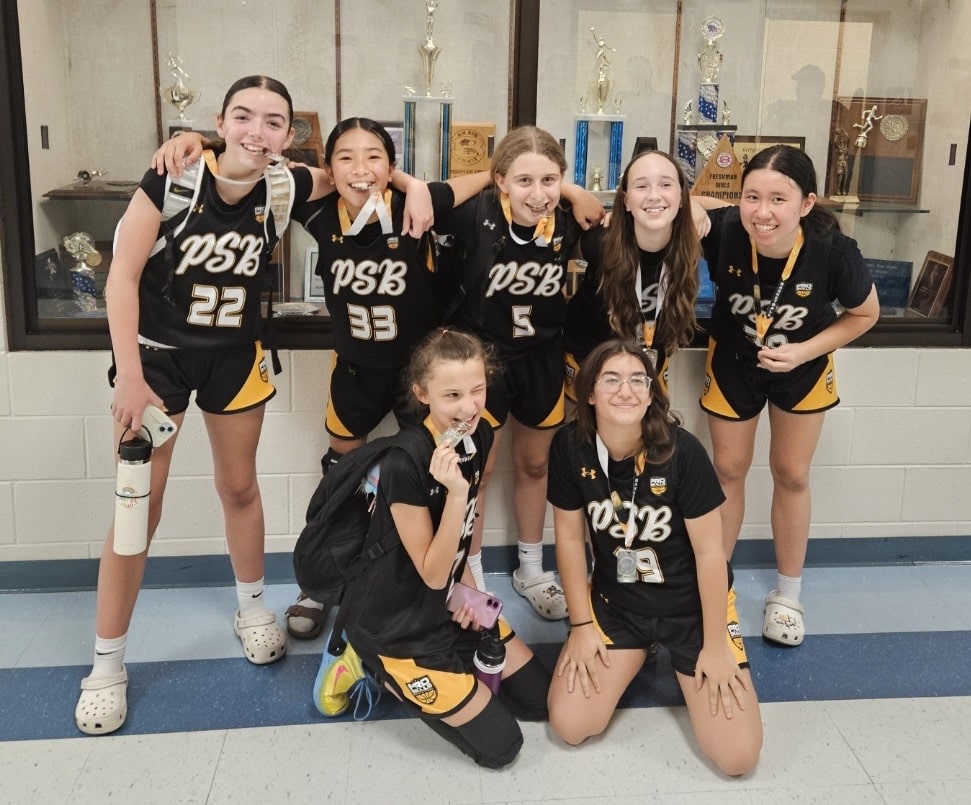
At Pro Skills Basketball, our teams compete in tournaments throughout the spring season as part of a structured player development program. Our coaches are USA Basketball certified, and PSB is a Jr. NBA Flagship Network organization, designated as one of 18 best-in-class youth basketball organizations in the country. Players trained in high-quality competitive environments handle tournaments differently. They’ve seen pressure in practice and know how to respond.
Spring season is currently underway and open spots are still available on PSB teams across the country. Fill out our interest form and a City Director will reach out personally to talk through options for your player. No commitment, just a conversation.
Frequently Asked Questions About Youth Basketball Tournaments
What should my child eat before a youth basketball tournament?
Have your player eat a real meal 2-3 hours before tip-off. Complex carbohydrates and protein work best: oatmeal, eggs, whole grain toast, and fruit are all solid options. Avoid heavy or greasy food that sits in the stomach during competition. Hydration starts the night before, not the morning of the tournament.
How should parents behave at youth basketball tournaments?
Stay positive and let the coaches coach. Cheer for effort and hustle rather than calling specific plays or decisions from the stands. Avoid reacting visibly to bad calls, missed shots, or turnovers. Your player watches your face during tough stretches. A calm, supportive presence in the stands helps them stay focused on competing.
How do I help my child deal with a bad game at a tournament?
Keep the car ride home light. Tell them you loved watching them play, get them food, and let them decompress. Don’t initiate a performance debrief in the car or immediately after the game. Most players process better the next day, and many will bring it up themselves when they’re ready. That’s when the real learning happens.
How many games are in a typical youth basketball tournament?
Most youth basketball tournaments include 3-5 games over one or two days. Pool play typically involves 2-3 games on day one, followed by bracket play on day two. Total game count depends on the tournament format and how far a team advances. Single-day tournaments usually have 2-4 games.
What’s the best way to prepare for a youth basketball tournament?
Preparation starts the night before. Pack the bag, confirm the schedule, and get adequate sleep. On game day, eat a solid meal 2-3 hours before tip-off, arrive at the facility 30-40 minutes early, and allow time for warm-up. Between games, stay hydrated, eat light snacks, and keep the mental environment positive. The logistics determine a lot about how a player feels walking into tip-off.
Sources

By Brendan Winters, Co-Founder and Chief Growth Officer
Brendan co-founded Pro Skills Basketball in 2009 and is its Chief Growth Officer. At Davidson College he was a two-time All-American and Southern Conference Player of the Year. He then played five pro seasons in France, Germany, Hungary and Greece.

 What to Look for in a Youth Basketball Coach (And What to Avoid)