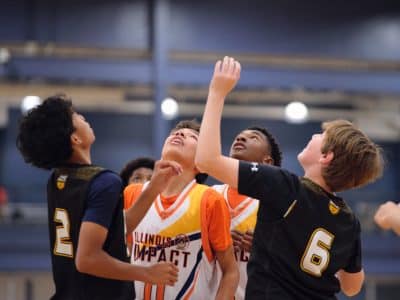
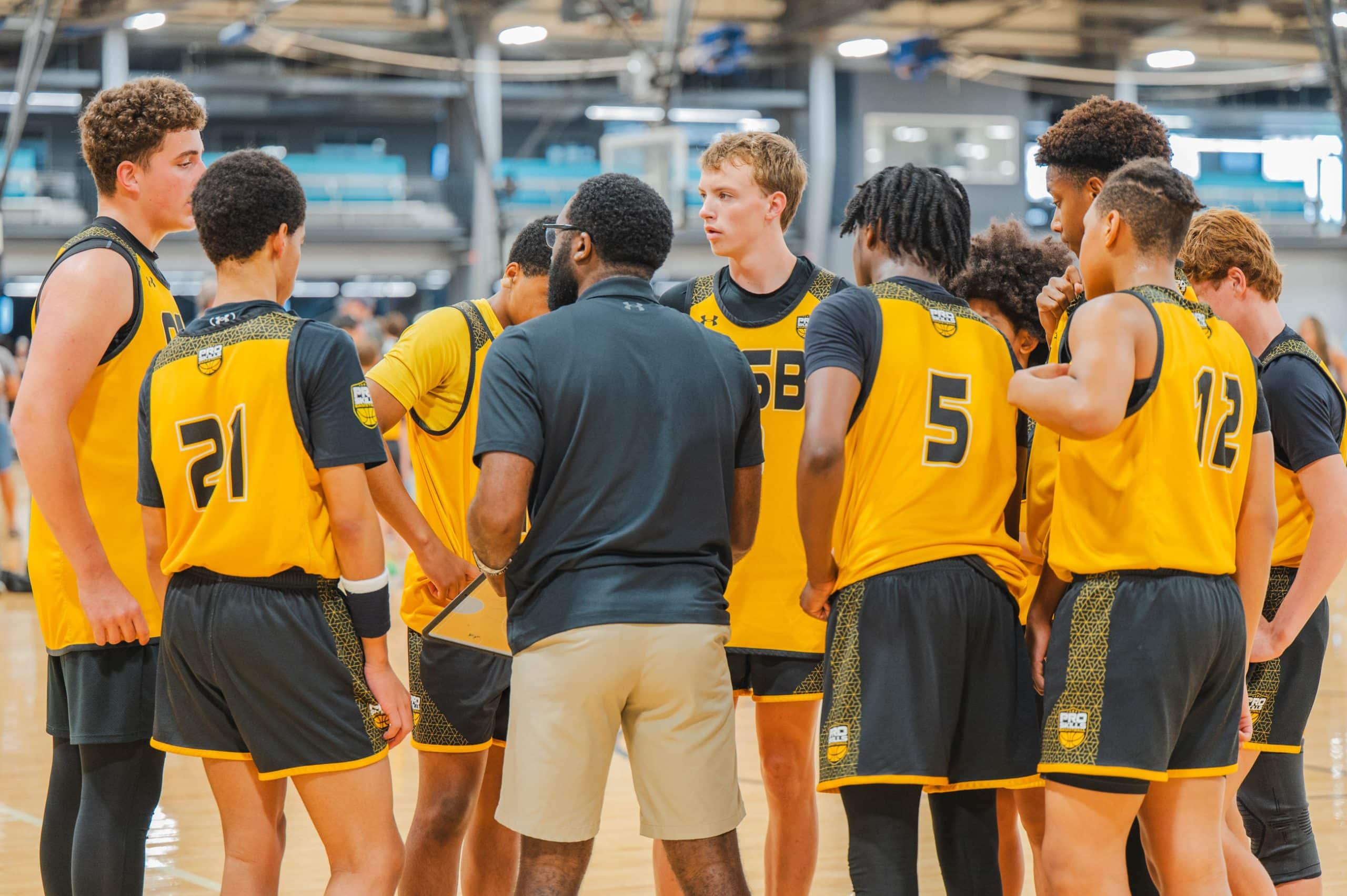
The right basketball skills trainer for your player has real playing or coaching credentials at the high school, college, or pro level. The trainer also has a structured curriculum, clear communication with families, and a teaching style that fits your player’s age and development stage. Picking the wrong trainer wastes summers and money. Picking the right one accelerates everything.
Key Takeaways
- Credentials matter more than the gym or the marketing
- A real curriculum beats highlight-reel drills every time
- Teaching style has to match your player’s age and personality
- Communication with parents is a quiet predictor of trainer quality
- One great trainer beats three mediocre ones
Why Hire a Basketball Skills Trainer at All?
Team practice and games are not always enough for individual skill development. A skills trainer fills the gap. Done right, individual training accelerates fundamentals, builds confidence, and gives your player a structured outlet beyond team work.
Done wrong, it is expensive babysitting with a basketball.
The difference is the trainer. Below is how to evaluate one before you commit your summer to them.
Basketball remains the most popular team sport among U.S. youth, with nearly 1 in 4 children (ages 6-17) playing it at least once in 2022, according to the Aspen Institute’s Project Play State of Play report. (source)
What Credentials Should a Basketball Skills Trainer Have?
Look for one or more of the following:
- Played at the high school, college, or pro level
- Coached at the high school, college, or pro level
- Holds a USA Basketball Coach License or similar formal credential
- Track record of player development, not just social media reach
Credentials are not everything. Plenty of great trainers built their craft outside traditional paths. But credentials are a useful first filter. Anyone with no real playing or coaching background, no certifications, and no clear development track record should be a hard pass.
“Find a coach who can teach and correct. Development matters more than hype.”
Paul Biancardi, ESPN National Director of Recruiting
Does the Trainer Have a Real Curriculum?
The best trainers can answer simple questions:
- What does the first 8 weeks with my player look like?
- What skills will be covered, in what order?
- How do you measure progress?
- What does my player need to work on between sessions?
If the answers are vague (“we just see what they need that day”), that is not a curriculum. That is improvisation. Improvisation is what social media trainers do. Real development is a plan.
How Important Is the Age and Skill Match?
A trainer who specializes in college-level players is rarely the right fit for a 9-year-old. A trainer who runs fun drills for elementary players will bore a high school recruit.
Ask the trainer:
- What ages do you typically work with?
- What does a typical session look like for a player my child’s age?
- Can I see a session before committing?
The right match feels obvious. Your player is engaged, the trainer is teaching, and the work matches what your player actually needs.
What Teaching Style Should I Look For?
The right teaching style depends on your player. A few things to watch for:
- Does the trainer demonstrate or just describe?
- Do they correct form in real time, or let bad reps pile up?
- Do they push and challenge, or just run through drills?
- Do they balance hard with positive?
The best trainers do all four. Demonstrate, correct, challenge, and encourage. If the energy is flat, the player will check out within a few sessions.
How Do Good Trainers Communicate With Parents?
Real trainers send updates. After sessions, after weeks, when something significant clicks. They flag concerns without drama and celebrate wins without inflation. You should know what your player worked on without having to ask.
Trainers who go quiet between sessions, who never give homework, and who only respond when payment is due are running a transactional business, not a development one.
How Much Should a Basketball Skills Trainer Cost?
Rates vary widely by market and trainer credentials:
- Group sessions (3-6 players): $25 to $60 per session
- Semi-private (2-3 players): $60 to $120 per session
- Private one-on-one: $75 to $200+ per session
Cost is not always tied to quality. A $50 group session with a great trainer can outpace a $150 private session with a mediocre one. Look at credentials, curriculum, and fit before price.
| Training Format | Players per Session | Typical Cost | Best For |
|---|---|---|---|
| Group | 3-6 players | $25 to $60 / session | Cost-effective reps and competition |
| Semi-private | 2-3 players | $60 to $120 / session | Balance of attention and competition |
| Private one-on-one | 1 player | $75 to $200+ / session | Focused, targeted skill work |
What Are the Red Flags When Picking a Trainer?
Avoid trainers who:
- Promise scholarships, exposure, or specific outcomes
- Cannot answer basic questions about their curriculum
- Run sessions that look like they were copied from social media reels
- Have no relationships with local high school or AAU coaches
- Push you to commit to long packages before you have seen a session
- Bad-mouth other trainers, programs, or coaches
Real trainers do not need to oversell. Their work and their players speak for them.
Frequently Asked Questions
How often should my player work with a basketball skills trainer?
One to two sessions per week is realistic for most youth players, paired with team practice and individual work. Two sessions per week is the upper limit during the season; off-season can support up to three with proper recovery.
At what age should my child start working with a skills trainer?
Most players benefit starting around age 8 or 9, when fundamentals start to matter and attention spans support a 30-45 minute session. Younger players are usually better off with team practice and free play.
Should my player do private or group training?
Group training is more cost-effective and adds competition; private training gives focused individual attention. Many committed players do both: a weekly group session for competitive reps and an individual session for targeted skill work.
Will a trainer guarantee my player makes the team or gets scholarship offers?
No. Trainers who guarantee outcomes are red flags. Good trainers commit to development, not results. Outcomes depend on your player’s effort, the team they try out for, and dozens of other factors outside the trainer’s control.
How do I know my player is making progress with the trainer?
Look for measurable improvements every 4 to 6 weeks: shooting percentage, ball-handling fluidity, defensive footwork, basketball IQ. The trainer should track these and share them. If you cannot see progress in 2 to 3 months, the fit may be wrong.
The Bottom Line
Picking the right basketball skills trainer is one of the highest-leverage decisions a basketball family makes. Credentials, curriculum, age fit, teaching style, and communication are the five things to evaluate. Avoid red flags. Trust the trainers who are clear about what they do and how they do it.
Pro Skills Basketball runs individual workouts, academies, and skills clinics across 28 cities, staffed by USA Basketball certified coaches with real playing and coaching backgrounds. If you would like to know what is available in your city, our City Directors are happy to talk.
Sources

By Brendan Winters, Co-Founder and Chief Growth Officer
Brendan co-founded Pro Skills Basketball in 2009 and is its Chief Growth Officer. At Davidson College he was a two-time All-American and Southern Conference Player of the Year. He then played five pro seasons in France, Germany, Hungary and Greece.

 Best At-Home Basketball Shooting Workouts (No Coach Required)