

Making the AAU B team is not a setback. Players on the second squad usually get more minutes against peers of similar ability, more chances to lead, and faster skill growth. With only about 3.6% of high school boys’ basketball players reaching any NCAA division, steady playing time at every age matters more than a team label.
Last updated: June 2026
Key Takeaways
- B team players typically log far more game minutes than role players on the A team, and minutes drive development.
- Smaller talent gaps mean your child competes against, and learns from, players at their own level.
- Second-squad rosters open up leadership and ball-handling roles that rarely go to younger or newer A team players.
- A two-team setup keeps your child in the program instead of cut, so they keep improving year over year.
- How a player responds to a B team assignment teaches more about character than the assignment itself.
At Pro Skills Basketball, we field more than one squad in most age groups, usually a Gold (A) team and a Black (B) team. We do this on purpose. Cutting borderline players is the easy path. Keeping them on a second team, where they actually play, is the one that helps more kids get better. If your child landed on the B team this season, here is what that really means and why it is often the better spot for development right now.
Is the AAU B team worse than the A team?
No. The A team is not “good players” and the B team “everyone else.” The difference is usually a half-step of current ability, and current ability at age 10 or 13 tells you very little about who is playing varsity at 16. What separates the two rosters most often is age within the group, experience, and how recently a player joined. A talented fifth grader on a sixth-grade B team is in a great development spot, even if the label sounds like a demotion.
| Factor | A Team (Gold) | B Team (Black) |
|---|---|---|
| Playing time for a mid-roster player | Often limited; minutes flow to top scorers | Higher and more consistent across the roster |
| Talent gap between teammates | Can be wide; younger players chase the top | Narrower; players compete at their own level |
| Leadership and ball-handling roles | Usually held by the top two or three players | Open to more players, sooner |
| Path forward | Already at the top of the age group | Clear next step: earn a Gold spot next season |
Why does more playing time matter so much?
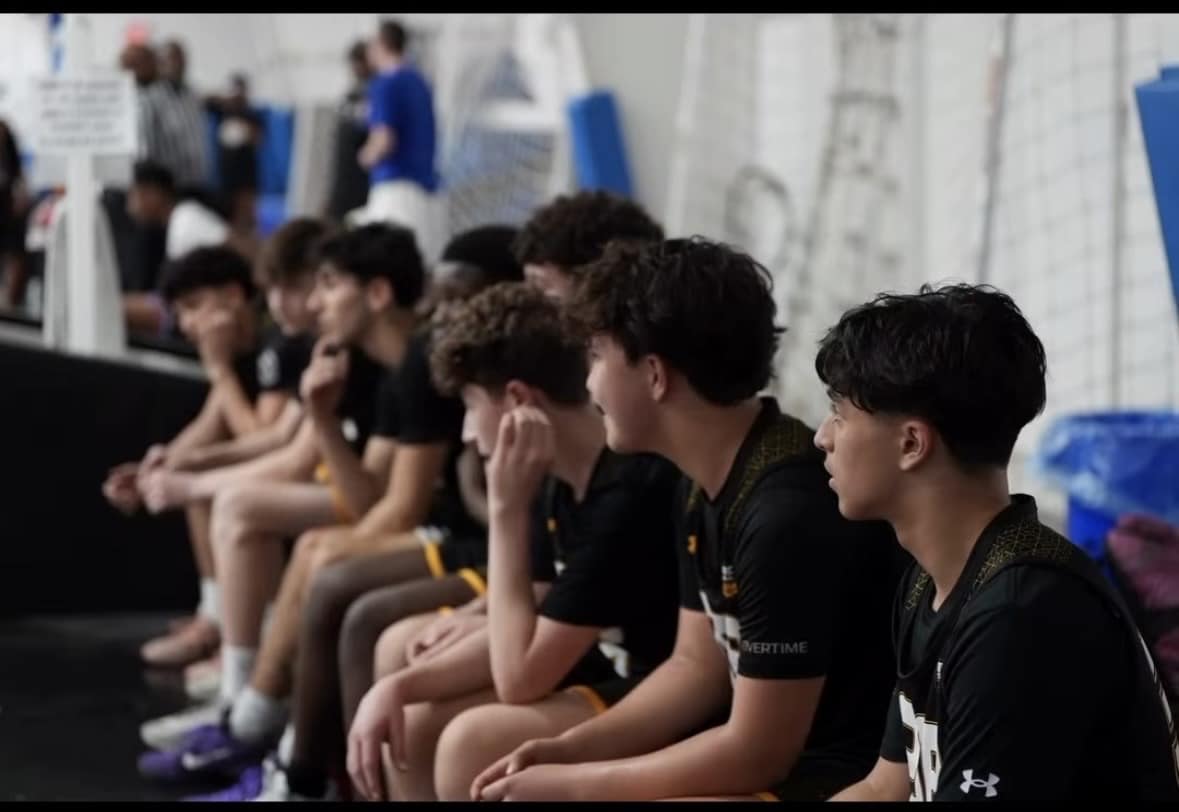
Minutes are where development happens. A player can practice a crossover a thousand times in the driveway, but pulling it off against live defense, under pressure, with a coach watching, is a different skill. That only comes from game reps. On a B team, your child is not buried at the end of the bench behind three guards. They are on the floor, making decisions, making mistakes, and adjusting.
This is one reason single-team, win-now AAU models leave so many kids behind. When playing time concentrates on a few stars, the rest of the roster stops improving and many of them stop playing altogether. Youth participation data backs this up: the average number of sports a child plays has been falling, and kids who do not get meaningful playing time are among the first to walk away. A second team keeps your child in the game, literally and figuratively.
Repetition builds the habits that hold up under pressure
Consistent minutes let a player groove the fundamentals that matter at the next level: handling the ball against a press, finishing through contact, talking on defense, reading a closeout. These are the same habits college coaches look for in recruits years later. They are built in middle school, on the floor, not on the bench.
What leadership opportunities open up on a B team?
On an A team, the ball and the spotlight tend to find the same two or three players. On a B team, roles spread out. Your child might bring the ball up for the first time, take the last shot, or be the one organizing the defense. Those are not consolation prizes. They are exactly the experiences that turn a quiet role player into a confident one.
We see this every season. A player who never touched the ball in pressure moments on a top team becomes a floor general on the second squad, then carries that confidence up to Gold the following year. Leadership is a skill, and like any skill it needs reps. The B team is often where a young player gets their first real ones.
What does earning your spot teach a young player?
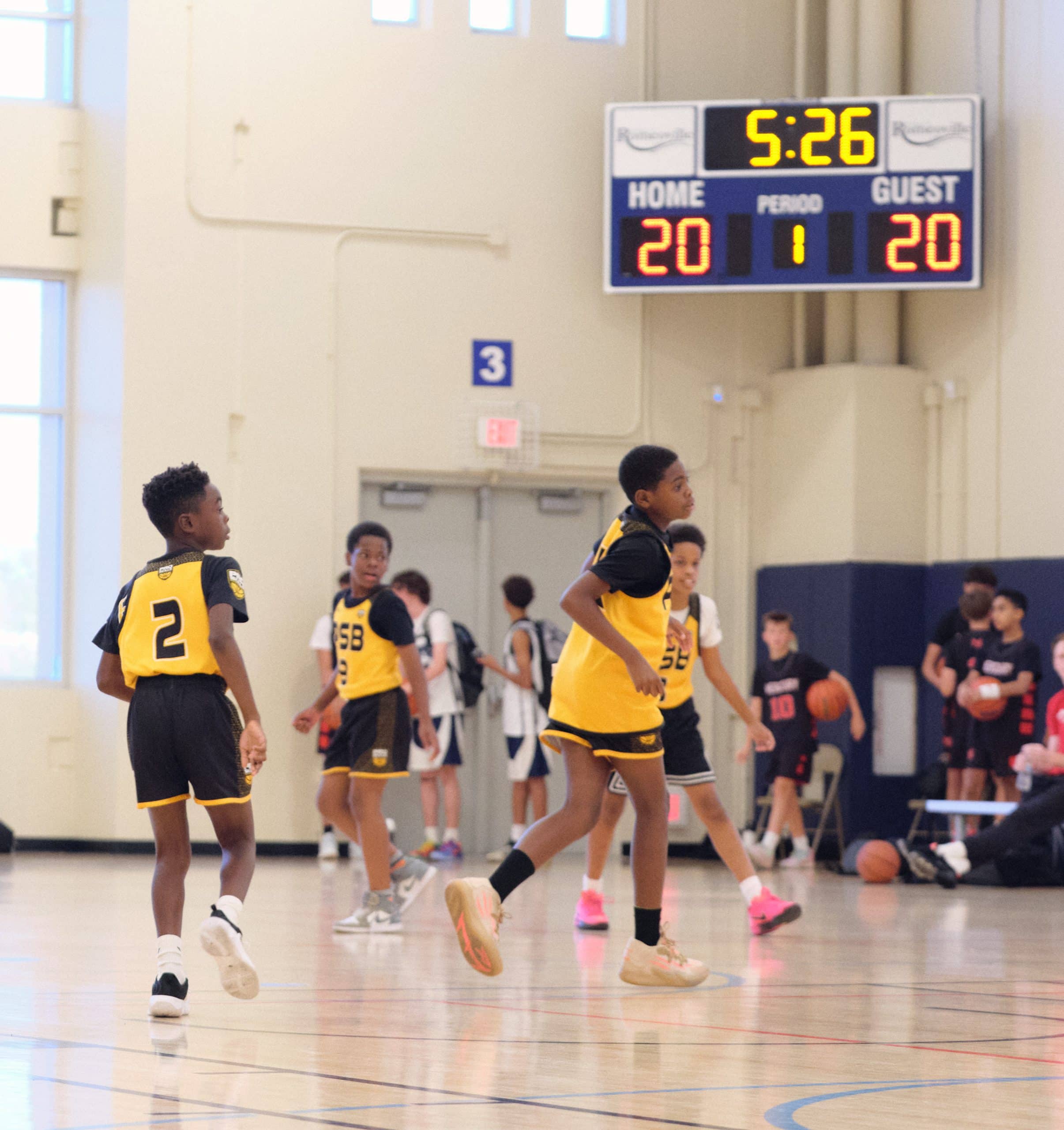
Basketball rewards work. Minutes and roles are earned through effort, not handed out by age or reputation. A player who starts on the B team and sets a goal of making Gold learns something that outlasts the season: that improvement is in their control. Extra shooting, conditioning, and film study show up in tryouts. Goals get met because someone did the work, not because someone was owed.
“Practice with the purpose to improve. Play to win. And above all, be a person of high character.”
— Paul Biancardi, ESPN National Director of Recruiting
How a player handles a B team assignment is its own test of character. The ones who sulk tend to stay put. The ones who treat it as a starting line tend to move up. That response, more than any single skill, is what we are watching for and what carries over into school, work, and life.
How should parents handle a B team assignment?
Honestly, this is often harder on parents than on players. A B team label can feel like a verdict on your child, and the instinct is to push back. The most helpful thing you can do is the opposite: treat it as a development plan, not a demotion.
That means asking the coach what specific skills would move your child toward Gold, then supporting the work without making every car ride about the depth chart. Kids read their parents’ disappointment quickly, and it can sour a season that would otherwise build real confidence. When parents stay positive and patient, players are free to enjoy the game and improve, which is the whole point of playing AAU basketball in the first place.
Frequently Asked Questions
Can a B team player move up to the A team?
Yes, and it happens regularly. Rosters are reassessed each season, and players who develop and show up in tryouts move up. The B team is a starting point, not a ceiling.
Will playing on the B team hurt my child’s chances of playing in college?
No. At the youth level, development matters far more than which team a player is on at age 11 or 13. With only about 3.6% of high school boys’ players reaching any NCAA division, the priority is steady improvement and a love of the game, both of which come from playing, not from a label.
Does the B team play the same schedule and get the same coaching?
At PSB, both teams run the same development model with experienced coaches. The competition level is matched to the team so players face opponents at their own level instead of getting overwhelmed or sitting out.
My child is upset about not making the A team. What should I say?
Acknowledge the disappointment, then reframe it around what they can control. Ask what they want to get better at this season and help them set one or two concrete goals. The response to the assignment shapes the season more than the assignment itself.
Is the B team less competitive?
It is competitive against the right opponents. Because talent gaps within the roster are smaller, games are often closer and every player’s effort matters more, which is exactly what drives growth.
Sources

 College Basketball Recruiting: Bigger vs. Better