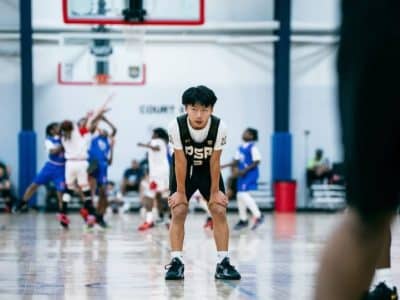
Start preparing for basketball tryouts eight to twelve weeks out. Use structured workouts that build ball handling, shooting, conditioning, and decision-making. Only about 3.6% of high school boys basketball players go on to play in college. So the players who stand out are the ones who train with a plan, not the ones who cram the week before.
Key Takeaways
- Begin a structured workout block 8 to 12 weeks before tryouts so skills and conditioning peak at the right time.
- Coaches notice effort, footwork, shooting consistency, and how a player reads the game, not just highlight plays.
- Match the plan to your child’s level: beginners build fundamentals, intermediate players add game reads, advanced players sharpen pace and physicality.
- Conditioning matters because most tryout cuts happen in transition and late-drill fatigue, when tired players stop moving their feet.
- Thirty to forty-five focused minutes a day beats two unfocused hours; consistency is what separates players by tryout week.
As summer winds down and school tryouts move onto the calendar, middle school and high school players have a real window to get better. The work done in July, August, and September is what shows up when a coach is holding a clipboard in October.
At Pro Skills Basketball, we coach players to train with purpose. They build the skill, condition the body, and learn to make decisions at game speed. Below is a month-by-month framework you can run at home, on a driveway, or at a local gym.
When should my child start training for basketball tryouts?
Eight to twelve weeks out is the sweet spot. That gives a player enough runway to build a real base of conditioning and clean up shooting mechanics without the workouts becoming a grind. Starting too late means cramming, and cramming leads to sloppy reps and sore legs on tryout day. Starting with a plan means a player arrives loose, confident, and in shape.
Think of it in three phases. The first three to four weeks rebuild fundamentals and conditioning. The middle weeks layer in game situations and shooting under fatigue. The final two weeks sharpen everything and back off the volume so legs are fresh. If you want a deeper look at the drills that fit this window, our guide to the best basketball drills for middle school players pairs well with the schedule below.
Why does offseason training matter so much?
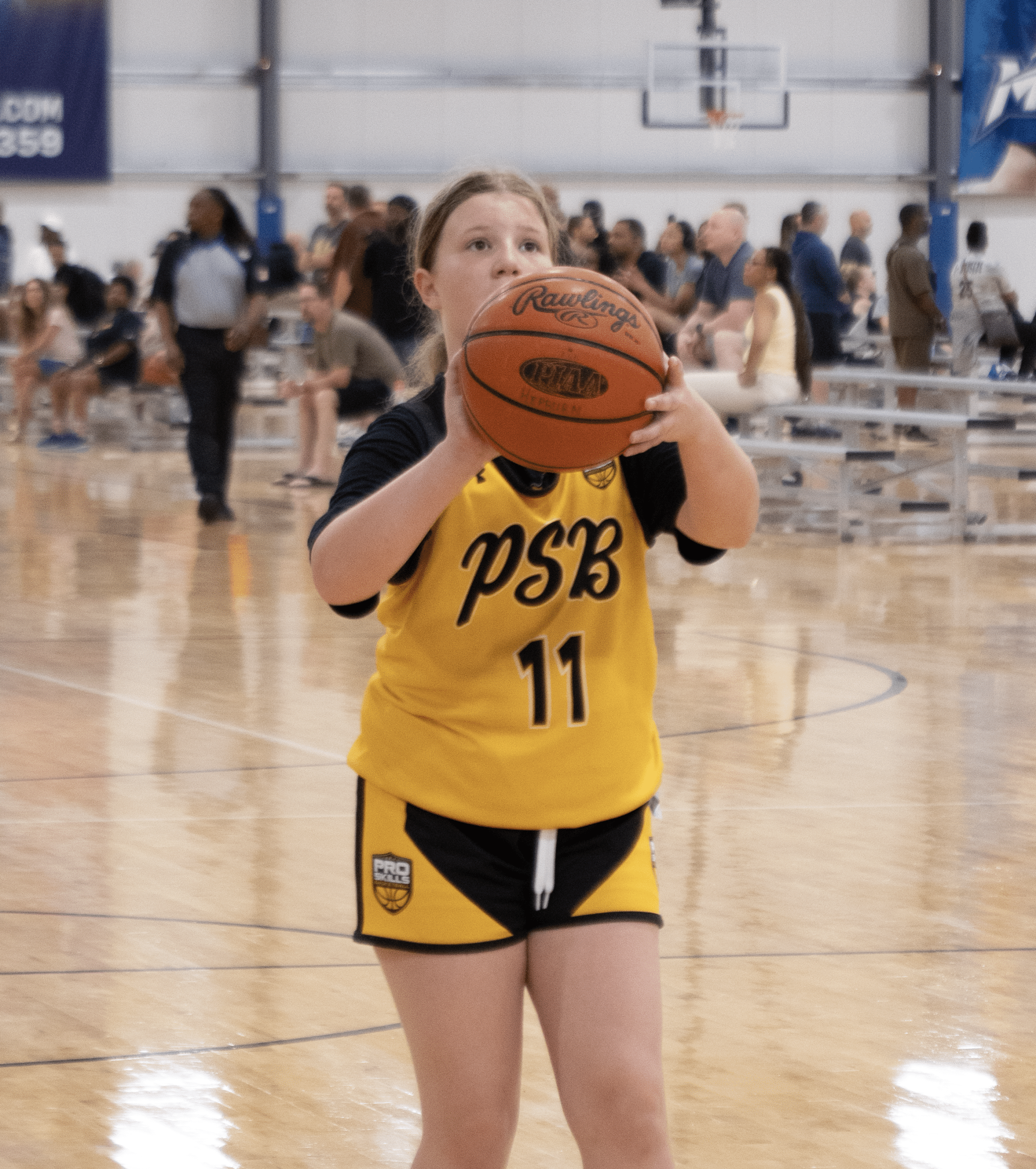
During the school season, most teams have almost no time for individual player development. Practices are built around the team, the next opponent, and game prep. That leaves the offseason as the one stretch where a player can actually move the needle on their own game. Use July through October to:
- Sharpen fundamental skills like ball handling and finishing
- Build athletic movement, balance, and stamina
- Learn to perform under pressure and fatigue
- Develop communication and leadership habits
- Separate from the pack when tryouts begin
There is a second reason the offseason matters, and it has nothing to do with making the team. The Aspen Institute’s Project Play reports that children quit a given sport after about 2.86 years on average, most often because they stopped having fun. A player who builds real competence over a summer tends to enjoy the game more, and enjoyment is what keeps young athletes in the sport. Getting better and staying engaged go hand in hand.
What does a tryout-prep workout schedule look like by level?
Pick the track that matches where your child is right now. A first-time player and a varsity hopeful need different work, and pushing a beginner into an advanced plan usually backfires.
Beginner: new or first-time players
Focus: fundamentals, confidence, and consistency. Frequency: 3 days a week.
- Day 1, ball control and finishing: stationary and on-the-move handling (15 min), layup series with both hands (15 min), spot shooting with form focus (10 min), footwork and balance (10 min), free throws (10 min).
- Day 2, shooting and passing: passing on the move against a wall or partner (10 min), form shooting into midrange (20 min), closeouts and footwork (10 min), cone-sprint conditioning (10 min), free throws (10 min).
- Day 3, game situations: 1-on-1 with a partner or shadow defender (15 min), read-and-react decision drills (15 min), transition push into a layup (15 min), short film review or journaling (15 min).
If shooting form is the priority, our breakdown of at-home basketball shooting workouts gives a beginner a clear routine to repeat.
Intermediate: played before, wants to level up
Focus: efficiency, decision-making, shot quality. Frequency: 4 to 5 days a week.
- Day 1, handles and reads: two-ball and pressure-resistance handling (15 min), game reads such as drive-and-kick and pick-and-roll options (20 min), closeout and slide footwork (10 min), finishing through contact (15 min).
- Day 2, shooting and conditioning: shooting off the catch (15 min), shooting off movement like pin-downs and flares (20 min), mental reps with visualization and cue words (10 min), full-court sprints and free throws under fatigue (15 min).
- Day 3, rest and recovery: light shooting, stretching, and film study.
- Day 4, competitive edge: 1-on-1 situational scoring with a three-dribble max (20 min), game-speed passing and shooting with a partner (15 min), rebounding and hustle drills (10 min), free throws with consequences (10 min).
- Day 5, combo workout: combine favorite drills from the week and track shooting numbers over time.
Advanced: varsity-level or elite club player
Focus: efficiency, pace, physicality, reads under pressure. Frequency: 5 to 6 days a week.
- Day 1, explosive starts: mobility prep (10 min), ball screens and decisions (15 min), three-level finishing including floaters and euros (20 min), defensive breakdown drills (15 min).
- Day 2, pro shooting routine: shooting off the dribble with change of direction (15 min), relocation and movement threes (20 min), goal-based free throws (10 min), strength training (20 min).
- Day 3: film and skill maintenance.
- Day 4, live situations: 1-on-1, 2-on-2, or 3-on-3 with constraints (30 min), transition scoring and decisions (15 min), recovery and mental focus (15 min).
- Day 5, conditioning and challenge: full-court control into scoring (15 min), reaction drills (10 min), a competitive shooting game against the clock (15 min), closeout and rebounding series (10 min).
Which workout track fits my child?
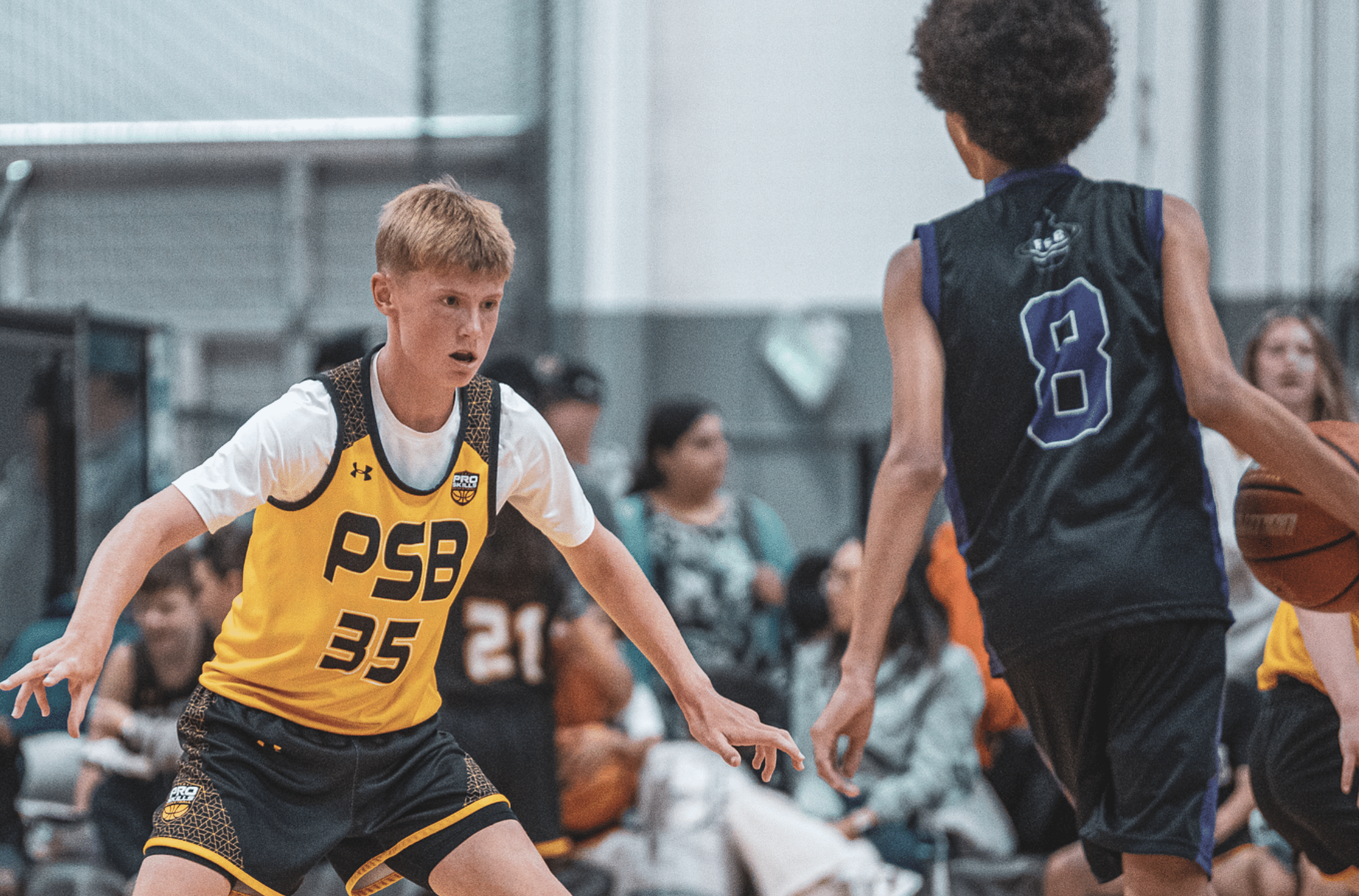
Use this quick comparison to choose the right starting point and set realistic expectations for the weeks ahead.
| Level | Days per week | Main goal | Best for |
|---|---|---|---|
| Beginner | 3 | Fundamentals and confidence | First-time or returning players |
| Intermediate | 4 to 5 | Efficiency and decision-making | Players moving up a depth chart |
| Advanced | 5 to 6 | Pace, physicality, reads | Varsity and elite club players |
What do coaches actually look for at tryouts?
Coaches see hundreds of jump shots, so they stop watching the ball and start watching the player. They notice who sprints back on defense and who talks. They notice who boxes out without being told. They notice who keeps moving their feet when the legs get heavy in the last ten minutes. Skill gets a player in the door. Effort, body language, and conditioning are what earn the spot.
That is why conditioning sits in every track above. Most cuts are decided in transition drills and late-session scrimmages, when tired players stop competing. Train your child to be the one still moving when others are bent over. For more on the mental side, our piece on how to learn to compete in basketball is worth reading together.
“Today’s society wants to skip the process. And I hate that.”
Tom Izzo, Michigan State head coach, Big Ten Media Days (2012)
That line gets at the whole point of a tryout-prep plan. There is no shortcut to making the team. The process is the work, and the work is what shows up in October.
How can parents support the plan without pushing too hard?
The best thing a parent can do is protect consistency and stay off the technical coaching. A few concrete moves:
- Encourage consistency over perfection; a steady 30 to 45 minutes beats an exhausting two-hour session once a week.
- Help guard the schedule, then let your child own the reps.
- Watch film together or talk through game situations instead of critiquing form.
- Consider a local PSB program to supplement home training with experienced coaching.
One caution worth naming: tryout season can turn well-meaning parents into sideline coaches. If you want a candid mirror, our list of the 10 signs of a crazy basketball parent is a useful gut check. Support the effort, celebrate the work, and let the coach coach.
Frequently Asked Questions
How many weeks before tryouts should a player start working out?
Aim for eight to twelve weeks. That window allows a player to build conditioning and clean up skills without rushing, and to taper volume in the final two weeks so legs are fresh on tryout day.
How long should each tryout-prep workout last?
Thirty to sixty minutes of focused work is plenty for most players. Beginners do well with 30 to 45 minutes, while advanced players may run 60 to 90 minutes when strength training is included. Quality and intensity matter more than total time.
Can a player prepare for tryouts at home without a gym?
Yes. Ball handling, form shooting, footwork, conditioning, and free throws can all be done on a driveway or at a park hoop. A partner helps for passing and 1-on-1, but a motivated player can run most of these workouts solo.
What is the single most overlooked part of tryout prep?
Conditioning. Many players train shooting and handles but arrive winded. Because coaches often decide cuts during late-session fatigue, the player who keeps competing when tired has a real edge.
Should a younger player play other sports too?
For middle school players, yes. Playing multiple sports builds athleticism and helps prevent burnout, which is one reason so many young athletes quit early. A focused basketball block before tryouts fits well alongside other activity the rest of the year.
Sources

 Game-Like Basketball Workouts by Age and Skill Level