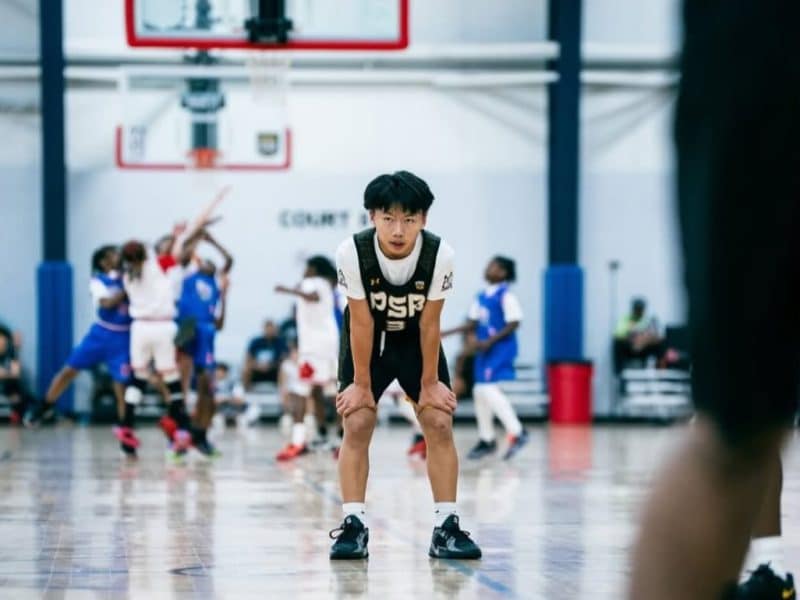
To make a school basketball team, a player should prepare for weeks before tryouts, play to clear strengths, hustle on every possession, communicate on the court, and stay coachable. Roster spots are competitive: of the roughly 537,000 boys playing high school basketball, about 3.6% go on to play any college level, so standing out early matters.
Last updated: June 2026
Key Takeaways
- Coaches notice preparation, effort, and attitude as much as scoring, so train with purpose for weeks before tryouts.
- Your young player should show one or two clear strengths fast. Tryouts are short, and coaches decide quickly.
- Hustle plays (loose balls, box-outs, talking on defense) are the easiest way to stand out without scoring.
- How a player responds to a mistake matters more than the mistake itself. A “next play” mindset signals composure.
- Sleep, hydration, and calm preparation help a player show up sharp rather than nervous or worn down.
Tryout season brings a familiar mix of nerves and excitement to households across the country. Your child wants a roster spot, and you want to help without adding pressure. The good news: most of what earns a spot is within a player’s control. Coaches are watching effort, attitude, and basketball IQ, not just the highlight plays.
At Pro Skills Basketball, we have worked with thousands of young players preparing for school tryouts and competitive club seasons, and we have asked coaches at every level what actually moves the needle. Below are 10 tips your player can put to work this season, plus guidance for you as a parent.
How can a player prepare for basketball tryouts?
1. Practice with purpose
The most prepared players build a routine weeks ahead of tryouts rather than cramming the week before. Focus the work on four areas:
- Ball-handling: reps with both hands, full-speed dribbling, and change-of-direction moves.
- Shooting: form and consistency on layups, floaters, and mid-range looks, not only deep threes.
- Defense and agility: lateral slides, cone drills, and footwork.
- Conditioning: sprints and timed drills are common at tryouts, so arrive in game shape.
Even 30 to 45 minutes of focused work a day builds the confidence that shows on tryout day. Our middle school workout drills are a good place to start a home routine.
2. Understand the coach’s philosophy
Every coach has a system, and they often want players who fit it, not only the most talented athlete in the gym. Before tryouts, your player can watch past games if any are available, ask former players about expectations, and, when appropriate, ask the coach directly what roles need filling. Showing that kind of awareness signals maturity and initiative.
How does a player stand out at tryouts without scoring?
3. Do the little things loudly
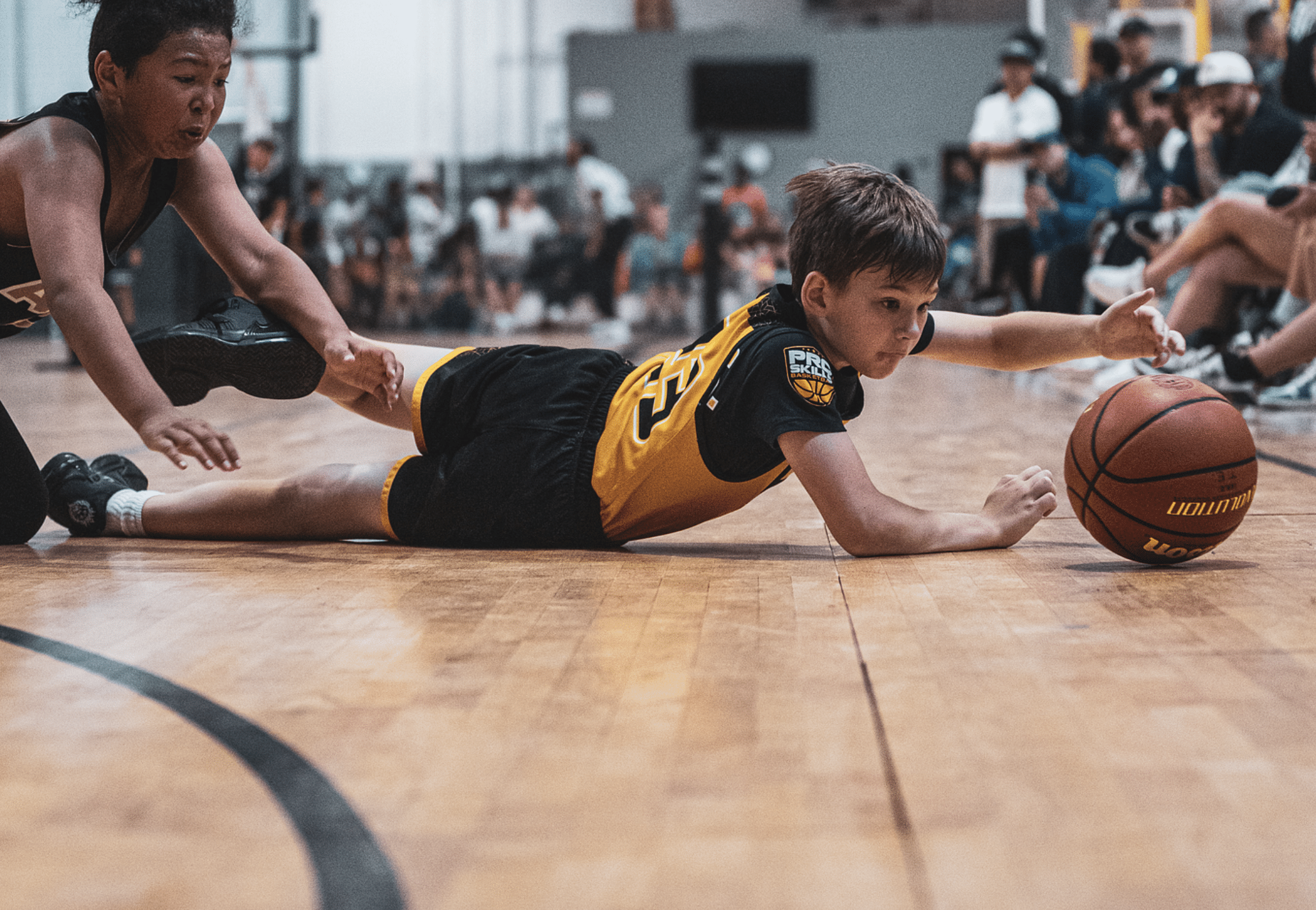
Coaches remember the players who dive for loose balls, take charges, box out on every rebound, set hard screens, talk on defense, and make the extra pass. A player who is not the leading scorer can still make a strong impression by being the hardest worker on the floor and letting effort do the talking.
4. Know your role and play to your strengths
Tryouts are short, and coaches do not have time to figure a player out. Your child should decide ahead of time what they do best and how it helps the team win, then lean into it. A strong rebounder dominates the glass. A pass-first guard makes smart reads. A defender locks up the best player. Tryouts are not the time to experiment with shots a player has not been practicing.
5. Be a team player with a positive attitude
Coaches watch body language constantly. Are teammates encouraged? Is the player coachable and humble? Does leadership show even without the ball? A strong attitude is often the deciding factor between two players with similar skill. Being positive does not mean being perfect; it means being the kind of teammate others want beside them when things get tense.
“Here’s how I’m going to beat you. I’m going to outwork you. That’s it. That’s all there is to it.”
— Pat Summitt, Hall of Fame coach, University of Tennessee
6. Communicate on the court
Talking is one of the simplest and fastest ways to get noticed. A player does not need a speech, just the basics: call out screens, yell “ball” on defense, clap and encourage, and direct traffic when running plays. Communication signals confidence and awareness, two things coaches want in their floor leaders and high-IQ role players. Even a shy player can challenge themselves to talk more than anyone else in drills.
How should a player handle mistakes and feedback?
7. Respond to mistakes with a “next play” mentality
Every player makes mistakes at tryouts. What matters is the response. Does the player sulk, blame others, or shut down? Or do they reset and focus on the next possession? Coaches look for athletes who handle adversity with poise. Bob McKillop, the longtime Davidson coach who developed Stephen Curry, built his program around a “next play” mentality, and it is a habit any young player can train.
8. Listen, learn, and apply feedback
Being coachable is more than nodding along. It means listening actively and adjusting quickly. Coaches notice who follows instructions the first time and who needs the same reminder repeatedly. When a coach offers a correction, your player should show that they understood it and can apply it on the very next rep.
What helps a player perform their best on tryout day?
9. Hustle from start to finish
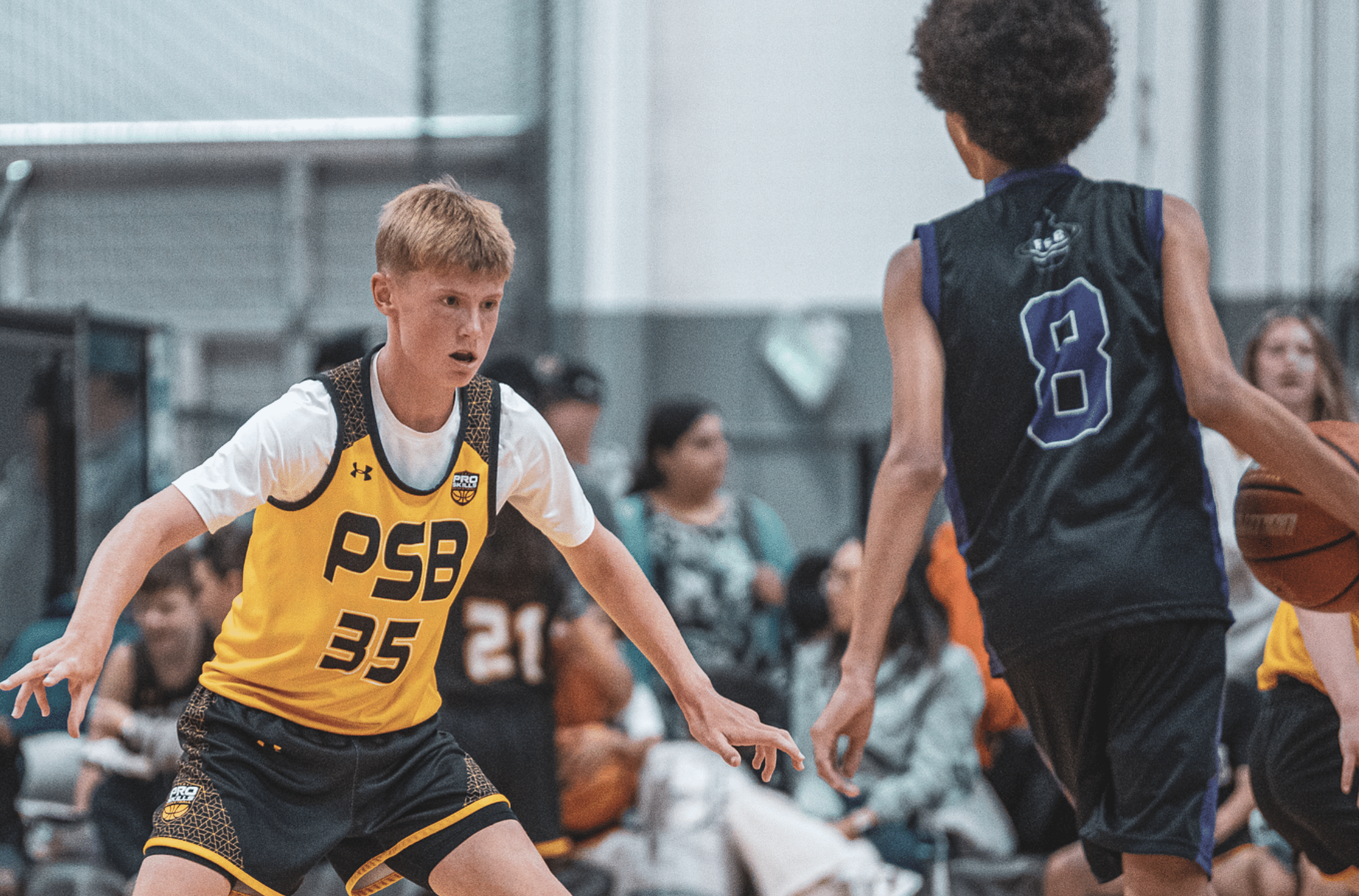
Effort is the one thing a player controls every second of tryouts. That means arriving early and warming up, competing at full speed in every drill, sprinting in lineups and transition, and being first to rotate in. A player who competes harder than everyone else gets noticed even when the stat line is modest. If you want to build that motor at home, our youth strength drills help develop the conditioning that hustle demands.
10. Stay healthy, mentally and physically
Tryouts are demanding, and you want your child showing up sharp rather than exhausted or anxious. A few habits help:
- Eat balanced meals with carbohydrates, fruit, and protein.
- Hydrate before, during, and after workouts.
- Get eight or more hours of sleep the week of tryouts.
- Avoid adding brand-new drills right before the big day.
- Take a few deep breaths and picture success the night before.
Mental preparation is easy to overlook. Visualization and steady breathing go a long way toward keeping nerves under control. For more on the routines that keep young athletes fueled, see our guide to daily nutrition habits for youth athletes.
How can parents support a player through tryouts?
You play a real role here, mostly by staying steady. The most helpful things you can do:
- Focus on effort and growth rather than the outcome alone.
- Help your child stick to their preparation routine.
- Encourage rest and healthy habits in the days leading up.
- Reinforce that making the team is not the only measure of success.
- Be the calm support system, win or lose.
Tryouts are one step in a long development journey. Keeping your athlete focused on progress instead of perfection serves them far beyond this season.
Frequently Asked Questions
How early should a player start training for basketball tryouts?
Ideally several weeks to a couple of months ahead. Consistent, focused training builds the conditioning and confidence that show up on tryout day. Cramming the week before tends to leave a player tired rather than sharp.
What do basketball coaches look for at tryouts?
Beyond skill, coaches watch effort, attitude, coachability, communication, and how a player responds to mistakes. Players who hustle, encourage teammates, and apply feedback quickly often stand out more than players who only score.
What should a player do if they get cut from the team?
Treat it as feedback, not a verdict. Ask the coach what to work on, keep training, and look for other ways to keep playing, such as a club team or development program. Many strong high school players were cut at some point and improved their way back on.
How many players actually make it to college basketball?
About 3.6% of boys who play high school basketball go on to compete at any NCAA division, and roughly 1.1% reach Division I, according to NCAA estimates for 2024-25. That is why building strong habits early, well before tryouts, gives a player the best long-term path.
How can a quiet or shy player stand out at tryouts?
Effort and communication are both learnable. A reserved player can commit to hustling on every possession and to making a handful of simple on-court calls, such as “screen left” or “ball.” Coaches notice the player who chooses to talk and compete even when it does not come naturally.
Sources

 How College Basketball Recruiting Really Works
 »
»