
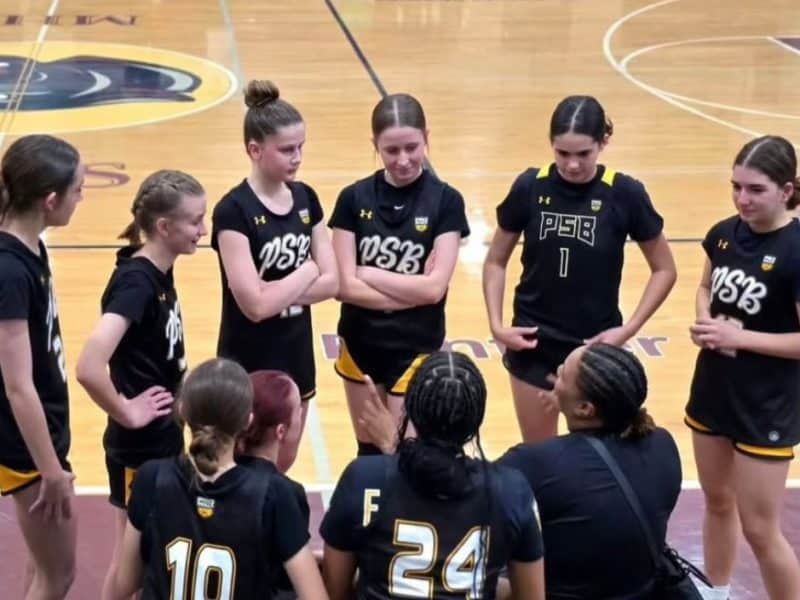
The WNBA Draft shows there is no single path to the top of the women’s game. Players arrive through different schools, countries, and roles. For families, the takeaway is patience over panic: only about 4.7% of high school girls go on to play in any NCAA division, so development and a love of the game matter far more than early rankings.
Last updated: June 2026
Key Takeaways
- There is no one path to the pros anymore. Draft classes mix homegrown stars, transfers, and international players, so your daughter does not have to check every box by 8th grade.
- Skill and substance beat rankings and hype. The players who last rebound, defend, and make good decisions long before they build a following.
- Adaptability is a real advantage. Switching teams, playing up an age group, or taking a new role builds the flexibility the next level rewards.
- Versatility and basketball IQ are in demand. Develop a basketball player who can think the game, not a fixed position.
- The club environment matters most. Strong development programs with real coaches and high standards do more than weekend exposure events.
The WNBA Draft is more than a night of dreams realized. Watch it as a parent or coach and it reads like a map of how the women’s game actually develops talent. The stories on that stage rarely match the tidy timeline families feel pressured to follow, where a player is supposed to be ranked, recruited, and going viral before high school.
The reality is calmer and more encouraging. The road from a first practice to the professional ranks is winding, and the players who travel it are usually the ones who kept growing instead of peaking early. Here is what that means for the young players in your home and on your club’s roster.
Is there one right path to college and pro basketball?
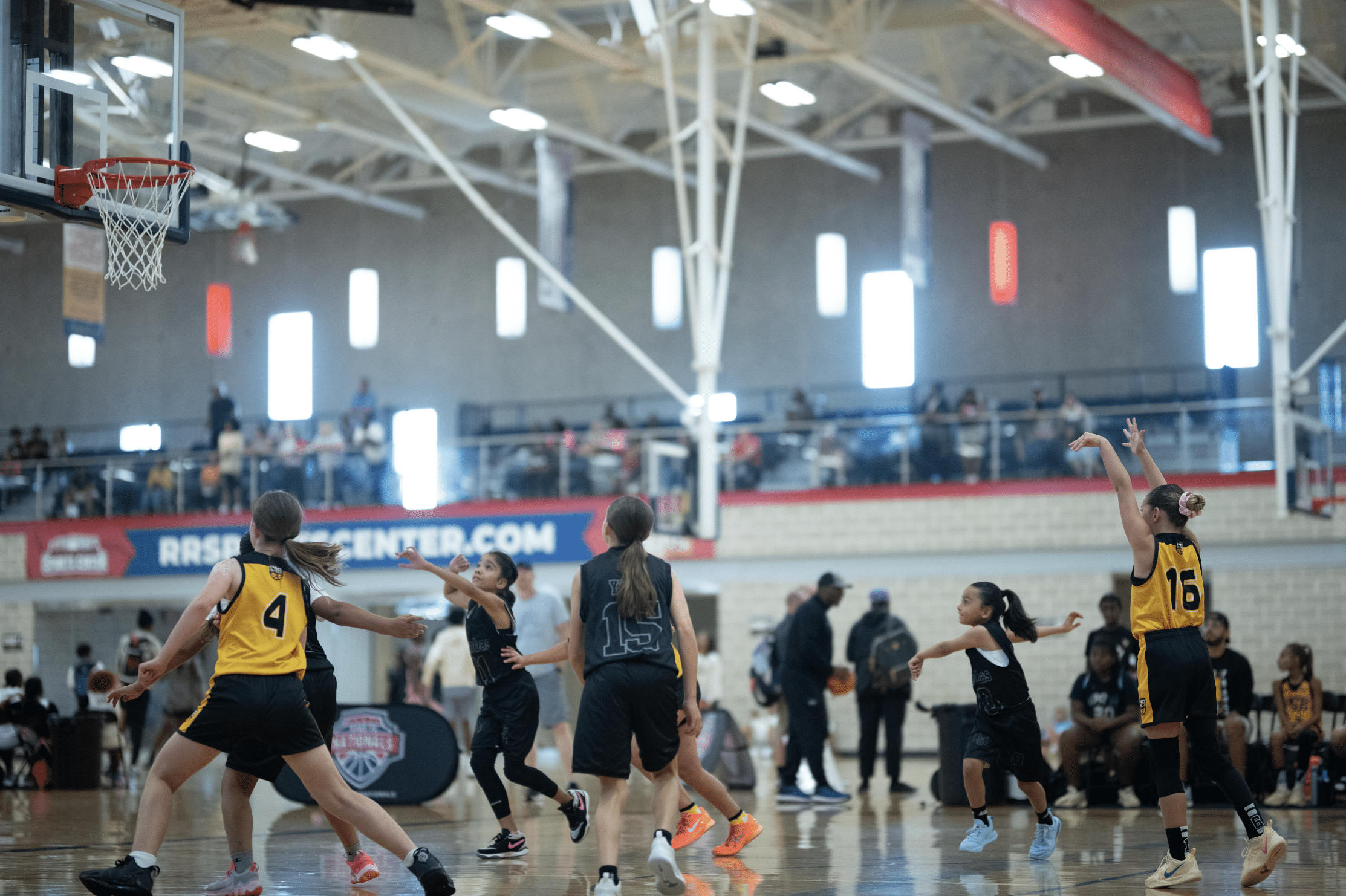
No. Recent draft classes have been a mix of journeys. You have homegrown stars who battled injuries and stayed at one school for years. You have international guards who came to the United States as teenagers. You have players who transferred once, twice, even three times before they found the right fit.
There is no blueprint, and that is good news. For your daughter, it means she does not have to have everything figured out by middle school. Her path is her own. For coaches, it is a reminder to zoom out. The goal is not to build the best 12-year-old in the gym. It is to build a player who is ready when her opportunity comes, whether that arrives in high school, college, or later.
That long view is the entire idea behind how PSB builds girls’ teams across the country. The focus is steady development that supports who a young player becomes, not early clout that fades by the time it actually counts.
Do rankings and hype matter more than skill?
Here is a truth the draft makes plain every year: plenty of the women who get picked were not viral stars or ranked number one in their class at 14. Many were quietly, consistently good. Some played behind older stars for a season or two, transferred, and then proved what they could do.
None of them built a brand before they built a game. That matters, because the pressure on the girls’ side to post the mixtape, chase the likes, and go viral is real. The game still finds the players who can rebound, defend, make decisions, and stay coachable. Those traits last long after a highlight clip stops circulating.
“I have loved every single minute, and still do, so gonna play my last year, just like this little girl played her first.”
— Sue Bird, 13-time WNBA All-Star, on her 2022 retirement (ESPN)
Bird won at every level for two decades, and what she pointed back to was the joy that started it all. Protecting that love of the game in a young player is not soft. It is what keeps her in the gym long enough to get good.
Why does adaptability help young basketball players?
Look at how many drafted players changed systems, roles, and expectations along the way. Some moved across the country. Some moved across the world. They learned to be comfortable being uncomfortable, and it served them when the stakes rose.
With the transfer portal, NIL, and global scouting, change is now a constant in this sport. The sooner a young player learns to adapt, the better prepared she is for whatever comes next. That can mean switching teams, playing up an age group, or taking on a role she did not ask for. Growth tends to live just outside the comfort zone, which is also a useful way to teach players to compete when things do not go their way.
What skills do college and pro coaches actually look for?
Gone are the days when a tall girl was automatically parked in the post. Now she had better be able to guard the perimeter and hit an elbow jumper. The players getting drafted tend to be the do-everything types who can handle, defend multiple spots, and read the floor.
At the youth level, that means developing basketball players, not just positions. A few ways to do that:
- Teach players how to read a defense instead of only running set plays.
- Let everyone bring the ball up, not just the designated guard.
- Use 2-on-2 and 3-on-3 settings where players have to make decisions on their own.
It is less about yelling “shoot” every possession and more about helping a player think the game. If you want a head start at home, simple at-home shooting work and ball-handling reps build the foundation that decision-making sits on top of.
How much does the club environment really matter?
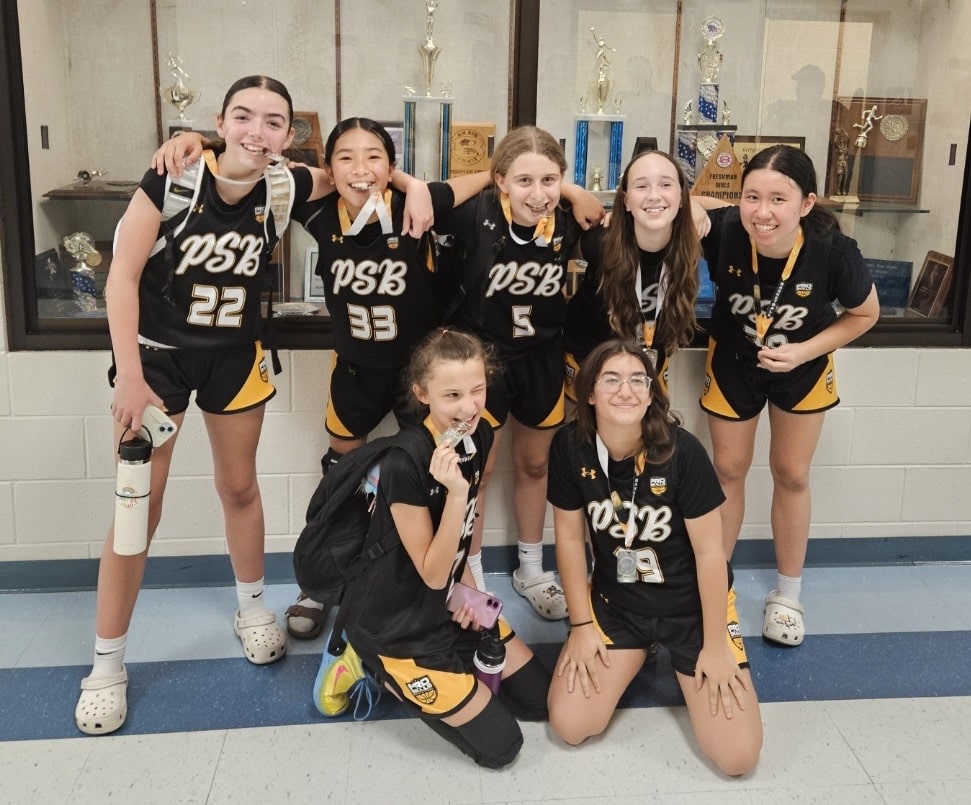
This is the part that matters most. The youth basketball world is loud. There are exposure events, rankings, and tournaments nearly every weekend, and it can feel like a player who is not “seen” is falling behind. The draft tells a steadier story. Many of these women came up through strong development programs rather than hype factories.
They had coaches who taught them how to lead. They had teammates who pushed them. They had environments where it was okay to make a mistake and learn from it. That is the kind of program worth looking for: fewer games and more practices, real coaches instead of whoever volunteered, and high standards paired with genuine support.
Here is a quick way to compare the two approaches families run into.
| Development-First Program | Hype-First Program |
|---|---|
| More practices, fewer games | Tournament every weekend |
| Trained coaches who teach skills and decisions | Whoever is available to run the bench |
| Players rotate roles and learn the whole game | Stars get the ball, everyone else watches |
| Measures growth over a season and a career | Measures the next ranking or highlight |
Strong female role models on the sideline make that environment real for girls, with coaches who care more about who a player becomes than what she produces on a single scoreboard. If you want to see how this looks where you live, you can explore PSB girls’ teams by city.
So what should parents take from the draft?
The draft is not just a feel-good night. It is a case study in raising the next generation of players. Do not rush the process. Build skills that translate. Prepare your daughter for change. Value intelligence, toughness, and leadership. And choose a club that puts development ahead of drama.
The honest math helps here. With only about 4.7% of high school girls reaching any NCAA division and roughly 1.4% reaching Division I, the smartest goal is not a scholarship by middle school. It is a young player who loves the game, keeps improving, and carries those lessons into the rest of her life. If a draft stage ever comes, it will be because the foundation was laid years earlier.
Frequently Asked Questions
What percentage of high school girls go on to play college basketball?
According to NCAA 2024-25 data, about 4.7% of high school girls’ basketball players compete at any NCAA division, and roughly 1.4% reach Division I. The odds make development and enjoyment more sensible goals than chasing an early offer.
At what age should a girl specialize in basketball?
There is no single right age, and most development experts caution against early single-sport specialization. The draft shows players arrive through many timelines, so building broad athleticism and skill matters more than locking in early. Focus on steady growth and protecting her love of the game.
Are rankings important for young basketball players?
Early rankings rarely predict who plays at the next level. Many drafted players were not top-ranked at 14. Coaches value rebounding, defense, decision-making, and coachability far more, and those traits keep developing well past middle school.
What should I look for in a youth basketball club for my daughter?
Look for more practices than games, trained coaches who teach skills and basketball IQ, players who rotate roles, and an environment with high standards and real support. Strong female role models on staff are a meaningful bonus for girls.
How can my daughter get more playing time and improve?
Consistent skill work and a coachable attitude move the needle most. Help her put in reps on shooting and ball-handling, learn to read the game in small-sided play, and stay ready when her role changes. See our guide on how to earn more playing time.
Sources

 Your Complete Guide to AAU Basketball Shoe Circuits (2026)
 »
»