
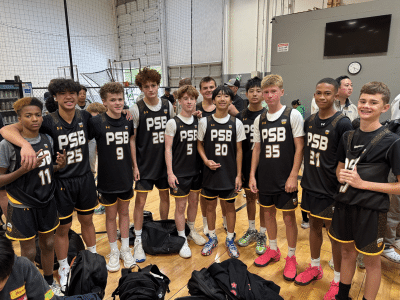
To keep a young player from burning out, protect rest and fun as seriously as practice. The American Academy of Pediatrics recommends one to two days off per week and two to three months a year away from a single sport. Watch for fading enthusiasm, build in real downtime, and keep training matched to your child’s age.
Last updated: June 2026
Key Takeaways
- Roughly 70% of young athletes step away from organized sports by age 13, and lost enjoyment is one of the most common reasons.
- The AAP advises one to two days off each week and two to three months away from a specific sport every year.
- Early warning signs are usually quiet: less excitement for practice, lingering soreness, and flatter effort.
- Play-based training and a second sport keep the game fresh while still building skill.
- The environment matters. Look for coaches who develop players rather than chase wins at any cost.
Youth basketball is supposed to be the highlight of a child’s week. For a lot of families, it still is. But somewhere between early specialization, packed tournament weekends, and the quiet pressure to always perform, the game can start to feel like a job. When that happens, the energy drains out of it, and so does the reason your child started playing in the first place.
Burnout is not a character flaw or a sign your child is not tough enough. It is a predictable response to too much of one thing with too little recovery. The good news: it is largely preventable, and the fixes are simpler than most parents expect.

Why does burnout happen in youth basketball?
Burnout builds up when training load outpaces recovery, both physically and mentally. A player who practices several times a week, plays multiple games every weekend, and never truly steps away does not get the rest their body and mind need to bounce back. Over time, the soreness lingers, the motivation dips, and the game stops feeling like play.
Early specialization makes this more likely. The American Academy of Pediatrics found that young athletes who play a variety of sports tend to have fewer injuries and stay active longer than those who focus on one sport before puberty. Locking a child into year-round basketball before their body and interests have matured raises the odds of both overuse injury and the slow fade of enthusiasm.
The stakes are real. Research cited in the AAP’s 2024 clinical report shows that roughly 70% of young athletes drop out of organized sports by age 13, and a loss of enjoyment is one of the leading reasons they walk away. Protecting fun is not a soft goal. It is what keeps a player in the game.
What are the early signs your player is burning out?
Burnout rarely shows up as a dramatic blowup. It is usually gradual and easy to miss if you are not watching for it. A few patterns to notice:
- Less excitement about going to practice, or looking for reasons to skip
- Frequent complaints about fatigue or soreness that do not match the workload
- Performance slipping even though effort seems steady
- Frustration or emotional outbursts after games that used to roll off
- A growing flatness toward basketball in general
If two or three of these sound familiar, treat it as useful information rather than a problem to push through. It is a signal to rebalance, not to demand more. Often a short reset is enough to bring the spark back. For more on protecting your child’s relationship with the game, our piece on bringing fun back to youth sports is a good companion read.
How much rest does a young basketball player actually need?
This is where guesswork gets families into trouble, so it helps to lean on the medical consensus. The American Academy of Pediatrics recommends that young athletes take at least one to two days off per week from competition and sport-specific training, plus two to three months a year away from any single sport. That time off is not lost development. It is when the body repairs, the mind resets, and the love of the game gets a chance to recharge.
Here is how the two common approaches compare over a year:
| Approach | Year-Round Single Sport | Balanced With Rest |
|---|---|---|
| Days off per week | Often zero | One to two (AAP) |
| Months away per year | None | Two to three (AAP) |
| Overuse injury risk | Higher | Lower |
| Long-term enjoyment | At risk | Protected |
Rest weeks are also a natural time to cross-train. Swimming, biking, or a different team sport builds athleticism while giving the basketball-specific muscles and joints a break. If you want a deeper look at staying healthy, our guide on preventing youth sports injuries covers the practical side.
“Play because it’s fun, and not to become a pro. If your goal is to become pro, the best way to realize that is by loving what you do.”
— Steve Nash, two-time NBA MVP and Hall of Famer
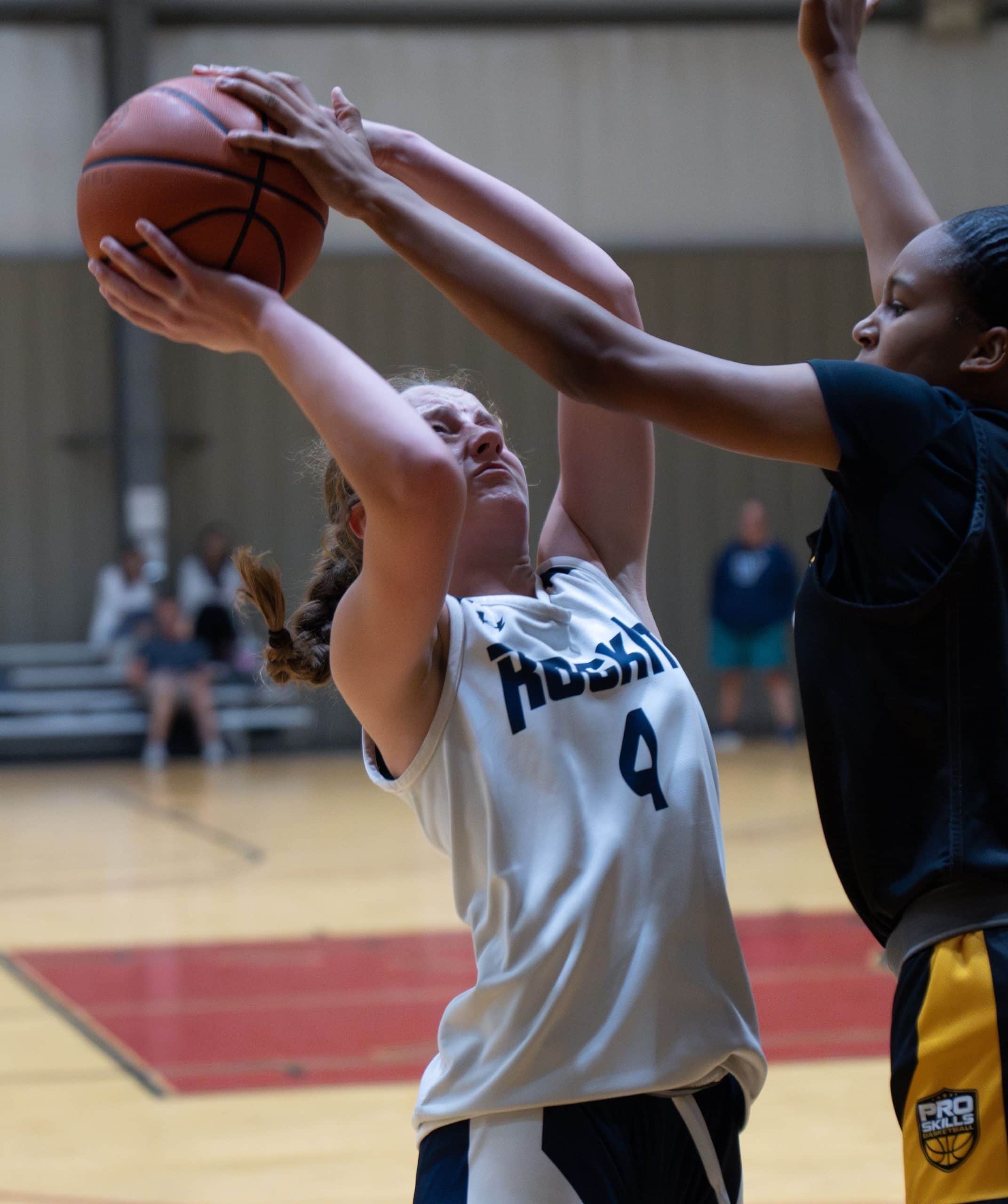
How can you keep basketball fun and prevent burnout?
Preventing burnout is mostly about a few habits practiced consistently. None of them require a sports science degree.
Match training to your child’s age and stage
Young players grow most when they are working on fundamentals like dribbling, passing, footwork, and decision-making at a level that fits them. Piling on advanced sets, nonstop scrimmages, or three games in a weekend tends to produce fatigue, not growth. Keep practices simple, engaging, and scaled to where your child is physically and emotionally. Done with intention, thirty to sixty minutes is plenty.
Make skill work feel like play
Some of the best development happens when training does not feel like training. Small-sided games keep players moving and smiling while still sharpening real skills. A few that work well:
- Dribble knockout
- Basketball tag
- One-on-one with a twist, like weak-hand only
- Shooting relays
- Passing races and partner drills
These reinforce spacing, timing, and ball control without the grind that wears players down.
Balance summer basketball with real downtime
Summer is prime time for the game, and camps, open gyms, and skill work all have value. The trap is overbooking. Leave room for vacations, friends, and full days off the court. The goal is consistency over the long haul, not constant intensity in one season. If you are weighing options, our overview of summer youth basketball camps can help you pick a setup that fits without overloading the calendar.
Keep the joy in plain sight
Driveway shooting, a game of HORSE, pickup with friends, or watching an NBA or WNBA game together all reconnect a player with why they fell for basketball. Encourage other interests too. A child who bikes, swims, or plays a second sport often comes back to the court hungrier, not behind.
What does a healthy training environment look like?
Whether your child trains solo, with a coach, or on a team, the environment shapes how they feel about the game. The strongest settings share a few traits:
- Coaches who teach and develop, not just chase wins
- A focus on player growth over constant exposure and rankings
- Age-appropriate expectations
- Praise for effort, not only outcomes
- Flexibility that allows rest and recovery
It is less about landing on the most prestigious team and more about finding a place that puts your child’s confidence and growth first. The right environment is one reason so many families point to the broader benefits basketball brings to child development, on and off the court.
Frequently Asked Questions
How do I know if my child is burned out or just having a rough stretch?
A rough week passes. Burnout tends to linger. If the lost enthusiasm, fatigue, and flat effort stretch across several weeks rather than a single bad practice or game, treat it as burnout and build in a real break before deciding anything bigger.
Should my young player specialize in basketball year-round?
For most children, no. The American Academy of Pediatrics found that multisport athletes tend to have fewer injuries and stay active longer than those who specialize before puberty. Playing a second sport in the off-season usually helps rather than hurts.
Will taking time off set my child back?
Rest is part of development, not a pause from it. The AAP recommends two to three months a year away from a single sport precisely because recovery is when the body and mind reset. Players almost always return fresher and more motivated.
What if my child wants to quit basketball entirely?
Start with a conversation, not a decision. Ask what changed and listen for whether the issue is the sport itself or the load and pressure around it. A schedule reset, a new team, or a season off often restores the interest. If your child still wants to move on, supporting that choice protects their long-term relationship with being active.
How many games per weekend is too many for a young player?
There is no single magic number, but quality touches matter more than volume. When a player is logging multiple games every weekend with no rest days during the week, fatigue and frustration usually follow. Prioritize development and recovery over a packed schedule.
Sources

 Balancing Basketball, Rest, and Fun Before Tryouts