A good summer basketball camp helps a young player improve faster, stay active, and enjoy the game away from league pressure. It matters more than ever: U.S. youth sports participation climbed to 58% in 2024, and summer is when most families look for structured ways to keep their child playing.
Last updated: June 2026
Key Takeaways
- Camps let players work on skills without the pressure of standings, stats, or game-day stakes.
- A week of camp exposes a player to several coaches and a range of teaching styles in a short window.
- Good camps are physically demanding by design, which is exactly how real improvement happens.
- New teammates and new competition stretch a player and often turn into lasting friendships.
- When you choose a camp, look at the coach-to-player ratio, the daily structure, and whether the focus is development or just supervision.
Summer is camp season, and for a lot of families it is the one stretch of the year when a young player can focus on getting better without a packed game schedule. At Pro Skills Basketball we have run summer camps for more than a decade across our PSB cities, and the question parents ask most is simple: is a week of camp actually worth it? Below are five honest reasons it is, plus what to look for so you pick the right one.
Why are summer basketball camps good for young players?
Camp gives a player concentrated reps, new coaching, and a fun environment all in the same week. During the school season, practice time is split between teaching, scrimmaging, and preparing for the next game. Summer camp strips that down to the part that builds players: focused work on skills, repeated daily, with enough variety to keep a child engaged. Here are the five benefits we see in our gyms every summer.
1. Camps put the fun back in the game
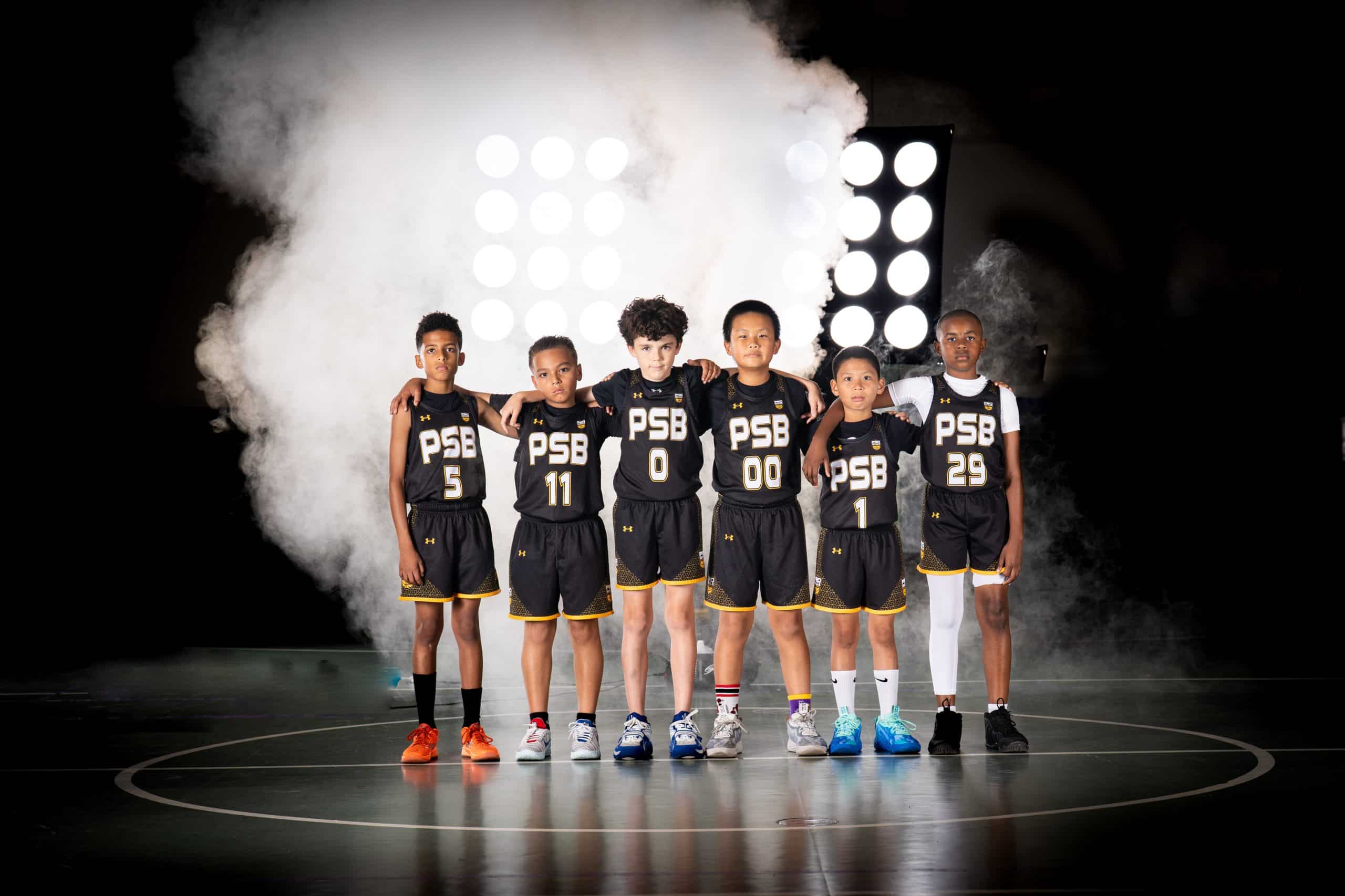
Most children who walk into our camps leave having had a genuinely good time, and that is by design. The goal of every camp we run is the same: get better while enjoying the game.
During the season, players carry the weight of standings, stat lines, loud gyms, and adults shouting from the bleachers. Camp removes all of that. With a mix of free play, skill drills, small-sided games, and competitions, players get back to the simple pleasure of learning and playing basketball. A child who is having fun pays attention longer and absorbs more, which is why the fun is not a side benefit. It is what makes the improvement stick.
2. Players learn from several coaches in one week
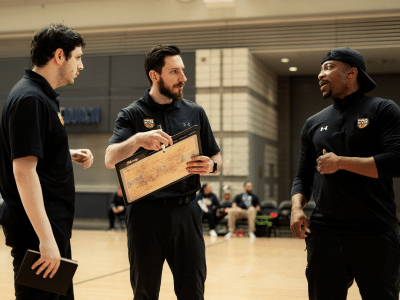
There are a lot of good basketball coaches out there, and a camp puts a player in front of several of them at once. Some of the best teaching a player will ever get comes from a coach they see for a single week and never again.
That variety matters. A player who only ever hears one voice tends to plateau. A new coach explains a footwork cue a different way, introduces a ball-handling drill the player has never tried, or spots a habit the regular coach stopped noticing months ago. To get better, a player should learn from as many good teachers as possible, and camp is one of the few settings built to deliver that in a short, focused stretch. If your player also competes on the club circuit, our guide to AAU basketball covers how camp work and team play fit together.
How hard should a basketball camp actually be?
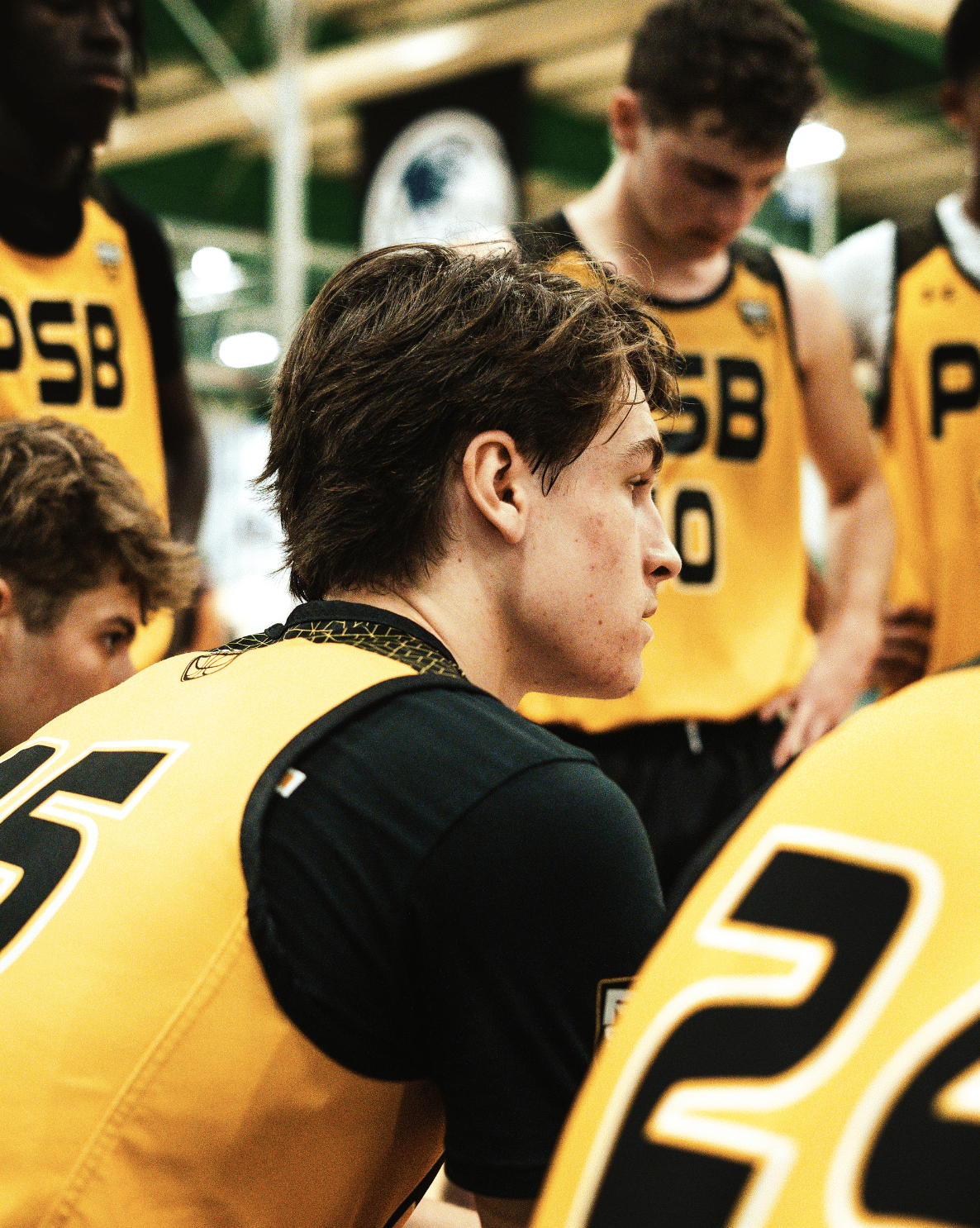
Hard enough that your player feels it the next morning. One of our favorite things to do on day two is ask the room, “Who is sore today?” The groans and the raised hands are a good sign. Players improve when they are challenged, and a week of running, jumping, and defensive sliding is demanding work.
If a player shows up on day two feeling fresh, the camp was not active enough. The job of a good camp is to find the line where the work is genuinely hard but still fun and clearly tied to getting better. That balance is the whole point. If your player is sore after a tough day, here is a recovery session from our YouTube channel that helps.
[embedyt] https://www.youtube.com/watch?v=3RcmBRchRhg[/embedyt]
“Talent is never enough. With few exceptions the best players are the hardest workers.”
— Magic Johnson
3. The work is the point
That soreness is the body responding to real effort, and effort is what separates players over time. Camp is a controlled place to push a child past their comfort zone, with coaches watching to keep the work safe and productive. A player who learns in the summer that improvement requires hard work carries that lesson into every season that follows. If staying healthy through a heavy summer is a concern, our piece on preventing youth sports injuries is worth a read before camp starts.
4. New teammates and new competition
It is hard to count how many friendships have started at our camps. Players meet others from different schools, teams, and leagues. Some walk in as strangers and by day two are planning sleepovers and talking about playing together the next season.
Camp is also a chance to compete against unfamiliar players. Going up against someone from another team or league shows a young player how many good players are out there, and that usually lights a fire. It is one thing to be the best on your team. It is another to test yourself against players you have never seen, and that experience tends to raise a child’s standard for their own game.
5. The gear is a nice bonus
This is the least important benefit and we will say so plainly, but it is still fun. Plenty of adults still have the camp shirts they collected growing up. Every Pro Skills Basketball summer camper receives a free t-shirt just for attending, on top of the gear and prizes players can win through games and competitions. Walking out of a strong week with new apparel is a small reward that players genuinely enjoy.
How do you choose the right summer basketball camp?
Not every camp delivers the same value, so a little homework pays off. Use the comparison below to tell a development-focused camp apart from one that is mostly supervised gym time.
| What to check | A development-focused camp | A supervision-only camp |
|---|---|---|
| Coach-to-player ratio | Low, so every player gets feedback | High, with one or two adults watching a large group |
| Daily structure | Clear plan of drills, skill work, and games | Mostly open gym and free play |
| Skill focus | Fundamentals taught and corrected daily | Little individual instruction |
| Effort level | Demanding but fun, players leave tired | Low intensity, easy to coast |
This summer we are running camps in Charlotte (NC), Denver (CO), the DMV (DC, Maryland, Virginia), Houston (TX), Nashville (TN), Philadelphia (PA), Raleigh (NC), and Richmond (VA). You can see dates and details for every program on our camps page.
Frequently Asked Questions
What age should a child start basketball camp?
Most players are ready for a structured camp around ages 6 to 8, when they can follow instructions and stay engaged in group activity. Good camps group players by age and skill so a younger or newer player is never thrown in with much older ones.
How much improvement can a player expect from one week?
One week will not transform a player, but it can sharpen specific skills, fix a few habits, and give a child a clear sense of what to practice next. The biggest gains come from stacking a camp with regular work the rest of the summer.
What should my child bring to basketball camp?
Basketball shoes, athletic clothes, a labeled water bottle, and a healthy snack cover the basics. Many camps provide a ball and a shirt, but check the confirmation details for your specific camp.
Is a summer camp better than a private trainer?
They serve different purposes. A private trainer gives one-on-one focus, while a camp adds competition, new coaching voices, and the social side of the game. Many families use both across a summer.
How do I keep my player improving after camp ends?
Short, consistent solo workouts hold the gains. Our at-home shooting workouts give players simple routines they can run in a driveway or local gym between camps.
Sources
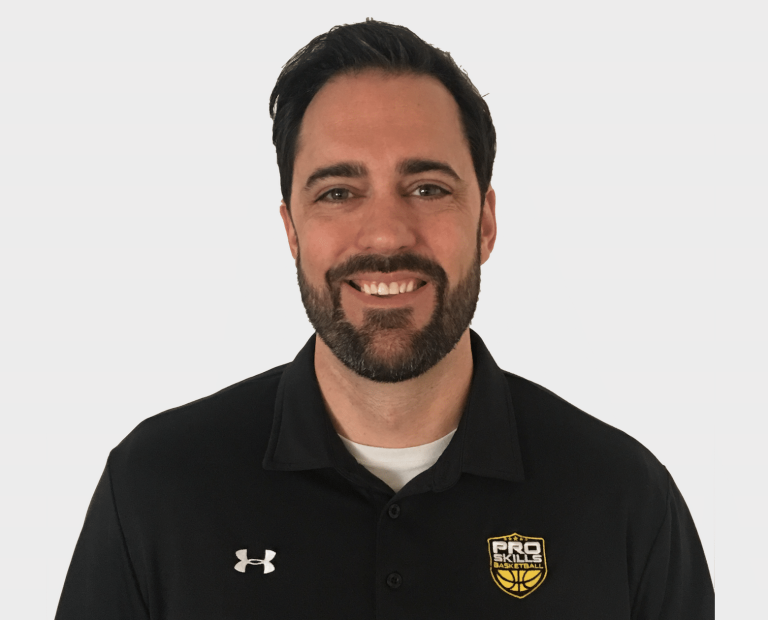
By Logan Kosmalski, Co-Founder and CEO
Logan co-founded Pro Skills Basketball in 2009 and is its CEO. He played at Baylor and Davidson, where he was a two-year captain, then played pro basketball in France, Poland, Germany and Sweden.

 5 Benefits of a Basketball Recruiting Profile