

AAU basketball gives young players stronger competition, real teamwork, and college exposure that school ball often cannot match. The payoff depends on the program. Only about 3.6% of high school boys players reach any NCAA division, so development and life skills matter far more than chasing wins.
Last updated: June 2026
I am Brendan Winters, co-founder of Pro Skills Basketball and a former pro player. I have coached AAU teams for years and now help run them through our PSB Club Teams. I have written honestly about the problems inside AAU basketball, but I remain a strong supporter. When a team is led by experienced coaches, built around skill development instead of short-term wins, and committed to families for the long haul, AAU becomes one of the best tools a young player has.
Key Takeaways
- AAU basketball exposes players to stronger, more varied competition than most school or recreation leagues.
- Playing time is earned, which teaches accountability and effort that carry into school and work.
- Losing games, tough calls, and travel build genuine resilience and grit.
- Mixed rosters teach teamwork, adaptability, and how to get along with new people.
- College exposure is real but applies to high school players only, not middle schoolers.
What does AAU basketball actually do for a young player?
AAU basketball is club basketball that runs outside the school season, usually in spring and summer. Teams travel to tournaments and play several games over a weekend. The format packs in far more reps against far more opponents than a school schedule allows, which is exactly why it can accelerate a player’s growth when the program is run well.
The benefits below are the ones I see hold up season after season. None of them depend on a trophy. They depend on the people running the team.
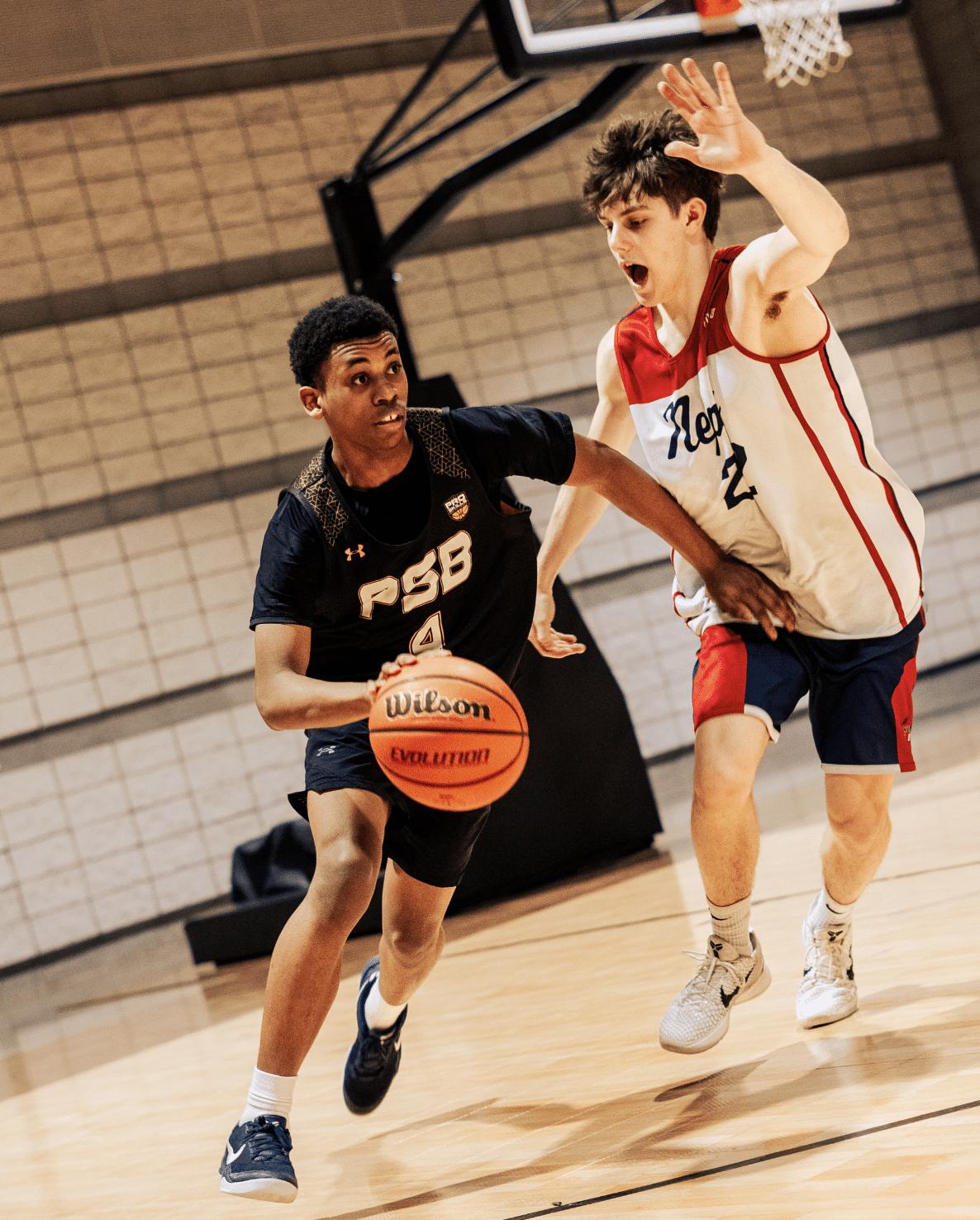
How does AAU basketball improve a player’s game?
Stronger, more varied competition
The clearest benefit is the chance to play against motivated, skilled players from other cities, states, and regions. Practice and drills build the foundation, but nothing replaces live game reps against opponents who are trying to beat you. That pressure is where real growth happens.
There are different tiers of talent in AAU, and that is a feature, not a flaw. A good program places a player at a level that challenges them without overwhelming them. Whether it is a local event or a national tournament, competitive reps are what move a player forward. If your child wants to keep climbing, our guides on the best drills for youth players pair well with a full AAU schedule.
Playing time is earned
Unlike recreation leagues where everyone gets equal minutes and a trophy, AAU introduces a merit-based environment. Want more minutes? More shots? You put in the work. That is a real life lesson. In school, in jobs, and in adulthood, rewards are earned rather than handed out.
Done right, this is not about cutting players or coaching harshly. It is about setting clear expectations, teaching accountability, and showing young athletes how to compete the right way. Effort is the currency, and that lesson sticks.
What life skills does AAU basketball build?
Resilience and grit
AAU is not easy, and that is the point. Your child will lose games, miss shots, face better players, sit through bad calls, and feel travel fatigue. Inside every one of those moments is a chance to learn how to respond to adversity. Players who stay with it through the hard stretches build grit when things get tough, the ability to bounce back after a rough game, and the mental toughness to keep showing up. Those lessons reach far past the court.
Teamwork and adaptability
AAU rosters usually pull players from different schools and neighborhoods, so your child learns to fit in and contribute in a brand-new environment. They have to put the team first, accept feedback from coaches, and get along with personalities they did not choose. Because minutes are earned, players figure out that defending, communicating, and making the right pass earn just as much trust as scoring. Those collaboration skills translate directly into the classroom and, later, the workplace. The research backs this up: an Aspen Institute Project Play analysis found team sports outperform individual sports on personal and social skill development.
| Factor | Recreation League | Well-Run AAU |
|---|---|---|
| Competition level | Local, mixed ability | Regional and national, matched to level |
| Playing time | Usually equal | Earned through effort and role |
| Game volume | One game per week | Several games per tournament weekend |
| College exposure | None | Real for high school players in live periods |
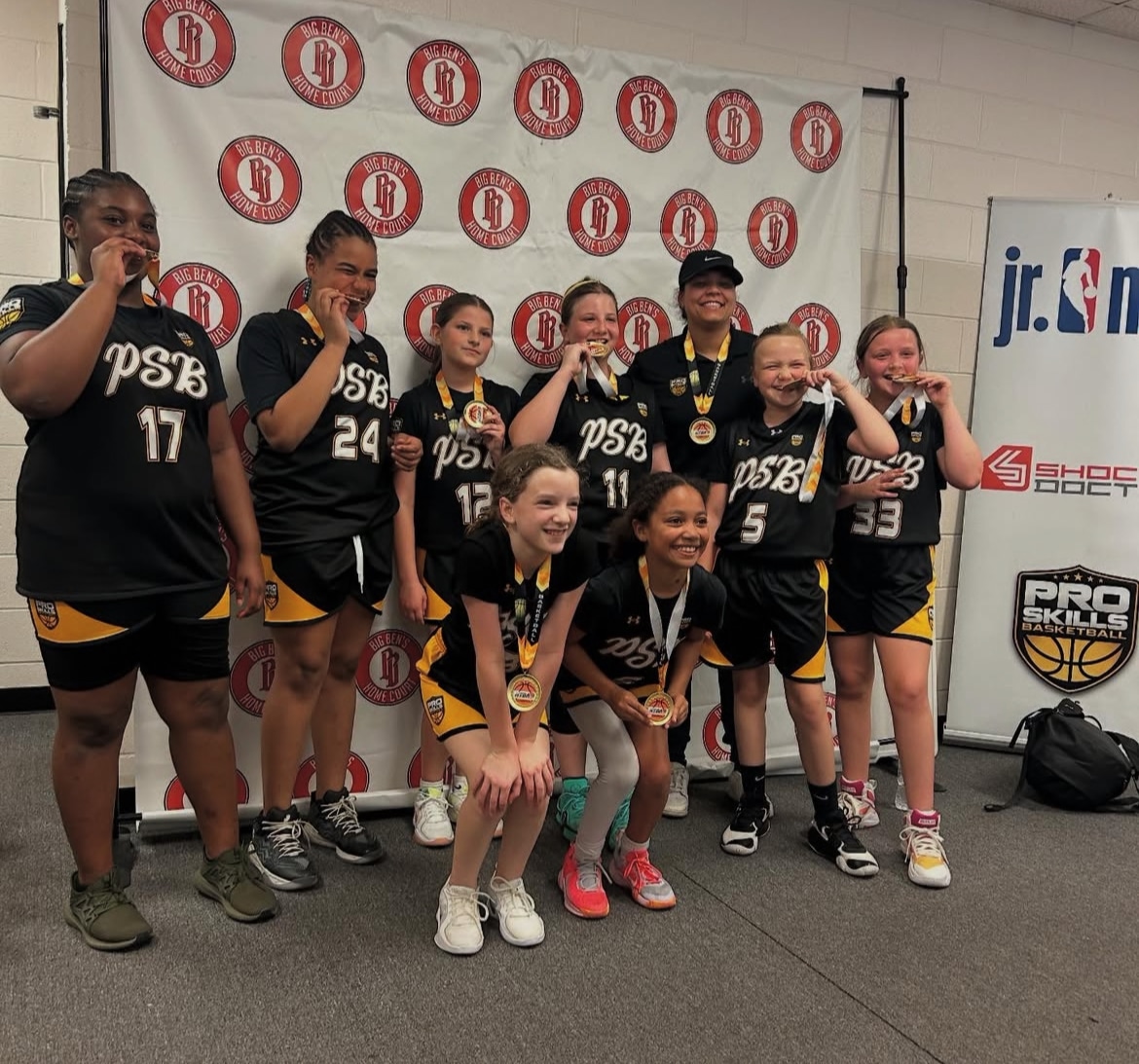
Is AAU basketball still supposed to be fun?
Yes, and this gets lost too often. Basketball is a game. Plenty of adults in youth sports get so wrapped up in winning and recruiting that they forget that. When AAU is run right, with good coaches, supportive parents, and a developmental focus, it is genuinely fun. Players build friendships, see new places, and make memories that last.
Some of my best childhood memories come from AAU trips, teammates, and the hotel pool hangs between games. That enjoyment is a powerful reason players keep coming back and keep improving.
“Character might not get you a scholarship, but a lack of it will definitely prevent one.”
— Paul Biancardi, ESPN National Director of Recruiting
Does AAU basketball really help with college recruiting?
For high school players serious about college basketball, AAU offers a real platform for exposure. Thanks to NCAA live periods, there are specific weekends each year when college coaches can attend events and evaluate prospects. During those three- to five-day windows, it is common to have dozens or even hundreds of coaches in the gym, watching and recruiting.
One honest caveat: this applies to high school players only. College coaches are not evaluating middle schoolers, and recruiting generally starts around 10th grade. Just as important, exposure is worthless without something worth seeing. The numbers explain why development comes first: only about 3.6% of high school boys players reach any NCAA division, and roughly 1.1% reach Division I. If your family is mapping the path, start with our overview of the college basketball recruiting process.
Frequently Asked Questions
At what age should a player start AAU basketball?
Many programs begin around third or fourth grade, but earlier is not automatically better. What matters is the coaching and the focus on development. A young player who loves the game and wants more reps against good competition is ready when a quality, well-run program is available.
Is AAU basketball worth the cost for most families?
It can be, if the program is built on real development and good coaching rather than chasing trophies. The lasting value is in the skills, competition, and life lessons, not the medals. Ask any program how it develops players and how it treats families before you commit.
Does my child need AAU to play college basketball?
It helps for high school players because of the exposure during NCAA live periods, but it is not a guarantee. With only about 1.1% of high school boys players reaching Division I, the priority at every age should be steady skill development. Exposure only matters once a player has something worth showing.
What should parents look for in an AAU program?
Look for experienced, positive coaches, a focus on skill development over short-term wins, clear expectations about playing time, and a culture that still keeps the game fun. A program committed to the long-term growth of players and families is worth far more than one that just wins weekends.
Sources

 10 Best Youth Basketball Strength Drills (2026 Guide)