
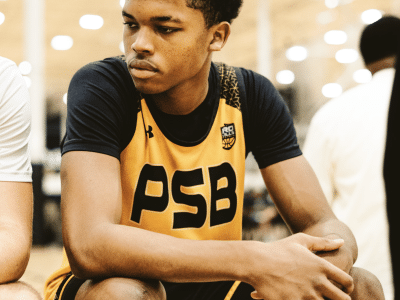
Basketball players develop on different timelines. Skill, size, mindset, and game experience rarely arrive at the same age, so a player who looks behind at 14 can pass peers by 17. With only about 3.6% of high school boys reaching any NCAA level, patience and steady work matter more than early rankings.
Last updated: June 2026
Key Takeaways
- Development is uneven by design. Skill, physical growth, mindset, and experience mature at separate rates for every player.
- Early rankings predict very little. Many NBA standouts were unranked or barely recruited out of high school.
- The numbers reward the long view: about 3.6% of high school boys reach an NCAA roster, and roughly 1.1% reach Division I.
- Late physical maturity is normal. A player still growing into their body often needs more time, not a different goal.
- Your job as a parent is to protect effort and enjoyment, not to manage a timeline against other families.
Rankings, highlight reels, and early success dominate a lot of youth basketball conversations. Behind that noise sits a plainer truth: every player develops at their own pace. Skill, physical growth, mindset, and game experience do not arrive together, and a player who trails at one age often catches and passes peers later. That is not a setback. It is how development actually works.
For parents, this changes the questions worth asking. Instead of “Is my child ahead or behind right now?” the better question is “Is my child still improving, still competing, and still enjoying the game?” Those are the things that compound over years.
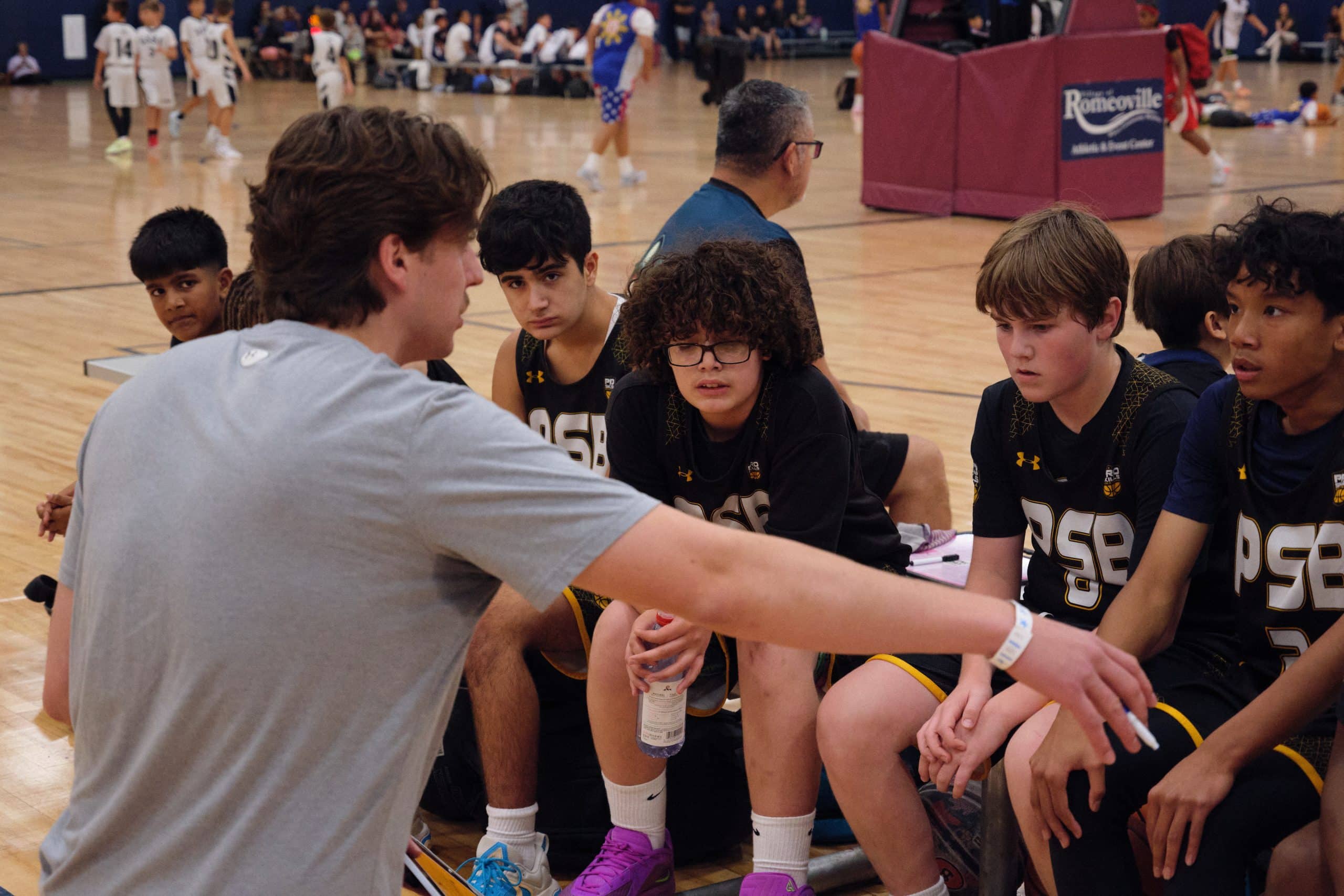
Why is basketball development not a straight line?
Four parts of a player grow on separate clocks, and they almost never line up neatly.
Skill
Skill is built through repetition and feedback over years. Some players sharpen their shot or handle early; others need the right coach, the right environment, or simply more reps before it clicks. A player who looks raw at 13 can be polished at 16 because the work finally stacked up. If you want a head start at home, our guide to improving ball handling gives players something concrete to repeat.
Physical growth
Height, strength, speed, and coordination follow their own schedule. A player can be among the smallest in the gym at 14 and one of the tallest by 17. Late physical maturity is common and does not mean a player is behind in basketball terms. It usually means the body is still catching up to the work the player is already putting in.
Mindset
Confidence and composure are forged through repeated exposure to pressure, including losses. A player often matures emotionally on a different timeline than peers, and that is normal. Learning to handle setbacks is part of the training, not separate from it, which is why we talk so much about learning from losing.
Experience
Game experience is earned minute by minute. Sometimes a single opening in the rotation, one strong stretch, or one coach who sees something changes a player’s trajectory. You cannot rush experience, but you can make sure your child keeps showing up to earn it.
Do early rankings predict who makes it?
Not reliably. Some of the most accomplished players in the NBA were overlooked at the ages when many families start worrying about rankings.
Jimmy Butler was not ranked in the top 100 of his high school class. He spent time without stable housing, started his college career at a junior college, and earned his way to Marquette. He became a multiple-time NBA All-Star known for his work ethic.
Stephen Curry was barely recruited out of high school. Major Division I programs passed on him over his slight frame and shooting form. He proved himself at Davidson and kept refining his game into one of the best shooting careers the sport has seen.
Kawhi Leonard drew little recruiting attention and played at San Diego State, away from the spotlight. His steady, deliberate growth turned him into a two-time NBA Finals MVP.
The pattern is not that rankings are meaningless. It is that they capture one moment, not a trajectory. A player’s path is their own, and early labels rarely define where it ends.
“It’s not a failure. It’s steps to success. There’s no failure in sports. There’s good days, bad days.”
— Giannis Antetokounmpo
What do the numbers say about realistic goals?
Knowing the odds helps parents keep perspective and keep the focus on growth. According to the NCAA, about 3.6% of high school boys basketball players go on to compete at an NCAA school across Divisions I, II, and III. Roughly 1.1% reach Division I.
| Level | Approx. share of HS boys players | What it means for a family |
|---|---|---|
| Any NCAA division | ~3.6% | College basketball is reachable but selective; a long development runway helps. |
| NCAA Division I | ~1.1% | The narrowest tier; chasing it at age 12 puts pressure in the wrong place. |
| Lifelong benefit from the sport | Available to all | Discipline, fitness, and teamwork pay off regardless of how far play continues. |
These figures are not meant to discourage. They argue for patience. A player with a 1.1% target at Division I gains nothing from being rushed at 12 and a great deal from steady improvement over a decade. If college is the goal, our overview of the college basketball recruiting process lays out the steps that actually matter later on.
How can parents support a player on a slower timeline?
The most useful thing a parent can do is protect two things: effort and enjoyment. Both predict whether a player keeps developing long enough for their pace to pay off.
Keep the game fun
Research from the Aspen Institute’s Project Play finds the average child plays a given sport for less than three years and quits around age 11. Most often, this happens because it stopped being fun.
A player who quits at 11 never gets to find out what their body and skills would have looked like at 16. Keeping the game enjoyable is a development strategy, not a soft one. We cover this directly in bringing fun back to youth sports.
Avoid forcing early specialization
For most sports, there is no strong evidence that intense, single-sport training before puberty is necessary to reach an elite level. Early specialization also carries higher injury and burnout risk. Letting a younger player stay broad and athletic often serves their basketball development better than narrowing too soon.
Reward the work, not just the outcome
Praise the reps, the defensive effort, and the response to a tough game. Outcomes swing with matchups and growth spurts; habits are what a player controls and what carries them through the years when their timeline is still catching up.
Put them in a developmental environment
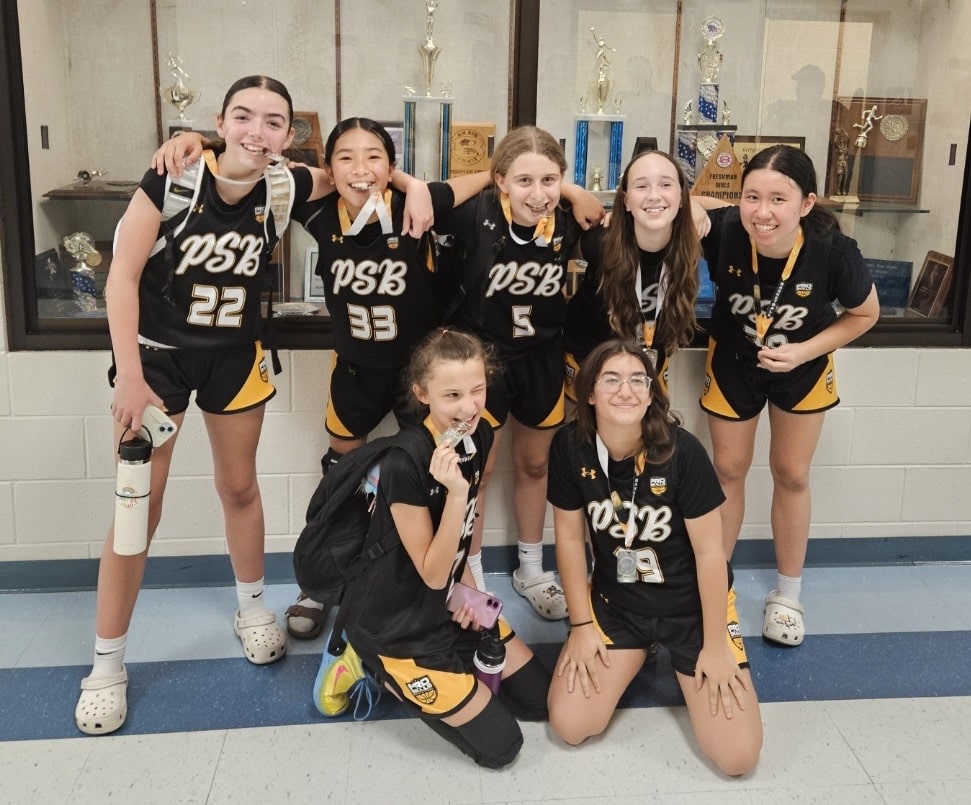
A good program meets a player where they are and builds from there, rather than sorting players by who looks best today. That is the model behind PSB teams and clinics, where the aim is steady growth over a full season and beyond.
Frequently Asked Questions
My child seems behind their teammates. Should I be worried?
Not on its own. Players develop skill, size, and confidence on different schedules, and a player who trails at 13 can pass peers by 16, especially through a growth spurt. Focus on whether they are still improving and still enjoying the game rather than where they rank against teammates right now.
Does my child need to specialize in basketball early to keep up?
Generally no. For most sports there is little evidence that intense early specialization is required to reach a high level, and it raises the risk of injury and burnout. Many players benefit from staying multi-sport and athletic before narrowing their focus in their teens.
How likely is it that my child plays college basketball?
The NCAA estimates about 3.6% of high school boys basketball players reach an NCAA roster across all divisions, and roughly 1.1% reach Division I. Those odds reward long-term, patient development far more than early rankings.
What should I focus on instead of rankings?
Effort, habits, and enjoyment. Players who keep working and keep wanting to play stay in the game long enough for their own timeline to pay off. Rankings capture one moment; trajectory is what matters.
When do most players quit, and why?
Project Play data shows the average child plays a given sport for under three years and often steps away around age 11, usually because it stopped being fun. Keeping the experience positive is one of the most reliable ways to keep development on track.
Sources

By Brendan Winters, Co-Founder and Chief Growth Officer
Brendan co-founded Pro Skills Basketball in 2009 and is its Chief Growth Officer. At Davidson College he was a two-time All-American and Southern Conference Player of the Year. He then played five pro seasons in France, Germany, Hungary and Greece.

 Why Man-to-Man Defense Is Best for Youth Players